





Saving money on high-quality gear makes every trail more enjoyable. Many hikers feel the sting of retail prices when prepping for a big trip. Finding deals allows you to spend more on the actual travel experience. You can go further and stay longer when your wallet is not empty.
Smart shopping turns a tight budget into a pro setup. You can find ways to trim costs without sacrificing the safety of your outdoor equipment. This guide explores how to build a kit for less. You will learn to identify value without compromising on the performance you need for the wilderness.
Backpacking Hacks: How to Save on Pro Travel Gear
Time Your Purchases For Maximum Savings
Buying at the right time is the most effective way to lower your total spending. Seasoned hikers wait for specific windows to upgrade their worn-out items. They know that stores refresh inventory on a predictable schedule. You can save hundreds of dollars just by being patient with your purchases.
Planning your shopping schedule helps you avoid paying full retail price for every item. If you are looking for coupons during the off-season, you might find significant markdowns on premium brands. This strategy requires patience but pays off when you see the final checkout price. Many stores offer deep discounts to clear out last year’s models before the new lines arrive.
Backpacking Hacks: How to Save on Pro Travel Gear
Secure Deals During Major Shopping Holidays
Shopping during specific times of the year can lead to massive savings on high-end gear. Some months offer better opportunities for discounts than others. You should plan your major purchases around these established sales cycles. Many companies use these periods to attract new customers with aggressive pricing.
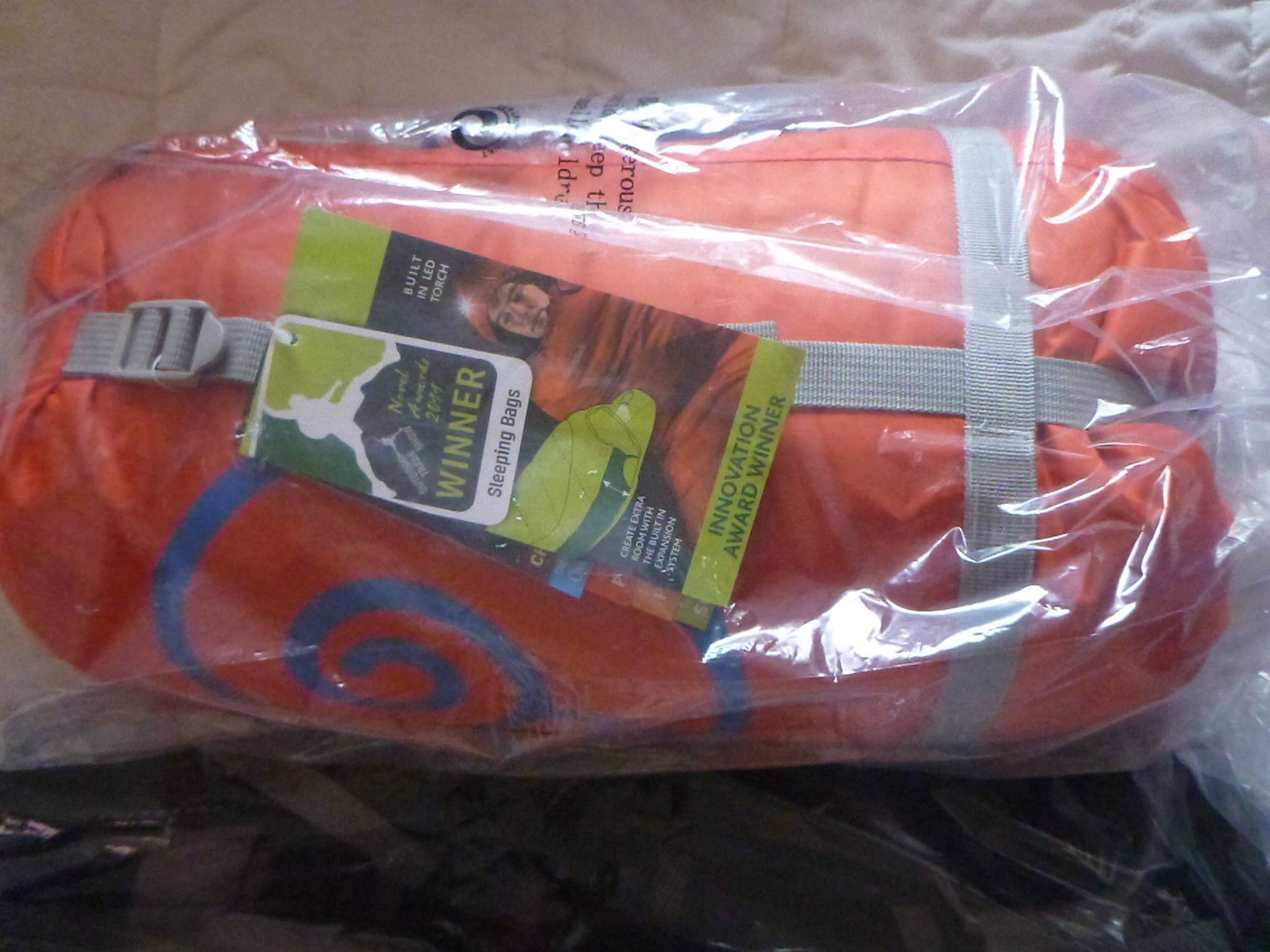
Waiting for these windows allows you to purchase professional-grade equipment that might otherwise be out of reach. You can secure a high-quality tent or a warm sleeping bag for a fraction of the cost. Persistence is the key to finding these limited-time offers. You should sign up for newsletters to get early alerts on these seasonal events.
Prioritize Budget-Friendly Performance Apparel
You do not have to spend $500 on a single waterproof shell to stay dry. High-performance options exist at a fraction of the cost of luxury mountaineering labels. Choosing functional pieces over brand names keeps your costs manageable. You can stay comfortable in harsh conditions without a massive price tag.
Finding reliable rain protection is easier when you focus on technical specs rather than marketing. Some top-rated hard shells are available for as little as $100, according to a hiking gear guide. These jackets provide the same level of safety as more expensive alternatives. You can spend the remaining money on other necessary supplies for your trek.

Backpacking Hacks: How to Save on Pro Travel Gear
Invest in Multi-Functional Lightweight Gear
Reducing the weight of your pack often leads to higher costs for specialized materials. Choosing items that serve more than one purpose can help offset those expenses. It is better to carry one versatile tool than three heavy ones. Such efficiency lowers the total number of items you need to buy.
Small kits can handle multiple camp chores while keeping your total weight low. A popular clean-up kit weighs only 7.6 ounces and fits inside a standard coffee mug, according to a camping blog.
Carrying less weight reduces the physical strain on your body during long treks. You save money by needing fewer specialized recovery tools or expensive physical therapy later. Lighter gear makes for a much happier hiking experience. You will find that simplicity is often the most cost-effective path for gear selection.
Analyze Your Total Kit Investment Early
Professional hikers often spend thousands of dollars to build their ideal gear list. Knowing the average costs helps you set realistic expectations for your own budget. You should treat your gear as a long-term investment rather than a one-time purchase.
A market research report noted that dedicated long-distance hikers might spend anywhere from $1,500-$4,000 on a complete ultralight setup. These costs cover everything from footwear to shelter and cooking equipment. Understanding these figures allows you to prioritize which items need the most investment.
Planning your purchases over several years prevents a massive one-time hit to your bank account. You can upgrade individual pieces as your skills and needs evolve.
- Quality down sleeping bags
- Ultralight technical tents
- Reliable titanium cooking stoves
Track Industry Trends To Shop Smart
The market for camping equipment is huge and constantly changing. Knowing which items are the most popular helps you identify where the best deals might be located. Companies often compete fiercely in the most popular categories.
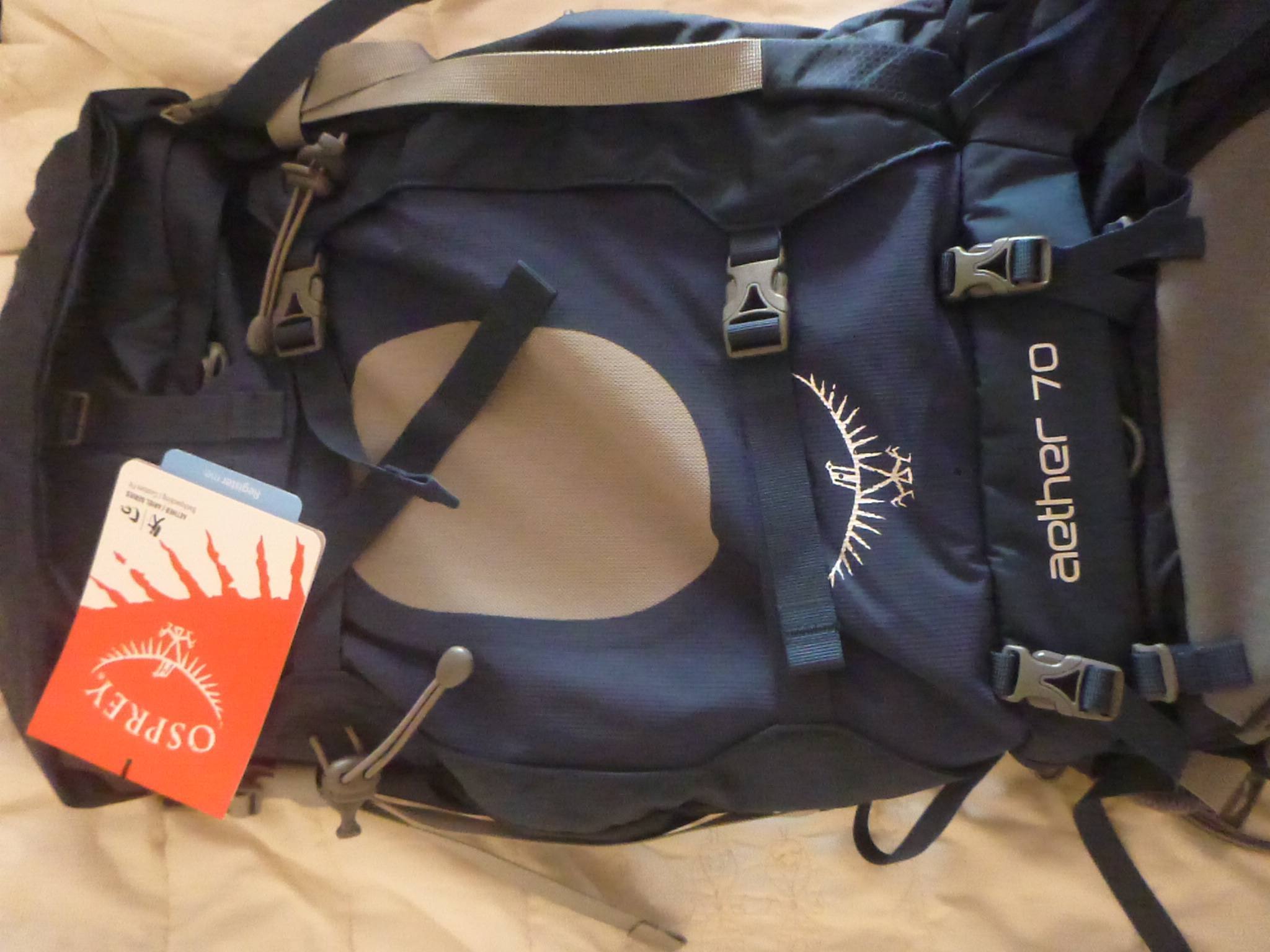
One business analysis predicted that backpacks would represent over 25% of the total market share by 2026. The gathered data helps consumers understand which products drive the most competition among retailers. High competition usually results in more frequent sales for shoppers. You can find better deals on packs since so many brands are fighting for your attention.
A recent gear review mentioned certain fastpacking models offer 28 liters of space for around $165. These designs provide enough room for minimalist trips without the bulk of traditional packs. Choosing these specialized items gives you pro performance without the pro price tag. You should look for brands that focus on specific niches to find the best value.
Preparing for a backpacking trip is an investment in your future memories. Smart choices today lead to more comfortable miles on the trail tomorrow. You can explore further when you have the right equipment. Proper gear gives you the confidence to tackle more challenging routes.
Focus on finding value and timing your purchases to get the most for your money. Your gear should support your passion for the outdoors without draining your finances. Enjoy the planning process as much as the trip. The effort you spend on research will pay off with every step you take in the wild.