





Backpacking across unknown terrain brings incredible thrills, but an unexpected accident can quickly derail any adventure. Whether you trip on cobblestone streets or get hit in traffic, knowing how to handle injuries on the road is critical. Swift action protects your health and keeps your travel funds intact.
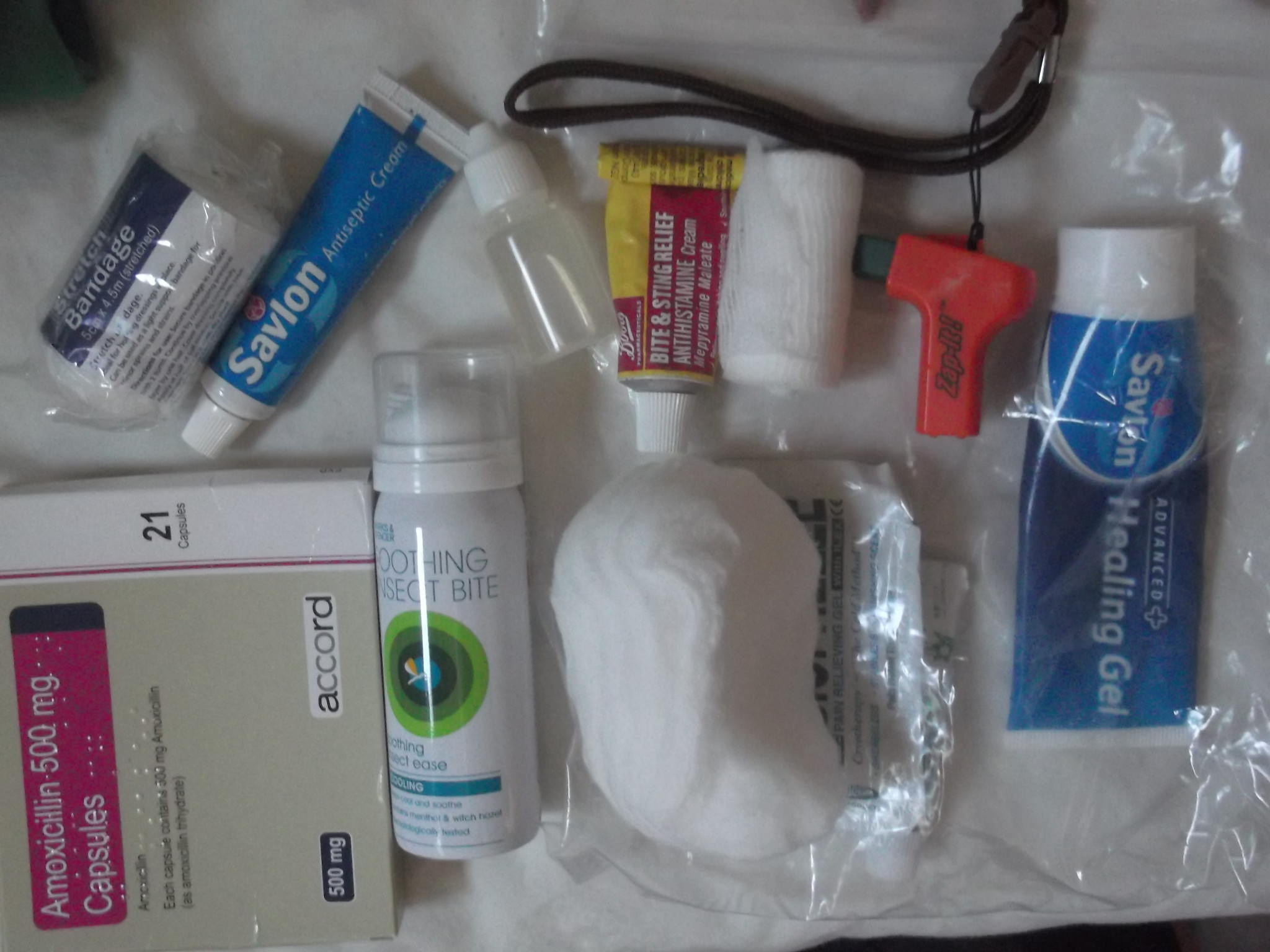
What To Do If You Suffer an Injury While Traveling
Navigating Legal Steps Following a Regional Collision
Travelers driving through southwest Ohio or exploring downtown streets might run into reckless drivers near busy intersections. Consulting the Moore Law Firm in Cincinnati allows injured visitors to understand regional personal injury laws and pursue fair financial recovery. Professional attorneys guide out-of-state victims through local claims so they can focus on healing.
Navigating legal systems in unfamiliar states creates extra stress when medical bills start piling up rapidly. Experienced legal teams negotiate directly with insurance adjusters who try offering low settlements to vulnerable travelers. Securing legal counsel guarantees that traffic camera footage and police reports are gathered before evidence vanishes. Local representation helps travelers overcome jurisdictional challenges when returning home after an accident.
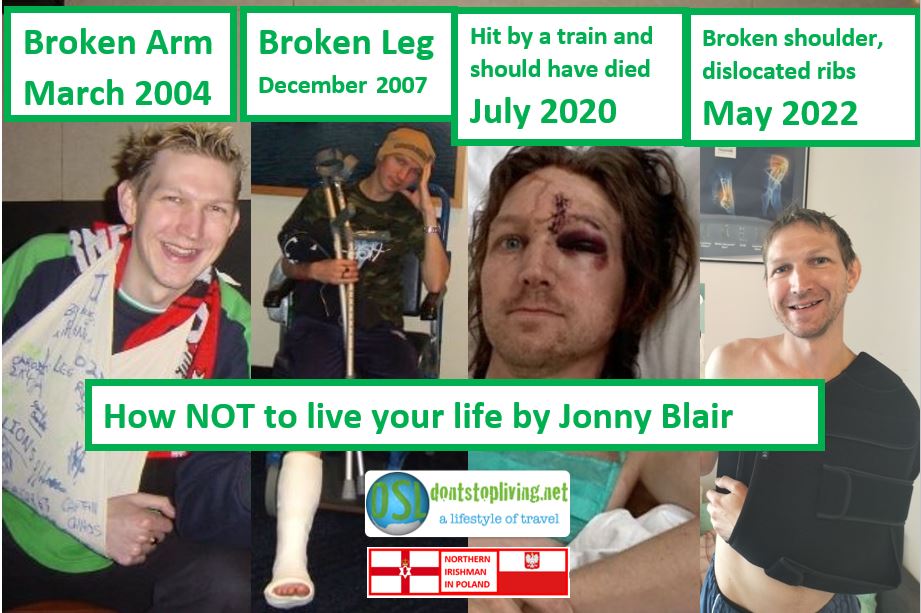
Backpacking Nowhere: Another Injury, Staying At Home Again
Seeking Appropriate Medical Treatment Fast
Knowing where to go for treatment prevents unnecessary stress during an unexpected health crisis on the road. Minor scrapes and mild illnesses do not always require busy hospital trauma units. A post from MedHelp Clinics notes that urgent care providers at a destination treat non-emergency conditions with lower costs and shorter waiting times than emergency rooms.
When severe trauma strikes, dialing local emergency services remains the top priority for immediate care. An emergency guide on Worldwide Walkies mentions that emergency phone calls cost nothing on mobile phones, with instant access from front screens without unlocking.
Here are the primary steps to take immediately following a physical mishap on the road:
- Call local emergency response numbers or ask local bystanders for assistance immediately.
- Seek immediate evaluation at a medical facility to establish official injury records.
- Request comprehensive written medical reports translated into your native language.
- Contact your travel insurance provider within 24 hours of receiving initial medical care.
Gathering Critical Evidence at the Scene
Documenting an incident immediately creates strong evidence for insurance adjustments or legal claims later. Guidance from Grownup Travel Guide recommends taking immediate photographs of physical injuries and the scene of the crash before leaving. Capturing road hazards, vehicle license plates, and weather conditions provides clear proof.
Collecting contact information from independent witnesses helps verify factual details with claims adjusters. Saving every single medical receipt, police report, and transport ticket ensures full reimbursement for out-of-pocket expenses. Writing down detailed personal notes as memories remain fresh prevents crucial facts from slipping away.
Store digital photos securely in cloud storage to protect medical records against lost or stolen phones. Comprehensive evidence gathered at the scene forms the backbone of any subsequent legal or insurance claim.
Scheduling Pre-Departure Health Consultations
Smart preparation reduces health hazards long before packing a backpack or booking long-distance transit. Pre-travel medical evaluations allow doctors to assess personal health backgrounds alongside planned activities, trip duration, and specific itineraries.
Getting necessary vaccinations and stocking custom medical kits protects solo wanderers in remote regions. Carrying organized medical records in digital formats makes emergency check-ins far easier for international doctors. Discussing preexisting conditions with a physician helps travelers stock adequate prescription supplies for long journeys.
Preparing health paperwork before departure prevents unnecessary medical delays when crossing international borders. Travelers should research reputable medical centers along their route to identify safe facilities before arriving.
Securing Supplemental Travel Coverage
Standard domestic health plans rarely cover overseas medical care, leaving travelers vulnerable to massive hospital bills. Advice from the CDC Yellow Book states that travel health insurance acts as a short-term supplemental policy covering healthcare costs incurred when traveling abroad. Data from STEPS Rehabilitation highlights that suffering a severe injury overseas can easily run into thousands of dollars.
Backpackers planning high-risk outdoor activities need extra riders for extreme sports or helicopter evacuations. Reviewing policy exclusions prevents sudden financial surprises during emergency medical evacuations. Carrying physical insurance cards alongside emergency phone numbers speeds up hospital admission processes.
Understanding exact policy deductibles allows travelers to budget for out-of-pocket medical expenses ahead of time. Digital copies of insurance policies should remain accessible offline on mobile devices.
Managing Work-Related Injuries on the Road
Business travel brings distinct legal protections compared to standard leisure backpacking trips. A legal update on For The People explains that business travelers injured during work travel can typically claim workers’ compensation and lost income.
Informing your employer in writing immediately after an accident helps preserve all available employee benefits. Keeping copies of work itineraries proves that travel activities are directly aligned with professional job duties. Recent transport figures from ITTN revealed that the global all-accident rate reached 1.32 per million flights, showing that transit accidents happen even on routine business trips.
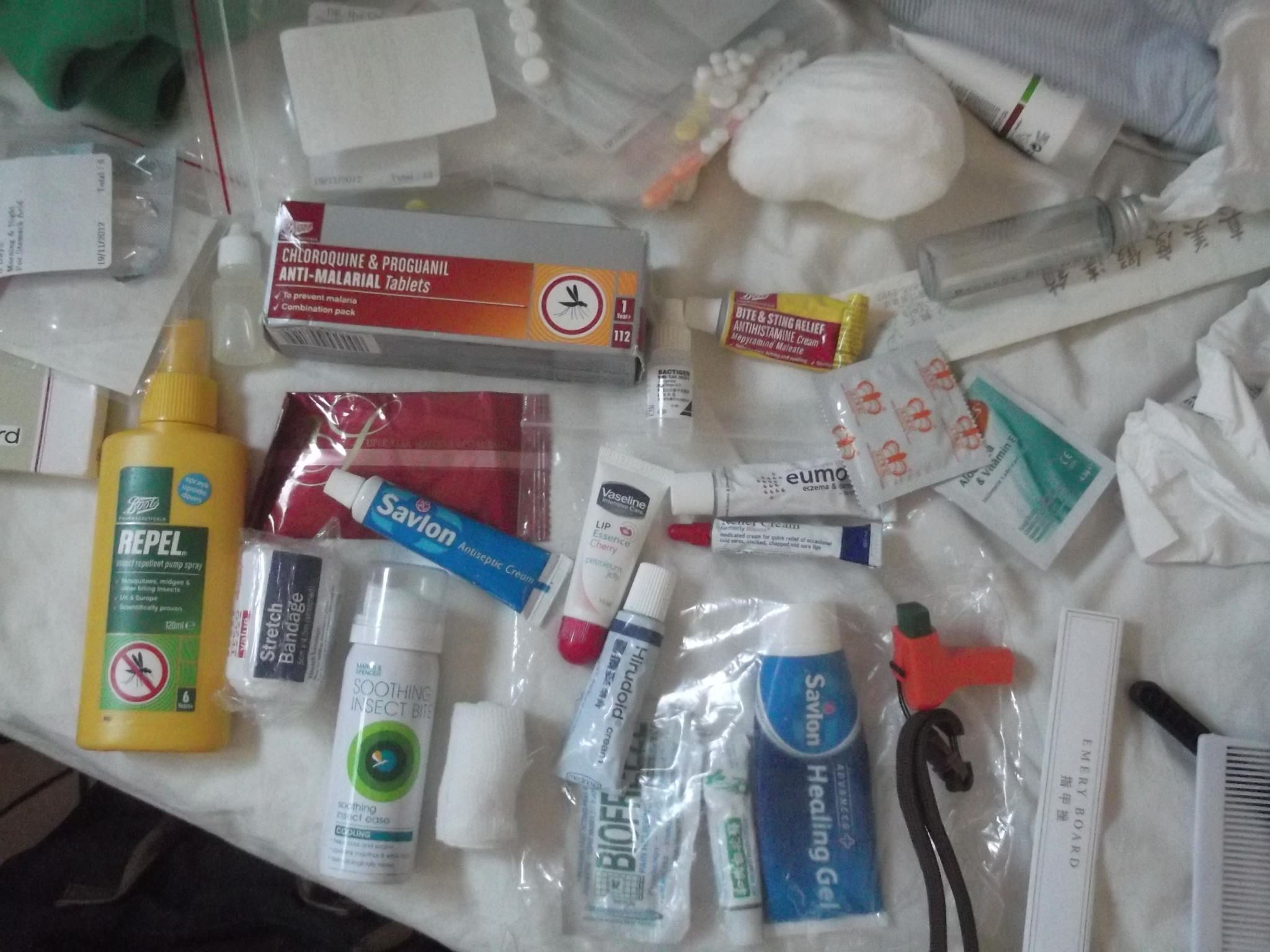
Tuesday’s Travel Essentials: A First Aid kit – but what do you put in it?
Facing an unexpected injury as you explore the world feels overwhelming, but structured action keeps you safe. Prioritizing medical care, gathering documentation, and securing legal support protects your well-being and future travels. Stay informed, travel prepared, and keep exploring with total confidence.