





The e-liquid’s gone, and now you’re staring at a device with nowhere obvious to send it. Most people just throw it in the trash without a second thought, but rechargeable vapes don’t belong there. They contain lithium-ion batteries, residual nicotine, and trace heavy metals that can leach into soil and groundwater once they hit a landfill. Disposal laws in many U.S. states now classify these devices alongside other electronic waste, which means tossing one in a household bin could technically put you on the wrong side of local regulations. So before yours goes in the trash, it’s worth knowing the right disposal channel and why it actually matters.
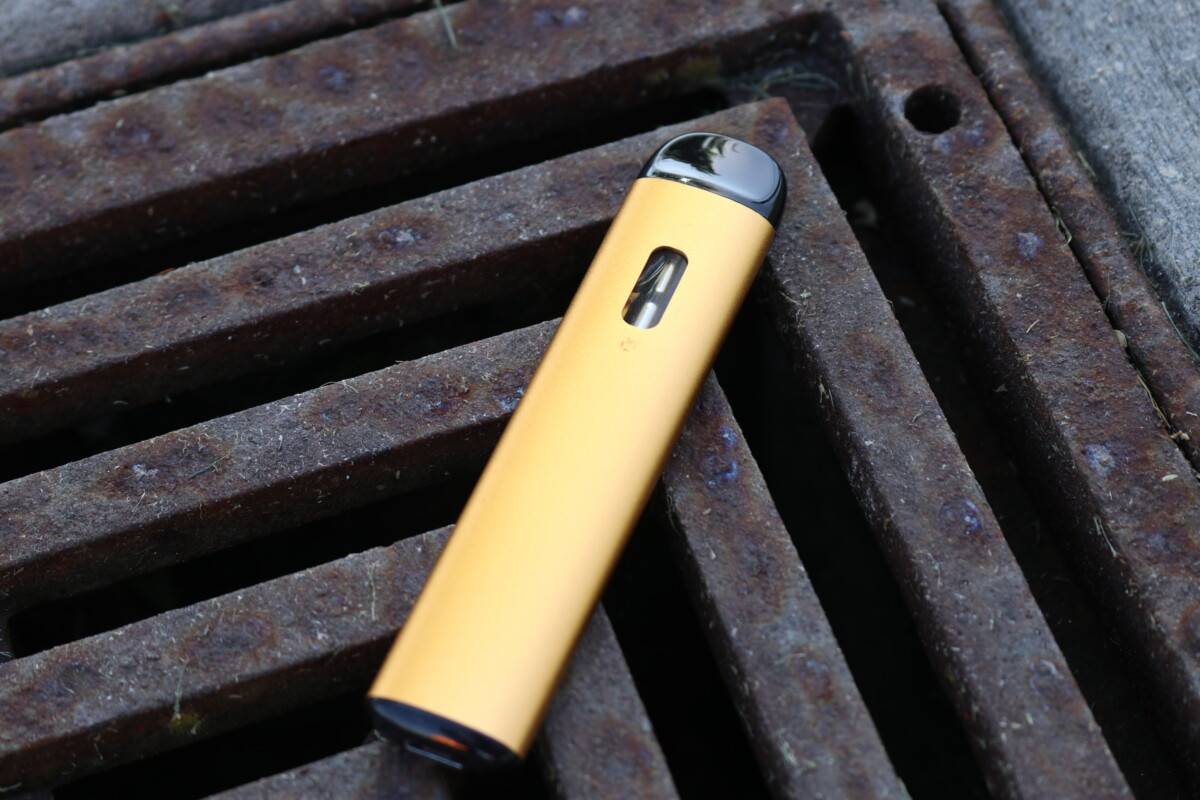
Where to Dispose Rechargeable Vapes After E-Liquid is Finished?
Why These Devices Qualify as Electronic Waste
Most people associate e-waste with old laptops or dead cell phones, but rechargeable vapes fall squarely into the same category. Browse any top-rated rechargeable vapes, and you’ll notice they share the same basic architecture as other small consumer electronics: a lithium-ion or lithium-polymer battery, a circuit board or microchip, metal contacts, and a heating coil typically made from nickel or kanthal. That combination puts them under the Resource Conservation and Recovery Act (RCRA), which the U.S. Environmental Protection Agency uses to regulate hazardous waste disposal. Lithium batteries are a fire risk inside standard waste-processing facilities. The National Fire Protection Association has documented lithium battery fires at waste management sites as a growing problem across the country. A device that looks spent isn’t chemically inert; the battery still carries a residual charge, and the coil assembly can hold trace nicotine and propylene glycol even when the tank reads empty.
The Lithium Battery Risk
Lithium-ion batteries don’t just stop working when a vape runs out of e-liquid. The battery is usually still partially charged, and once it reaches a compactor or incinerator at a standard waste facility, the pressure or heat can trigger what engineers call a thermal runaway event. In plain terms, the battery can ignite, and lithium fires are notoriously hard to extinguish. This is why the EPA, the Call2Recycle program, and most state environmental agencies direct consumers to keep lithium-containing devices out of curbside bins. The risk isn’t hypothetical. The Environmental Research and Education Foundation published findings in 2024 showing that lithium battery fires accounted for a measurable share of waste facility incidents across the U.S. that year. So the battery alone is enough reason to route your used vape through a dedicated collection point. Even if the e-liquid side of the device is completely spent, treat the battery component as live until a certified recycler says otherwise.
Nicotine as a Regulated Substance
Residual nicotine adds another layer to the disposal question. The EPA classifies nicotine as a toxic substance under RCRA, and even small amounts of nicotine-saturated wicking material or cartridge residue can qualify as hazardous waste when concentrated in a landfill setting. You’re not personally liable for a few milligrams of residue, but standard trash routes simply aren’t built to handle that chemistry. Some states go further in their own codes. California’s Department of Toxic Substances Control includes vaping devices in its universal waste guidance for batteries and electronic devices. If you’re in a state with strict hazardous waste rules, the chemical residue sitting in the tank and coil assembly is enough to push your used vape into the “don’t trash it” column, regardless of what the battery situation looks like.
Where to Actually Drop Off a Used Rechargeable Vape
The good news is that several accessible disposal routes exist across most U.S. regions, and none of them require much effort on your part.
If you’re replacing an old device after disposing of it properly, choosing a reliable retailer can also make the process of finding a suitable replacement easier. You can browse options from Olofly, Central Vapors, or other reputable retailers when comparing different vaping devices and accessories based on your preferences. This can help ensure you’re choosing a device that suits your needs rather than making a rushed replacement.
Retailer and Manufacturer Take-Back Programs
Many vape retailers and device manufacturers now run take-back programs, either in-store or by mail. Call2Recycle maintains a national locator at call2recycle.org where you can search by zip code for drop-off points that accept lithium batteries and small electronics, which covers most rechargeable vapes. Some vape-specific retailers have partnered directly with e-waste processors and set up collection bins near checkout counters. If a manufacturer’s website lists a recycling program or a prepaid return mailer, that’s usually the cleanest route, since the device goes straight to a facility equipped to dismantle it safely. Check the brand’s support page before assuming no program exists. Many brands added take-back options between 2023 and 2025 in response to mounting pressure from state environmental agencies, so options that weren’t around a couple of years ago may well be available now. And if your local vape shop doesn’t have a bin, ask the staff directly; smaller shops sometimes partner with regional e-waste collectors on an informal basis.
Municipal Hazardous Waste Facilities
Almost every U.S. county runs at least one household hazardous waste (HHW) facility or periodic collection event where residents can drop off batteries, electronics, paint, and similar materials for free. Earth911.com maintains a searchable database for these locations. Your local solid waste authority’s website – usually findable by searching your county name plus “hazardous waste drop-off” – will list dates, addresses, and accepted materials. Most HHW facilities accept small lithium-battery devices without an appointment. Some counties run monthly events rather than permanent facilities, so you may need to hold onto the device for a few weeks if you miss a collection date. Store it safely in the meantime: keep it out of direct sunlight, away from flammable materials, and don’t stack heavy objects on it. A partially charged lithium battery under mechanical stress is exactly the scenario that facilities are trying to avoid at the landfill level.
Conclusion
Figuring out where to dispose of rechargeable vapes after the e-liquid runs out takes less than five minutes of research and prevents real environmental harm. The mix of a lithium battery, metal coil components, and residual nicotine means your used device belongs at a take-back program, a certified retailer drop-off point, or a municipal hazardous waste facility, not the bin by your kitchen door. Use Call2Recycle or Earth911 to find the nearest option, check whether your device’s manufacturer offers a mail-back program, and store the spent device somewhere safe until you can make the drop. Rechargeable vapes are built to outlast a single fill of e-liquid, and they deserve an end-of-life route that reflects that. The responsible path is genuinely easy once you know what it looks like.