





Vacations offer a chance to relax and explore new destinations with family or friends. Unexpected accidents can turn a dream getaway into a stressful emergency within seconds.
Navigating medical care and legal procedures far from home presents unique challenges. Knowing what steps to take helps protect physical health and legal rights during a travel crisis.
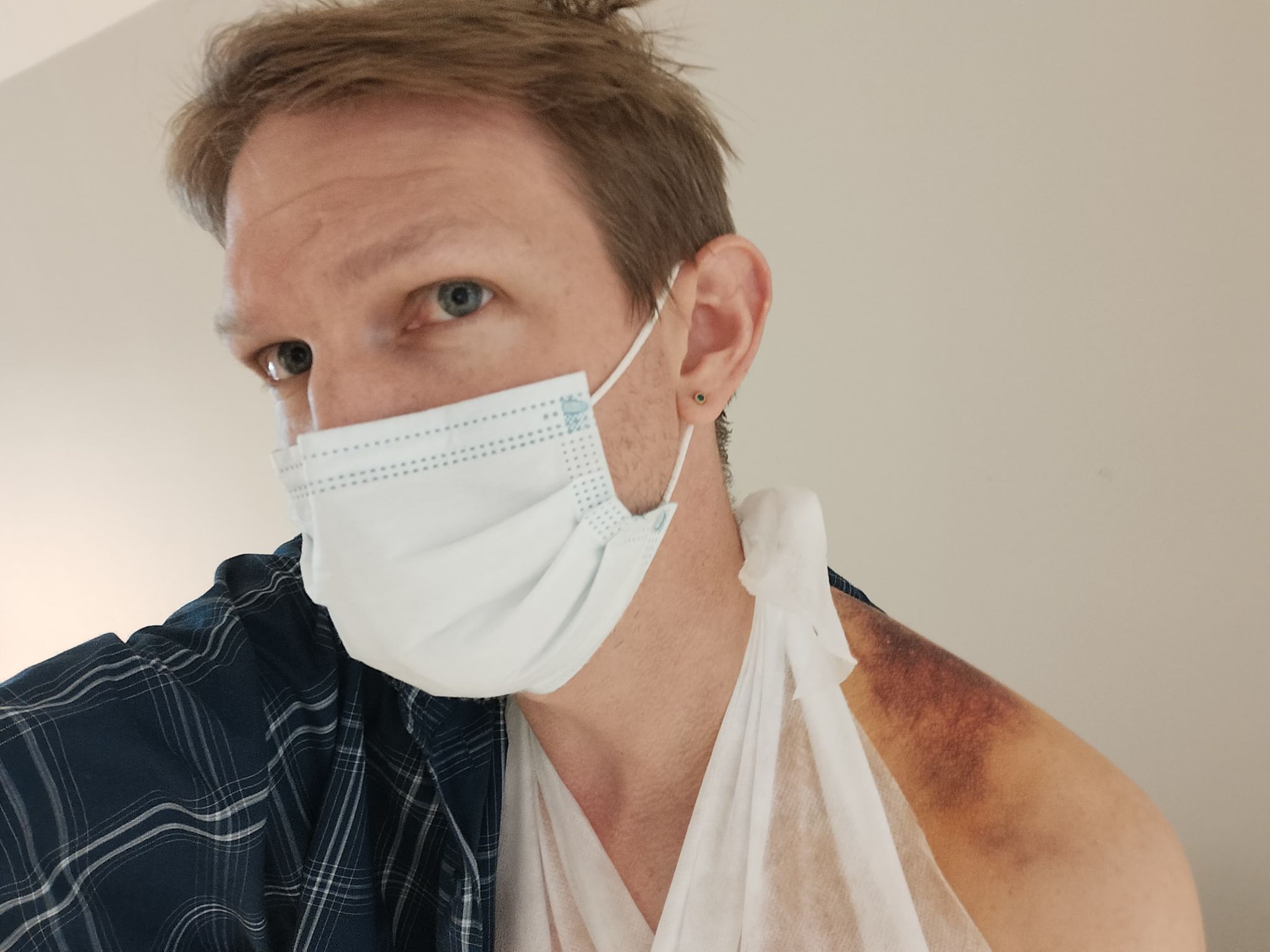
Protecting Your Rights After an Injury on Vacation
Immediate Steps To Take Following A Vacation Accident
Seeking immediate medical evaluation stands as the highest priority following any physical trauma. Emergency responders evaluate hidden symptoms that might develop into severe complications later. Official medical records serve as foundational proof for any future claims.
Reporting the incident to property owners or local authorities establishes an official timeline of events. Dedicated legal teams are setting records in personal injury cases for Illinois families who face complex jurisdictional issues after out-of-state incidents. Gathering incident reports prevents insurance carriers from disputing the basic facts of the event.
Documenting the surrounding physical area with clear photos provides critical physical evidence. Capturing images of hazards, weather conditions, and visible injuries helps reconstruct the scene accurately. Collecting contact details from neutral bystanders strengthens the factual record.
Understanding Jurisdictional Challenges In Cross-State Claims
Filing a claim for an accident outside your home state involves navigating unfamiliar local court systems. Federal highway statistics indicate that motor vehicle crashes accounted for 36,640 deaths across the country in 2025. State laws differ significantly regarding filing deadlines, liability standards, and insurance recovery limits.
Determining where to file a lawsuit requires analyzing where the defendant resides or operates business. Out-of-state corporations often try to shift legal venues to locations less favorable to injured travelers. Legal counsel helps determine the proper courtroom to maintain procedural advantages.
State statutes of limitations govern how much time victims have to initiate formal legal proceedings. Missing these strict deadlines forever bars injured parties from seeking financial recovery. Early consultation with knowledgeable attorneys prevents costly procedural mistakes.
Medical Treatment Considerations Away From Home
Obtaining proper healthcare while traveling requires immediate action during potential disruptions to vacation itineraries. Public health research emphasizes that a lack of rapid trauma response and remote medical care can compromise safety and reduce survivability. Retaining all medical records and travel receipts aids in tracking full economic losses.
Health insurance policies frequently enforce specific rules regarding out-of-network emergency coverage. Contacting primary care physicians back home helps coordinate ongoing treatment plans after returning. Following all recommended medical care demonstrates the serious nature of sustained physical harm.
Medical bills can accumulate rapidly when specialized transportation or emergency transfers become necessary. Securing copies of diagnostic tests and physician notes before departing the vacation site saves valuable time. Detailed documentation links bodily harm directly to the specific incident.
Managing Communication With Out-Of-State Insurers
Insurance adjusters often contact injured travelers shortly after an accident occurs. Giving recorded statements without legal counsel can unintentionally harm the financial value of a claim. Representatives frequently attempt to secure early settlement agreements before full injury outcomes become known.
Protecting personal rights during insurance discussions requires following structured communication steps:
- Avoid signing blanket medical release forms provided by third-party adjusters.
- Decline to speculate on fault or physical recovery timelines.
- Direct all formal settlement inquiries to legal representatives.
Clear documentation prevents insurance companies from minimizing valid injury claims. Keeping a daily personal journal detailing pain levels and missed activities supports non-economic damage claims. Professional guidance shields families from high-pressure negotiation tactics.
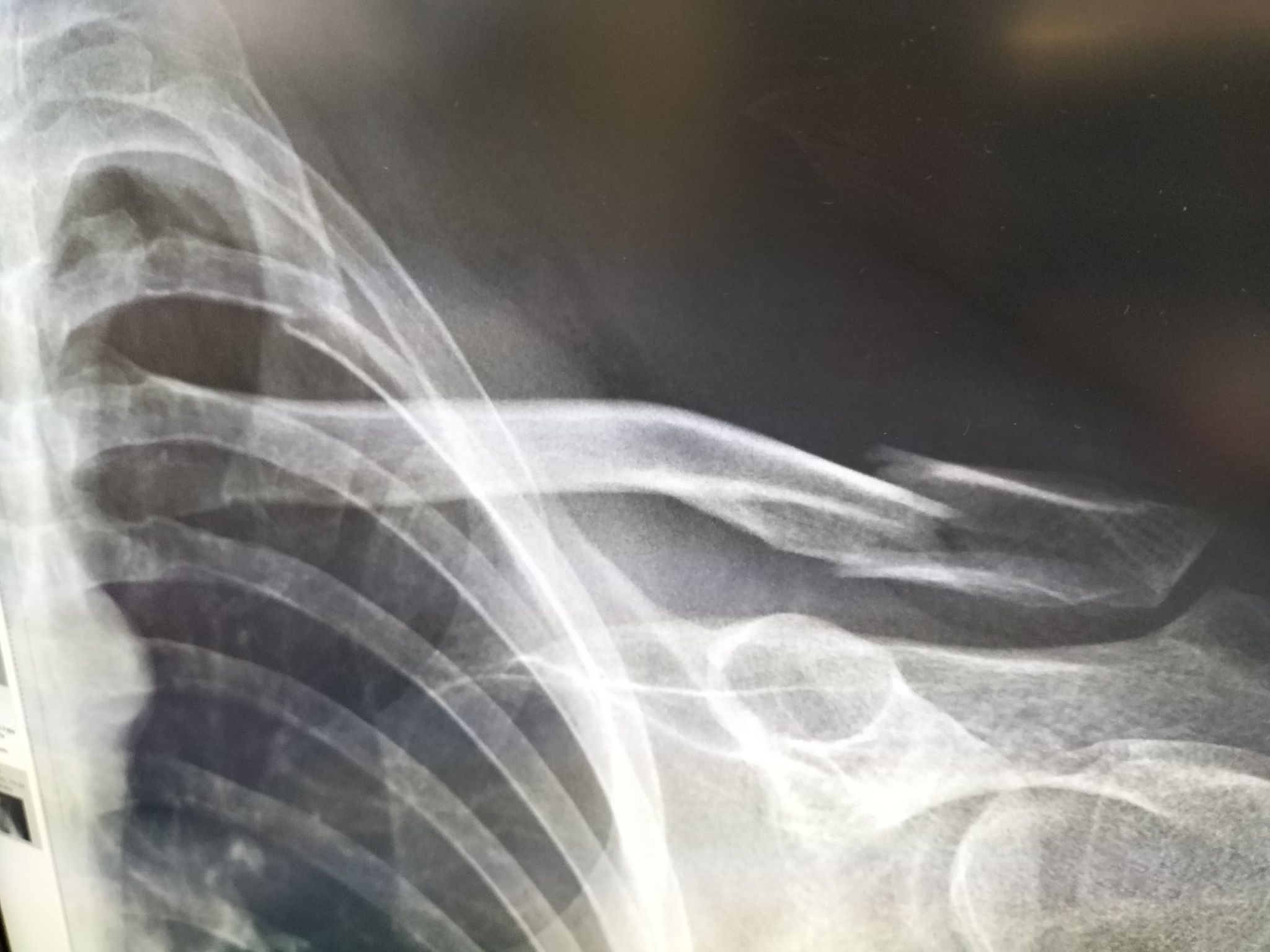
Protecting Your Rights After an Injury on Vacation
Identifying Responsible Parties In Resort And Hotel Injuries
Property owners maintain a legal duty to keep premises safe for visiting guests. Wet floors, broken handrails, and inadequate lighting frequently cause preventable slip and fall accidents. Establishing notice of dangerous conditions requires thorough investigation of maintenance logs and staff records.
Excursion operators and third-party vendors often share liability for travel activity injuries. Liability waivers signed prior to guided tours do not completely protect negligent operators from accountability. Courts scrutinize waiver language to determine whether gross negligence occurred during organized events.
Multiple business entities may manage individual resort properties across different regions. Unraveling corporate structures helps identify every party responsible for failing safety standards. Comprehensive claims target all applicable insurance policies to secure full compensation.
Preserving Crucial Evidence After Returning Home
Returning home does not mean the evidence collection process comes to an end. Preserving damaged physical items, such as torn clothing or broken footwear, provides tangible evidence. Digital files, including GPS tracking data and hotel receipts, help reconstruct precise timeline details.
Securing surveillance footage from private businesses requires immediate legal intervention before files are overwritten. Spoliation letters sent to property owners formally demand the preservation of relevant video recordings. Quick action prevents vital visual proof from disappearing permanently.
Maintaining organized files of all crash-related correspondence keeps legal teams updated on claim progress. Tracking lost wages from missed work shifts documents the precise economic impact of sustained injuries. Structured evidence collection strengthens negotiations with complex insurance carriers.
Working With Experienced Personal Injury Counsel
Selecting the right legal advocate secures proper representation against well-funded defense teams. Attorneys experienced in multi-jurisdictional torts manage complex legal filings across state borders seamlessly. Comprehensive case preparation positions claims for favorable outcomes during pretrial settlement talks.
Contingency fee structures allow injured individuals to obtain quality representation without paying upfront fees. Legal teams cover initial investigation costs, expert witness fees, and filing expenses during active litigation. Financial risks are minimized while pursuing full financial accountability against negligent parties.
Personalized legal strategies focus on securing compensation for past and future medical care costs. Restoring financial stability allows injured travelers to focus entirely on physical rehabilitation and family well-being. Experienced advocacy bridges the geographical gap between local victims and distant courts.
Sustaining an injury while traveling creates complex legal and medical challenges for affected families. Taking organized action immediately after an incident preserves vital evidence and safeguards long-term financial rights.
Navigating cross-border claims requires skilled legal representation to handle multi-jurisdictional laws effectively. Proper support provides peace of mind while focusing on physical recovery and returning to daily routines.