When you finish a brisk cold-water swim or a long backcountry hike, your muscles crave deep warmth. Permanent cedar cabins rarely sit next to remote alpine lakes or quiet riverbanks. You want real Nordic steam recovery right at the trailhead without building a fixed structure.
Modern portable shelters solve that gap by pairing insulated pop-up walls with compact wood stoves. You can now carry an authentic thermal ritual straight into the wild.

How Do Compact Wood Stoves Reach 200 F Outdoors?
Traditional backyard cabins rely on heavy timber and hours of preheating to trap warmth. Pop-up thermal shelters flip that approach by combining a small firebox with a compact interior air volume. When you feed dry hardwood splits into the stove, heat radiates quickly and warms the surrounding stones.
Multi-layer quilted walls lock that thermal energy inside while blocking freezing wind and snow outside. Within 15 to 30 minutes of lighting your kindling, interior temperatures climb past 200 F. Ladling lake water over the hot rocks produces dense, rolling steam that rivals any permanent bathhouse.
Designing Insulated Mobile Shelters for Rugged Terrain
Off-grid heat shelters must withstand sub-zero gusts, damp shorelines, and repeated packing cycles. Portable sauna structures, such as those featured on Sauna Tent, illustrate how insulated fabric walls, reinforced framing, and sealed chimney openings can support temporary high-heat setups in outdoor environments. Lightweight aluminum framing also makes these shelters easier to transport across uneven gravel bars or forest clearings without requiring heavy construction materials.
Ventilation flaps near the floor draw fresh oxygen toward the stove so your fire burns clean and hot. Clear vinyl windows let you watch snow fall or waves roll onto the shore while you sweat. That balance of rugged durability and open views transforms any campsite into a private spa.
Why Should You Pair Cold Plunges With Wood-Fired Steam?
Alternating between intense heat and icy water creates a powerful physical reset after hard outdoor miles. High temperatures widen your blood vessels, sending oxygen-rich blood into tired calves and shoulders. Guidance from the Mayo Clinic notes that heat therapy supports circulation, aids tissue healing, and boosts cardiovascular health after physical exertion.
Stepping straight from 200 F steam into a cold river reverses that vascular response in seconds. Your blood vessels constrict, flushing metabolic waste while triggering an immediate surge of alertness and calm focus. Repeating 2 or 3 hot-cold rounds leaves your body loose and your mind sharp.
Building a Safe Contrast Routine in Open Water
Start with 10 to 15 minutes inside the steam room until sweat beads across your skin. Wade slowly into the water rather than diving headfirst so your breathing stays steady. According to the Cleveland Clinic, newcomers to cold plunging should aim for water temperatures between 50 and 59 F to stay safe.
Limit your initial dips to 30 to 90 seconds before heading back toward the stove. Always warm up completely after your final plunge and drink plenty of water before packing out.
What Makes These Shelters Fit Inside a Standard Car Trunk?
Old-school mobile saunas required trailer hitches, heavy trucks, and wide access roads. Modern hub-style frames collapse down into a single carry bag that slides easily into a hatchback or sedan trunk. Most stoves pack their chimney pipes right inside the firebox to save extra cargo room.
You still have plenty of space left over for coolers, dry bags, and weekend camping gear. That compact footprint opens up lakeside pull-outs and Forest Service roads that trailers could never reach.
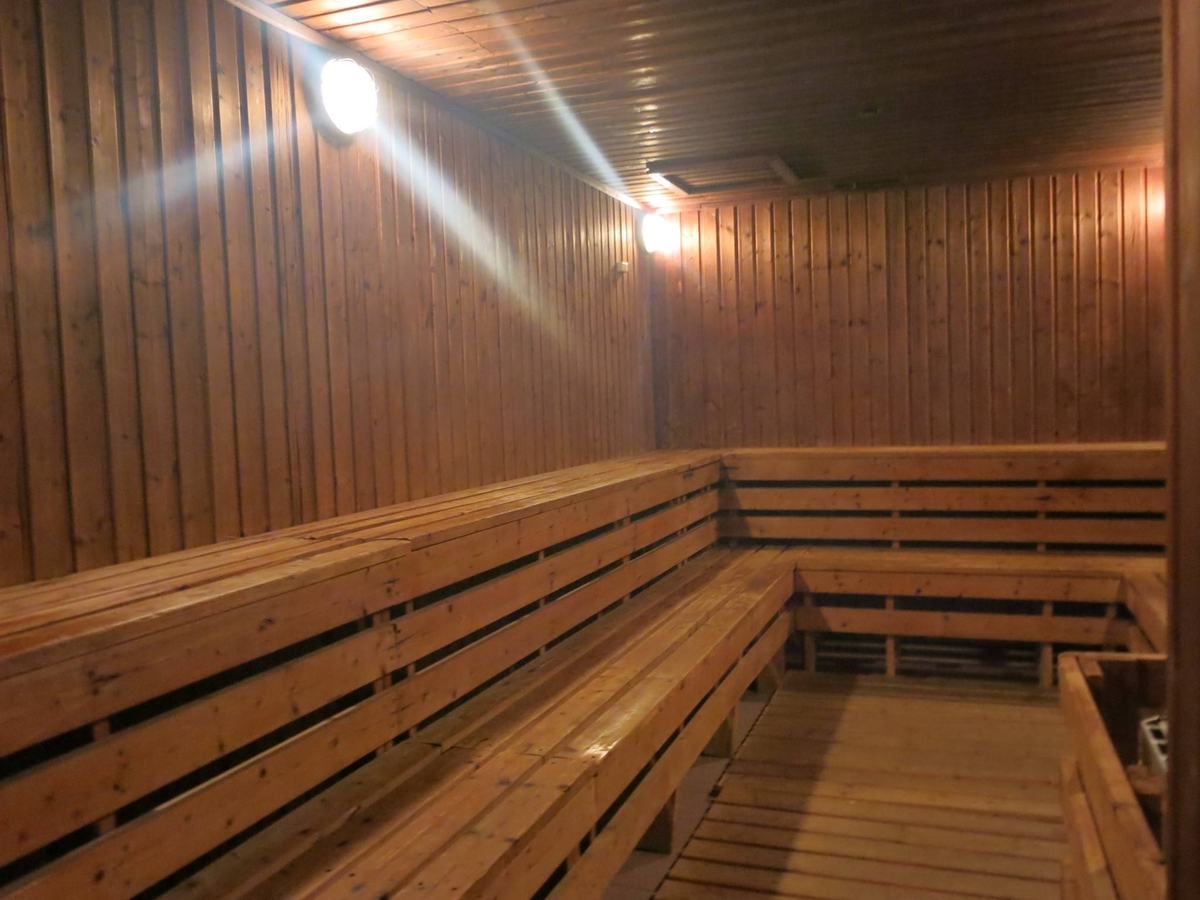
How Do You Set Up Off-Grid Steam in 10 Minutes?
Setting up camp takes less effort than pitching a large family tent. Follow 4 quick steps to get your stove roaring within 10 minutes of parking:
- Level your ground: Clear sharp rocks and branches near the shoreline so the shelter walls sit flush against the earth.
- Pop the hubs: Pull each fiberglass wall hub outward until the frame locks rigid, then stake down the guy lines against the wind.
- Assemble the chimney: Connect the stainless steel stove sections, slide them through the roof collar, and load dry kindling inside.
- Heat the stones: Place river-safe sauna rocks on top of the stove and light your fire 20 minutes before your first dip.
Portable wood-fired steam shelters put centuries-old Nordic heat rituals right inside your trunk. You no longer need a lakeside cabin or a gym membership to experience deep, restorative warmth after a cold swim.
Pack a bundle of dry firewood, find a quiet shoreline, and bring the spa straight to your next outdoor adventure.