





Planning an overseas trip becomes easier when each step is handled with a clear sequence. Travellers often feel overwhelmed because there are many details to manage, yet a simple structure makes everything feel lighter.

A Simple Guide to Planning Your Next Overseas Trip
A trip to the UK often inspires people to understand how preparation shapes the entire experience, and this connection helps highlight the value of early planning. Careful organisation guides decisions about documents, budgets, bookings, and overall expectations. A steady process leaves fewer unanswered questions and builds confidence before departure.
Setting Clear Travel Goals
A strong plan begins with an honest look at personal goals. Travellers benefit from knowing the main purpose of the trip, since this shapes timeframes, preferred activities, and the amount of preparation needed. Some people want a calm break, while others hope for busy days filled with exploration.
Clear goals help set boundaries that protect time, money, and energy. Trip length also becomes easier to determine when the focus is clear. A short trip requires a different structure than an extended holiday, and early clarity supports smart choices throughout the planning phase.
Understanding Entry Requirements and Travel Documents
Reliable travel planning begins with proper documents, and this becomes even more important when someone hopes to experience well-known destinations such as the UK. Passport validity deserves early attention because many places expect several months of remaining time before expiration.
Entry rules differ from one destination to another, so travellers should confirm official requirements before setting firm plans. Steady preparation limits delays and keeps unexpected changes from interrupting the schedule. If you’re considering a brief visit, try looking up relevant information for the standard visitor visa UK to understand the main requirements, timelines, and needed documents. Organised documents support a calmer planning process and create a steady foundation for the rest of the trip.
Creating a Realistic Budget
Thoughtful budgeting shapes the entire trip experience. Travellers often underestimate the cost of daily essentials, so a clear outline of expenses helps avoid surprises. Accommodation, meals, transportation, and activity fees form the core of most budgets. A small financial cushion brings comfort because unexpected costs often appear at the most inconvenient moments.
Personal comfort levels guide spending choices, so each traveller should plan according to what feels reasonable. A practical budget supports better decision-making throughout the journey and prevents unnecessary stress. Careful planning also allows travellers to enjoy their activities freely because the major expenses have already been considered.
Planning an Efficient Itinerary
A balanced itinerary maintains focus without overwhelming the traveller. Key attractions and meaningful experiences deserve priority, so it helps to list them early. Many travellers feel tempted to pack every moment with scheduled activities, yet a realistic approach leaves room for rest and flexibility.
Timings matter because certain activities require tickets, reservations, or set hours. A steady pace leads to a more enjoyable trip and reduces the chance of feeling rushed. A simple outline with clear highlights creates a dependable structure, and spontaneous moments feel more enjoyable when the main plan is already settled.
Booking Flights and Accommodation Strategically
Thoughtful research creates better travel arrangements. Flight options vary widely, and careful comparison helps travellers understand which choice matches their comfort level and timing needs. Some people prefer early arrivals, while others appreciate slower mornings before heading to the airport.
Accommodation also deserves close attention. Travellers often look for a balance between cost, convenience, and overall comfort. Booking early typically creates better opportunities because desirable options fill quickly. A well-timed reservation prevents future stress and supports a smooth start to the journey.
Preparing for Health and Safety Needs
Health and safety preparations give travellers a stronger sense of control before leaving home. Each destination has unique recommendations, so travellers benefit from reviewing general health advice well ahead of time. A simple check of common precautions helps clarify which items belong in a personal travel kit.
Basic supplies such as pain relievers, adhesive bandages, and motion sickness remedies often come in handy during long journeys. Travel insurance also deserves careful attention because it supports travellers during unexpected situations. Policies vary, so travellers should choose something that matches their level of comfort and the length of their trip.
Organising Financial and Communication Essentials
Strong preparation includes making sure all financial tools work smoothly during the trip. Travellers should confirm that their cards function internationally. A brief call to the bank helps clarify any usage requirements and prevents decline issues at important moments. Many people like carrying a small amount of local currency for situations that involve quick payments. A clear plan for transportation, meals, and daily expenses helps travellers stay within their intended budget.
Communication also matters because staying connected supports both safety and convenience. Mobile carriers sometimes offer international plans that simplify calling, texting, and browsing. These plans vary in price and coverage, so travellers should choose an option that matches their needs. Reliable communication helps with navigation, booking confirmations, and urgent updates.
Getting Ready for a Smooth Departure
A well-prepared departure sets the tone for the whole journey. A simple checklist helps travellers avoid forgetting important items. Essential documents, chargers, medication, and travel-sized toiletries often appear at the top of this list. Packing with intention creates a lighter and more manageable bag, which makes navigating airports and transport services easier.
Attention to timing also plays an important role. Travellers should confirm their flight schedule a day before departure to ensure that nothing has changed. Early check-in simplifies the process and provides better seating options. Luggage guidelines deserve a quick review because each airline has its own rules for size and weight.
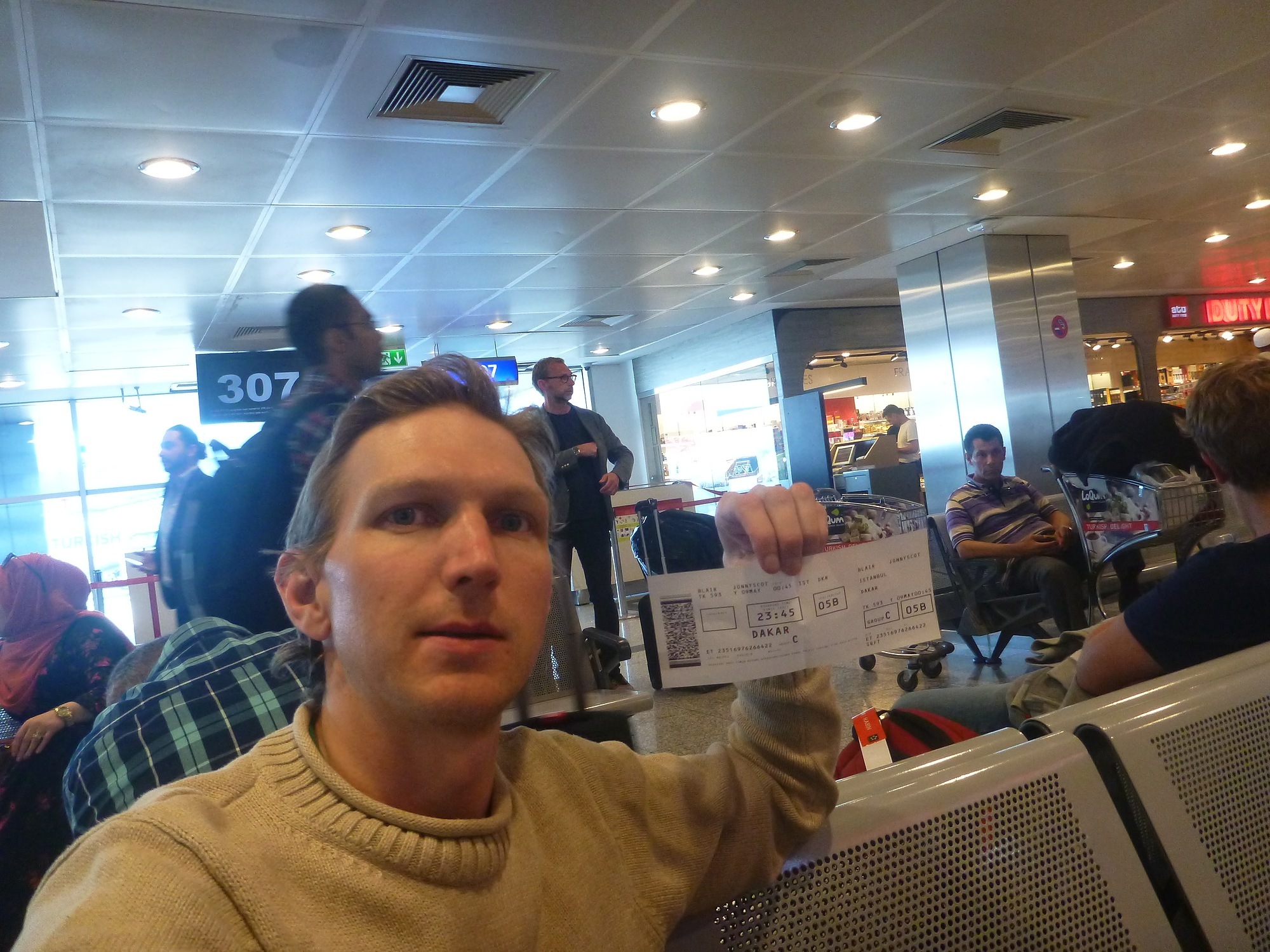
A Simple Guide to Planning Your Next Overseas Trip
Good planning transforms a simple idea into a smooth overseas experience. Each step carries its own purpose, and together they create a reliable foundation for travel. Clear goals help shape the direction of the trip. Well-prepared documents remove unnecessary uncertainty. A realistic budget keeps expectations steady.
A thoughtful itinerary ensures a comfortable pace. Smart booking choices secure the essential parts of the journey. Careful attention to health, safety, finances, and communication strengthens the overall plan. A steady departure completes the preparation and guides the traveller toward a confident and enjoyable adventure. Thoughtful organisation turns anticipation into comfort, and this balance supports a memorable and rewarding trip.