





Los Angeles has the unfortunate reputation of being one of the most difficult cities in the United States to park an RV, and the information available to visitors is scattered across forums, outdated listings and city ordinances nobody reads for fun. So in this article we’ll centralise everything you need to know about RV parking in LA.
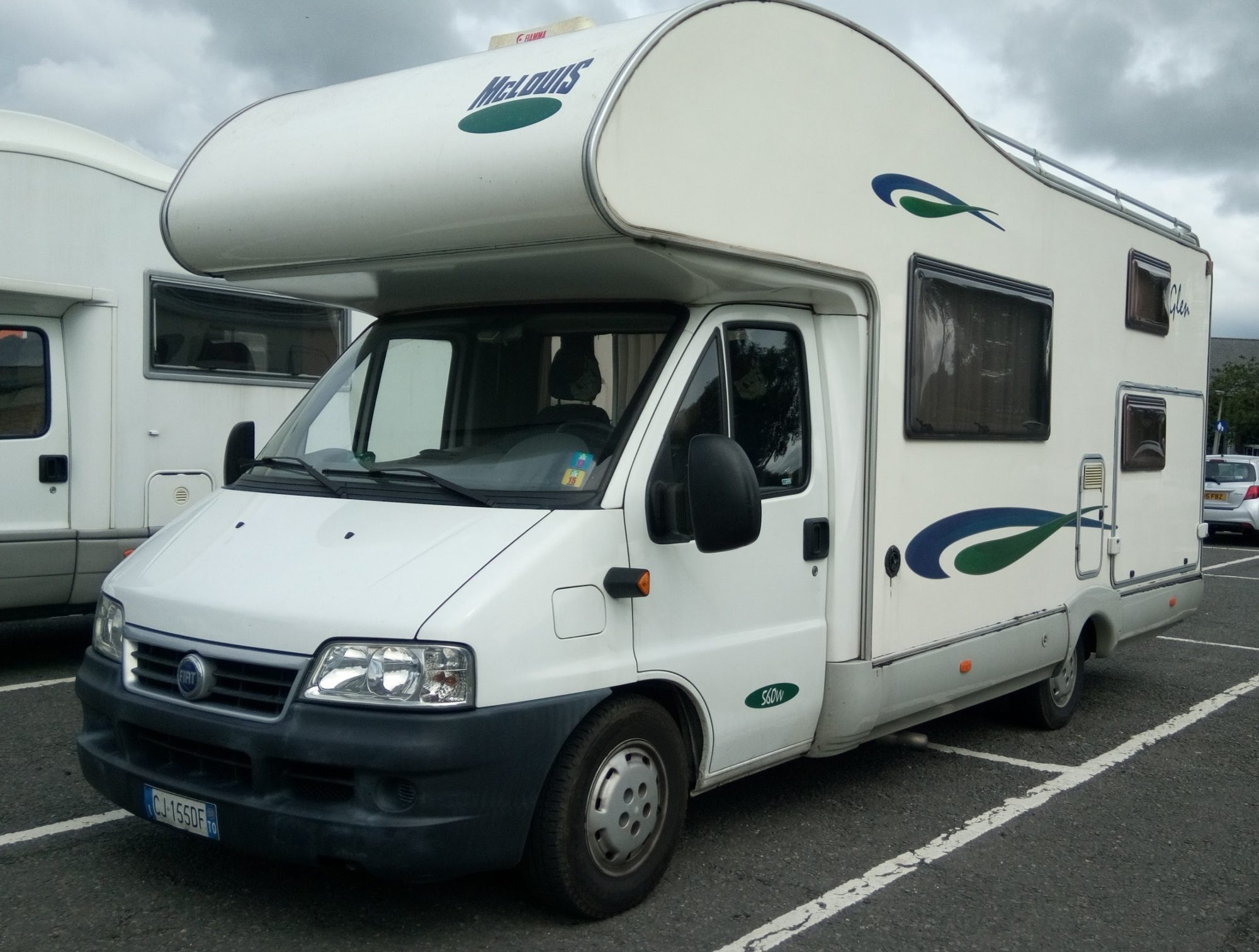
RV parking in LA: where to park and stay overnight in Los Angeles
Can you park an RV in Los Angeles?
Yes, but not everywhere, and the rules change depending on which city you are actually standing in. Los Angeles treats any vehicle longer than 22 feet or taller than 84 inches as an “oversize vehicle”, and parking one between 2am and 6am is prohibited wherever signs are posted saying so. Neighbouring cities such as Santa Monica and Long Beach have their own, stricter definitions.
The practical takeaway is simple: daytime parking is manageable if you plan around a handful of lots, and overnight parking realistically means booking an RV park. Sorting out where the vehicle sleeps before you decide what you’ll see is the single thing that makes an LA stop work.
Daytime RV parking for sightseeing
Beach lots along Santa Monica and Venice
This is where most visitors get caught out, because the beach lots along the coast are run by three different authorities with three different rulebooks.
In Santa Monica, an oversize vehicle is anything over 8 feet wide, 8 feet high or 20 feet long — a much lower threshold than the city of LA. Santa Monica’s own overnight oversize permits are explicitly not valid in beach lots, and the city’s day beach parking permits are not issued for RVs at all. If your vehicle is under 20 feet, metered spaces on and around Ocean Avenue are usable during the day, and free overnight on some stretches. Anything longer and you are better off parking elsewhere and coming in by bus or rideshare.
The LA County beach lots, which cover Venice, Dockweiler, Zuma and the rest of the coast, take RVs during the day at several locations — Zuma Beach in particular accommodates them — but sleeping in any vehicle, RV or otherwise, is prohibited across the entire county lot network. In Marina del Rey, RVs, buses and oversize vehicles may only park at the Launch Ramp, Lot 2, and overnight use there requires calling ahead for approval.
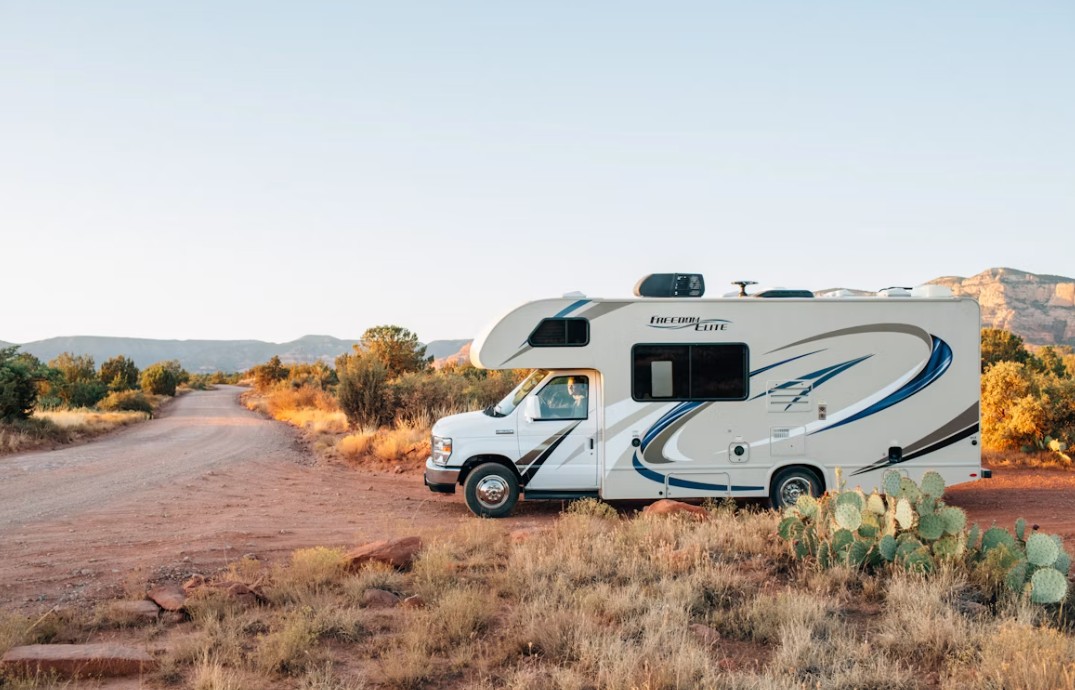
RV parking in LA: where to park and stay overnight in Los Angeles
Griffith Park and the Observatory
Don’t attempt this one in a large RV. West Observatory Road is narrow, steep and heavily congested, the Observatory’s own lot is reserved for accessible parking, taxis and shuttles, and turning a long vehicle around partway up is close to impossible.
What works instead: park lower down in the free area around the Greek Theatre, then take the DASH Observatory shuttle, which runs every 15 to 20 minutes from 10am to 10pm, seven days a week. Note that Greek Theatre parking is unavailable after 1pm on concert evenings, and that Griffith Park’s inbound gates close at 10pm.
Smaller camper vans can usually manage the paid parallel parking on West Observatory Road if you arrive before 10am, especially outside weekends.
Downtown and Hollywood
Downtown and Hollywood work for a few daytime hours in a metered lot, but most structures have height barriers that rule out anything above a standard van. Street meters are limited by time, not just by cost, and the city’s 72-hour rule applies everywhere: no vehicle may sit on a public street for three consecutive days regardless of any other signage.
Overnight RV parking in Los Angeles
RV parks inside the city
Your best bet for an overnight stay is a designated RV park. Dockweiler RV Park, run by LA County in Playa del Rey about 18 miles southwest of downtown, is the only place in the county where you can camp on the sand. It has 118 sites, full hook-ups, showers, laundry and a dump station, and a vehicle limit of 40 feet. The trade-off is that it sits directly under the LAX flight path, so bring earplugs.
Hollywood RV Park is the closest option to the central attractions, though it is small and books out well ahead in summer.
Campgrounds within an hour
If you don’t mind a drive, the options open up considerably.
Malibu Beach RV Park sits on the Pacific Coast Highway with ocean views and full hook-ups, roughly 30 miles up the coast. Golden Shore RV Resort in Long Beach, at the end of the 710 Freeway, has 77 full hook-up sites, a pool and a laundry, and is around 25 miles south of downtown — call it 30 to 40 minutes without traffic, longer with it. Many RVers rate it above Dockweiler as a base for exploring the city.
Further out, Anaheim Harbor RV Park in Orange County works well if Disneyland is on the itinerary, and Leo Carrillo State Park north of Malibu offers a more rustic setting with limited hook-ups. Inland, the campgrounds around the Angeles National Forest are cheaper but mostly dry, with tight size limits — check the specific site before committing a large vehicle.
What about street parking overnight?
Legally possible in places, practically a bad idea, and worth understanding properly.
The LA ordinance only bites where signs are posted. In an Oversize Vehicle Restricted Area, parking a vehicle over 22 feet or over 84 inches high between 2am and 6am gets you cited. The city has installed more than 8,000 of these signs, and the restricted zones cover much of the residential west side and coastal neighbourhoods — exactly where a visitor would think to park.
Permits exist, but they are issued to Los Angeles residents only, at $10 a day, so they are no help to anyone passing through. Add the 72-hour rule, the separate Overnight Parking Districts, and the fact that neighbouring cities each apply their own restrictions, and the maths stops working. Book a site.
Vehicle length is the thing that catches people out
The 22-foot and 84-inch thresholds in the city of Los Angeles are only half the story. In unincorporated LA County, an oversize vehicle is anything over 20 feet long, 7.5 feet high or 8 feet wide, and a permit is required to park one on the street at all. Santa Monica uses 20 feet, 8 feet and 8 feet.
In other words, a 21-foot camper van is a normal vehicle in the city of LA and an oversize one in Santa Monica and unincorporated county areas — sometimes within the same afternoon’s driving. If you have flexibility on what you rent, staying under 20 feet removes the majority of these problems in one decision.
What RV parking costs in LA
Rates vary by location and season, but budget roughly $65 to $125 a night at an RV park, with the beachfront sites at the upper end and the inland campgrounds well below it. Monthly rates, where offered, typically run from around $1,200 to $2,500. Day parking at beach lots is generally charged at a flat daily rate, higher in summer.
Of course, before parking costs even enter the picture, comparing the best RV rental companies in Los Angeles will help you find the most cost-effective rentals in the city — and it’s also where the length decision gets made, which as we’ve seen determines how much of LA you can actually park in.
Practical tips before you arrive
Dump stations and fresh water
Don’t count on finding one downtown, as they are very rare within central Los Angeles. Your realistic options are the full-hookup RV parks themselves, or municipal facilities such as the Hyperion Water Reclamation Plant in Playa del Rey. Plan a dump stop into the day you leave the city rather than assuming you’ll find one en route.
Traffic and when to move the vehicle
Early mornings before 6am and late evenings after 10pm are when traffic is lightest, with Sundays the quietest day of the week. Midday, between 10am and 2pm, is manageable. Avoid the peaks of 7 to 10am and 4 to 7pm entirely — in a large vehicle, on freeways with narrow lanes and aggressive merging, those hours are genuinely unpleasant rather than just slow.
Using LA as a stop on a wider route
LA is not a city you improvise in with an RV, but it works well as a fixed point on a longer Californian route — and that’s how most people should approach it.
The natural pattern is to arrive from one direction, park the vehicle at a single RV park for two or three nights, and see the city by rideshare, Metro or the DASH shuttles rather than moving the RV around. Dockweiler suits an arrival via LAX; Golden Shore works better if you’re coming up from San Diego or heading out toward Joshua Tree; Malibu Beach RV Park is the obvious choice if you’re continuing north on the Pacific Coast Highway toward Santa Barbara and Big Sur.
Treat it as a two or three-night stop with the vehicle parked and the city explored on foot and by transit, and Los Angeles becomes straightforward. Treat it as somewhere to drive around and find parking as you go, and it becomes the hardest few days of the trip.