





Owning a vacation property is an exciting milestone, but turning a secondary residence into a comfortable space takes thoughtful planning. Transforming an unfamiliar layout into a relaxing hideaway means balancing personal taste with long-term functionality. Simple interior upgrades can turn a basic weekend getaway into a welcoming retreat for family and guests.
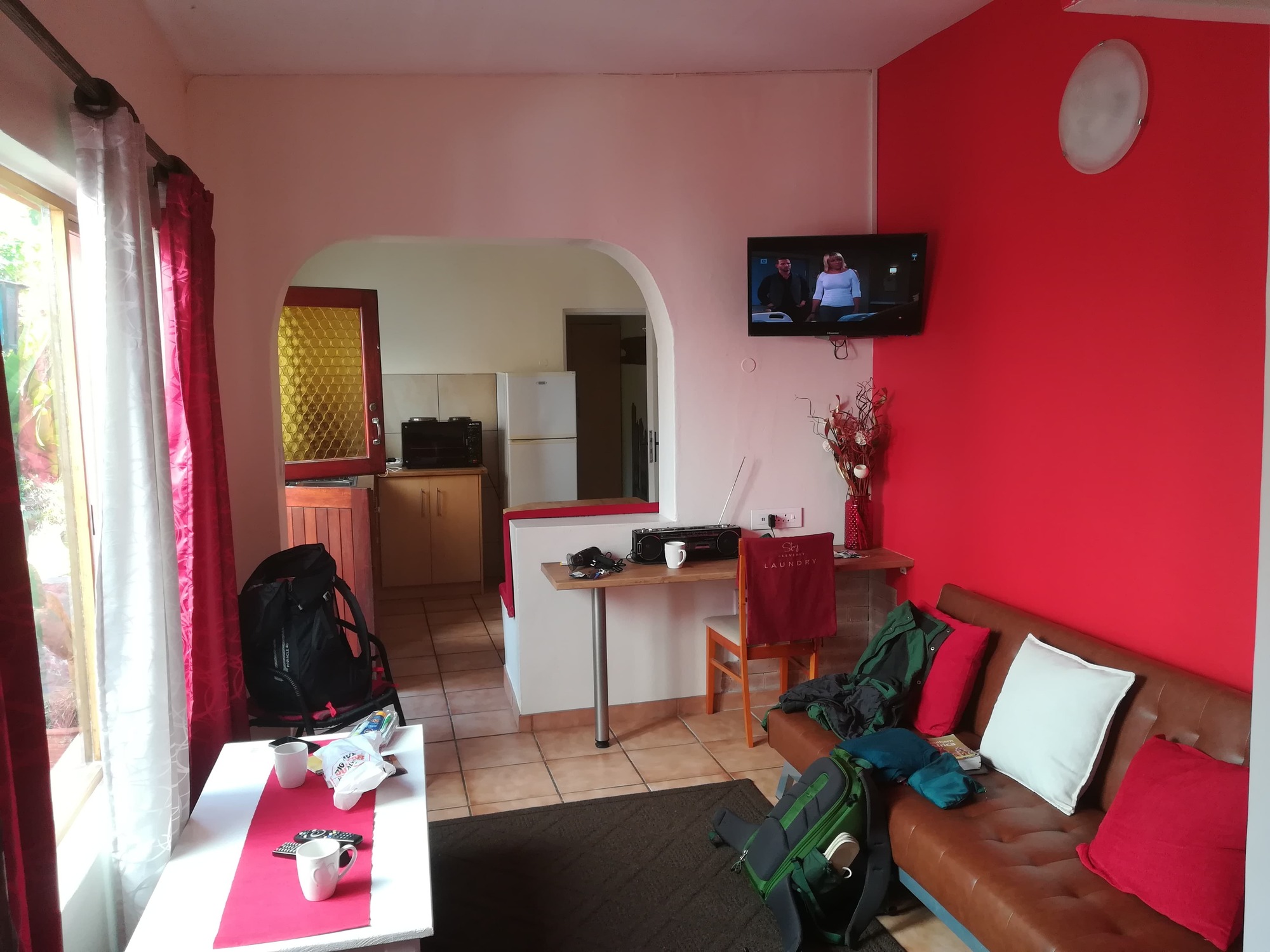
Turning A Vacation Property Into Your Perfect Home Away From Home
Establishing A Cohesive Design Theme
A successful retreat begins with a unified color scheme that reflects the surrounding environment. Coastal cottages succeed with soft blues and sandy neutrals, whereas mountain cabins look best with rich earth tones and deep greens. Keeping wall colors consistent across connected rooms helps the whole house feel balanced.
Layering textures brings warmth without cluttering small living spaces. Soft throw blankets, natural fiber rugs, and solid wooden furniture create a cozy atmosphere. Mixing modern furniture with vintage accessories gives each room individual character.
Selecting flexible furniture pieces helps maximize open floor space. Modular sofas and drop-leaf dining tables provide seating when hosting guests. Smart spatial design keeps the interior feeling airy and calm.
Choosing Flooring Upgrades For Longevity
Hardwood floors and high-traffic pathways require thoughtful upgrades to withstand years of family visits and seasonal guests. Adding Herringbone stair runners brings classic style to steep steps and gives feet extra safety and grip. Owners find that soft floor coverings transform bare steps into cozy focal points. Selecting durable materials keeps walkways looking fresh season after season.
Heavy foot traffic from sandy shoes or muddy boots can quickly wear down untreated wooden stairs. Placing sturdy mats near outer entryways prevents dirt from reaching interior halls. Quality floor treatments save money on long-term repair costs.
Protecting Natural Wood Surfaces
High traffic on wooden staircases can strip finishes and create slippery conditions. Installing durable runner rugs on steps reduces wear on hard timber surfaces by up to 70 percent. Covering exposed treads prevents deep scratches from pet claws and heavy footwear.
Preserving your wood steps maintains property value and keeps repairs low. Regular cleaning with gentle wooden floor products protects the finish under textile covers. Preventive care allows wood surfaces to stay beautiful for decades.
Managing Acoustics In Multi-Level Layouts
Multi-story vacation homes suffer from echoing footsteps and sound carrying between rooms. Woven wool runners offer up to 50 percent noise reduction across multi-story vacation residences. Softening hard floor surfaces creates a quiet environment where guests can relax without hearing constant footsteps overhead.
Sound control is useful in open-concept floor plans with high ceilings. Hanging heavy drapery and positioning upholstered armchairs absorb ambient noise in large living rooms. Soft textiles work together to keep multi-level homes peaceful.
Bedrooms located under active upper floors benefit from thick underlayment pads beneath rugs. These extra layers buffer noise from early morning walkers.
Elevating Visual Texture Across High-Traffic Areas
Staircases and hallways present great opportunities to introduce visual patterns into your interior. Patterned floor coverings saw a 42 percent surge in demand across modern interior remodeling projects. Using subtle geometric motifs adds visual depth to the room. Here are practical ways to add texture to high-use areas:
- Install patterned runners along narrow corridors and wooden stairways
- Use subtle textured wallpaper on accent walls in entryways or dining nooks
- Place woven accent rugs near main doorways and reading spots
- Add textured throw pillows to simple linen couches
Combining these elements creates a layered look that feels polished and welcoming. Geometric designs work well in modern cottages and rustic lodges.
Personalizing Living Spaces With Curated Elements
A getaway property should feel like a personal place, not a rental unit. Displaying local artwork, regional maps, or framed family photos gives rooms a distinct identity. Choosing decor that tells a story makes visitors feel connected to the surrounding location.
Lighting can determine the mood of every room. Warm floor lamps and dimmable overhead fixtures create cozy reading spots for quiet evenings. Soft light options transition rooms from bright daytime spaces to relaxing night spots.
Adding greenery brings natural energy inside your home. Low-maintenance indoor plants like pothos or snake plants thrive with minimal attention.
Creating Functional Storage Solutions For Guests
Clutter can ruin the relaxing atmosphere of a weekend retreat. Building custom shelves and entryway bench storage keeps shoes and outdoor gear organized. Clear storage systems help visitors unpack quickly and feel right at home.
Bedrooms benefit from multipurpose furniture like storage ottomans or bed frames with built-in drawers. Wall hooks placed near entryways give guests easy spots to hang coats, hats, and towels. Good organization lets everyone focus on relaxation.
Dedicated storage bins in closets keep extra linens and toiletries accessible. Labeling baskets makes finding items easy for family members and visiting friends.
Transforming a secondary property into a cozy space takes thoughtful choices and durable design updates. Upgrading high-use areas with quality textiles and smart storage creates a comfortable environment for every visitor. With a few simple improvements, your second home becomes a cherished retreat everyone wants to spend time in.