





For decades, people planned their trips in much the same way. They requested time off weeks in advance, booked flights around long weekends, tried to squeeze as much sightseeing as possible into a few days, and often came home exhausted. That model existed because most people had no real alternative, and for many, it was simply the only practical way to travel. As more people began working remotely, they no longer had to plan travel around traditional work schedules. That gave them far more flexibility in choosing where to go, how long to stay, and how to spend their time.
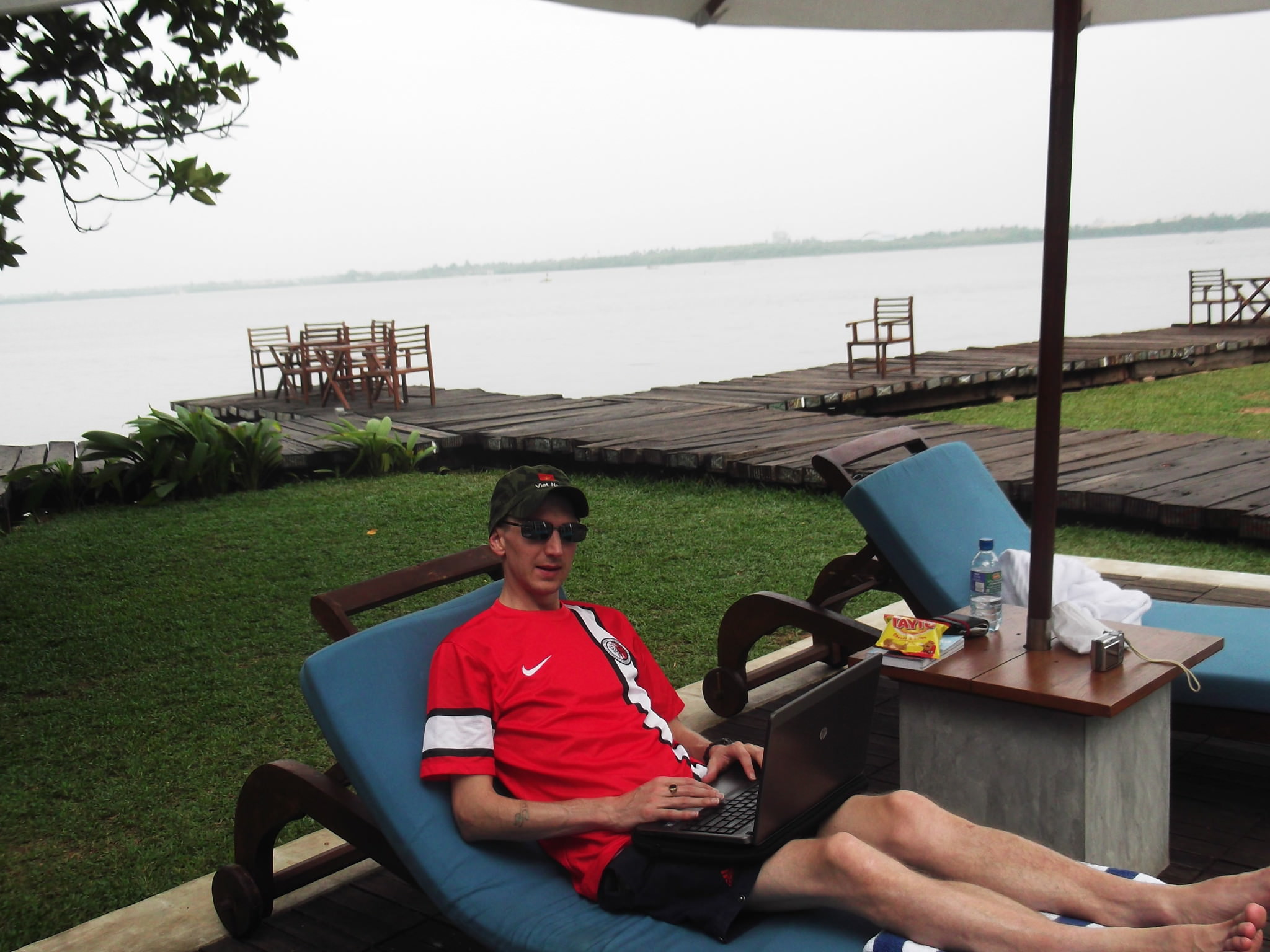
How Remote Work Changed Travel Habits
Flexible Schedules Changed the Way People Plan Trips
One of the most practical changes was the ability to travel on weekdays. Flying out Tuesday instead of Friday cuts airfare noticeably, and arriving mid-week means fewer crowds at most attractions. People with flexible schedules quickly stopped seeing this as a perk and started treating it as the normal way to plan trips. Longer stays in affordable destinations gradually replaced the traditional weekend rush. Someone working remotely can book an apartment in Lisbon, Tbilisi, or Chiang Mai for three to four weeks, keep a normal work routine during the day, and explore in the evenings or on days off. The cost per day drops significantly compared to a hotel for five nights, and the experience feels less rushed. A graphic designer working remotely might spend a month in Kraków, working 9 to 5 in a rented flat and spending weekends visiting the surrounding region – something impossible with two weeks of annual leave. A content writer might take six weeks in Valencia, keeping European time zones while working mornings and spending afternoons outdoors. Neither trip fits the traditional idea of a vacation, but both are genuine travel experiences.
Traditional vacation periods, peak summer dates, and long holiday weekends became less important for people who could travel whenever they wanted. Off-season travel to warmer destinations, mid-autumn stays in cities that are usually packed in July, and trips timed around lower prices rather than school holidays all became common habits.
Work-Friendly Destinations Became More Important
Internet Speed Became a Travel Priority
Before remote work became common, slow hotel Wi-Fi was usually just a minor annoyance. Now it’s a genuine reason to cancel a booking. People now check upload and download speeds before booking a place, read reviews that specifically mention connection reliability, and factor the availability of coworking spaces into their choice of accommodation. Cities like Tallinn, Medellín, and Tbilisi became popular with remote workers partly because fast, affordable internet is easy to find throughout the city, including in local cafés and everyday public spaces. Those cafés also started serving a different purpose. A coffee shop with solid Wi-Fi, enough power outlets, and staff who don’t mind a three-hour stay became a legitimate daily workspace for travelers working abroad. Some people plan their mornings around which café they’ll work from, treating it as both a productive environment and a natural way to observe local daily life. A neighborhood spot frequented by residents rather than tourists often became a better place to work than a hotel lobby.
Short-Term Rentals Started Replacing Hotels
A hotel room works well for a short trip built around sightseeing. For a week or longer, when the priority is maintaining a productive schedule, an apartment is usually the more practical option. Having a kitchen means controlling meal costs and timing. A dedicated desk means not hunching over a laptop on a bed or competing for space in a shared common area. A washing machine means not packing for a month or paying hotel laundry prices. These aren’t luxury features. They are basic functional requirements for anyone trying to work normally while living somewhere temporarily. Monthly rates on short-term rental platforms made longer stays far more affordable than many people expected. A well-priced apartment in Brno, Plovdiv, or Kutaisi for four weeks can come out to less per night than a mid-range hotel in the same city, while offering significantly more space and the kind of setup that supports a real work routine rather than a vacation-oriented lifestyle.
Smaller Cities Gained More Attention
Smaller cities started attracting more remote workers, mostly for practical reasons. Lower daily living costs, fewer tourists concentrated in the same streets, quieter mornings, and a pace that doesn’t feel designed for maximum throughput all made smaller cities genuinely appealing for longer stays. Porto instead of Lisbon. Braga instead of Porto. Plovdiv instead of Sofia. Kotor instead of Dubrovnik. Spending several weeks in one place changes how people experience a smaller city. A week-long tourist visit might feel like there’s not quite enough to fill the schedule. Four weeks in the same place allows a person to find the good local coffee shop, get to know a neighborhood properly, discover which market is worth the walk, and develop the kind of daily routine that makes a place feel temporarily lived-in rather than just visited.
Remote Workers Started Spending Differently During Trips
Spending habits on longer trips tend to look very different from those of a traditional vacation. When someone stays in a place for three or four weeks, one-off splurges matter less than the quality of everyday life. A fancy dinner on the first night or an expensive guided tour might still be part of the experience, but they no longer define the trip. What matters more is having a good grocery store nearby, a café that opens early, reliable public transport, and places that fit naturally into a daily routine. As a result, spending becomes more spread out and less focused on major attractions. Instead of packing the first few days with paid activities and guided tours, remote workers often discover experiences gradually. They might come across a neighborhood festival, hear about a day trip from someone they meet at a café, or sign up for a cooking class after settling into local life. These decisions tend to happen organically rather than as part of a carefully planned itinerary. Longer stays also change how people think about value. Rather than focusing on how much they spend in a single day, they pay more attention to whether a destination remains comfortable and affordable over several weeks. Small, everyday expenses become more important than occasional tourist activities. For many remote workers, this approach leads to a more balanced experience, where travel becomes less about checking off attractions and more about fitting naturally into the rhythm of a place.
Online Entertainment Became Part of Travel Downtime
People who spend a month or more working abroad quickly realize that evenings settle into a familiar routine. During the first week, it’s easy to spend every evening exploring because the city still feels new. By week two, evenings often look much like they do anywhere else. After a full day of work, people grab dinner, watch something, and spend a little time online before calling it a night. Some might browse streaming services or social media, while others look through gaming platforms or compare offers, such as Spinko Casino bonuses, at https://casinosanalyzer.com/casino-bonuses/spinko.me. Longer stays make these routines feel completely natural. Spending a quiet evening indoors doesn’t mean missing out on the destination. The city is still there on weekends, during a sunny Wednesday afternoon, or on the morning walk to a local cafe. But the evenings belong to the same low-key habits that existed before the trip, and nobody particularly fights that. It’s one of the quieter signs that the trip has stopped being a vacation and started being somewhere you actually live for a while.
Many Travelers Now Choose Experiences Over Packed Schedules
Slow travel isn’t new, but remote work made it easier for more people to adopt. When someone has four weeks instead of ten days, the pressure to see everything disappears. A visit to the local market, a walk through an unfamiliar neighborhood, or dinner at a place recommended by someone at the next cafe table often became the most memorable part of the trip. Repeat visits became more common. A person who spent a month in a city three years ago and liked it might go back for six weeks, this time exploring a different neighborhood or a nearby region. That kind of return visit is almost impossible on a traditional two-week vacation model but fits naturally into a flexible work schedule. Day-to-day planning became more flexible. Instead of booking every day in advance, remote travelers tend to leave space. If it rains, they work. If the weather is good on a Wednesday, they take the morning off and hike. The trip responds to conditions rather than following a fixed script.
Remote work made travel more frequent and changed the role it plays in people’s lives. People increasingly started spending time in places as temporary residents rather than short-term visitors. The destination became part of everyday life rather than a collection of sightseeing moments. That shift from tourism toward temporary living may turn out to be the most lasting change. It emerged through thousands of practical decisions made by people with greater freedom over where they chose to work.