





F1 race weekends sell out faster than many people expect. The right timing depends on the circuit, the city, and how flexible your travel plans are.
Some fans book almost a year in advance, while others wait for later releases. The best approach sits somewhere in between and depends on what kind of experience you want.
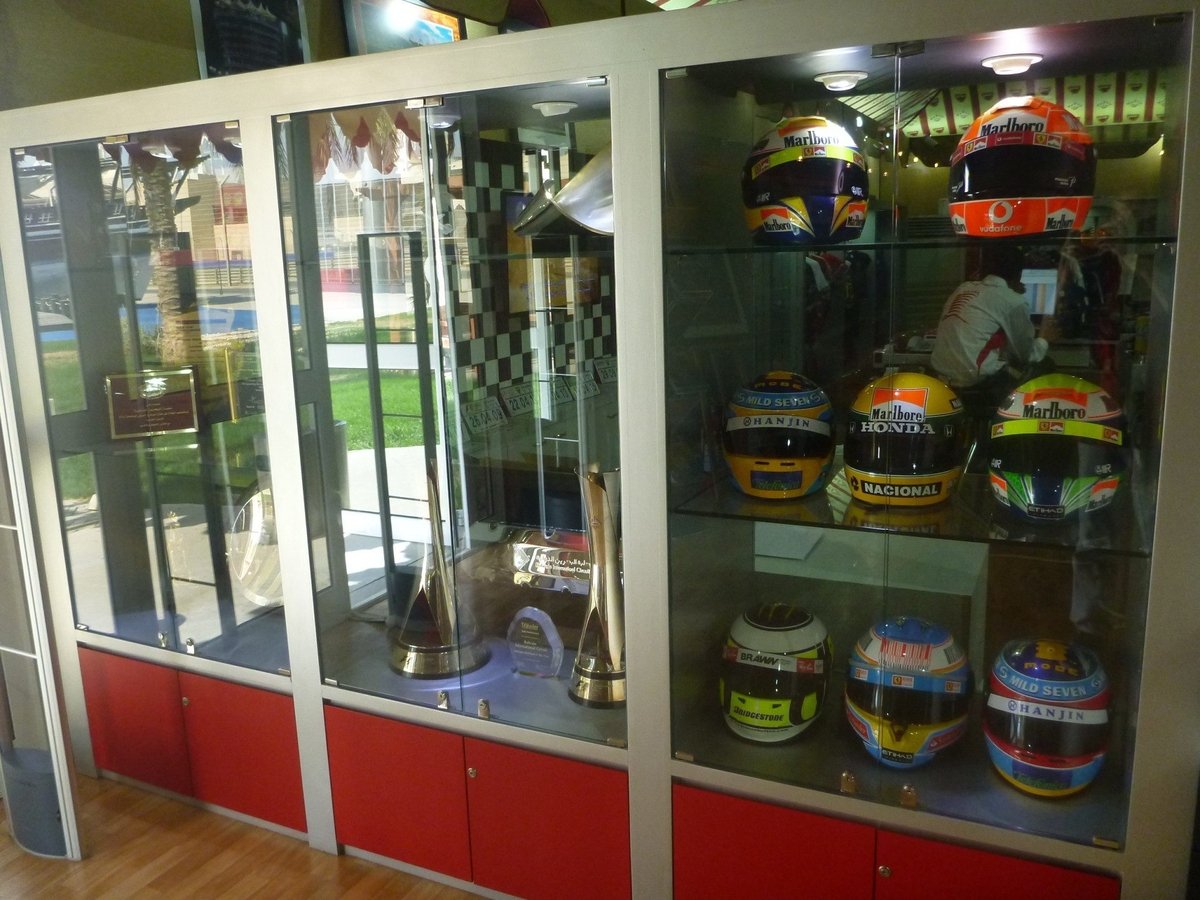
How Early Should You Buy F1 Tickets?
Choosing the Right Moment to Book
There is no single perfect date to buy tickets. Demand changes depending on the race calendar, venue capacity, and how popular a location is with international fans.
When planning a trip, many people start by browsing available options for an F1 ticket to compare grandstands, pricing tiers, and weekend access. Looking at real listings helps you understand how quickly seats disappear and which sections sell out first. That early check also shows how prices shift as demand grows closer to race day.
Booking early usually means better choice, not always lower prices. The main benefit is access to the seats that offer the best views of corners, overtaking zones, or pit lane action.
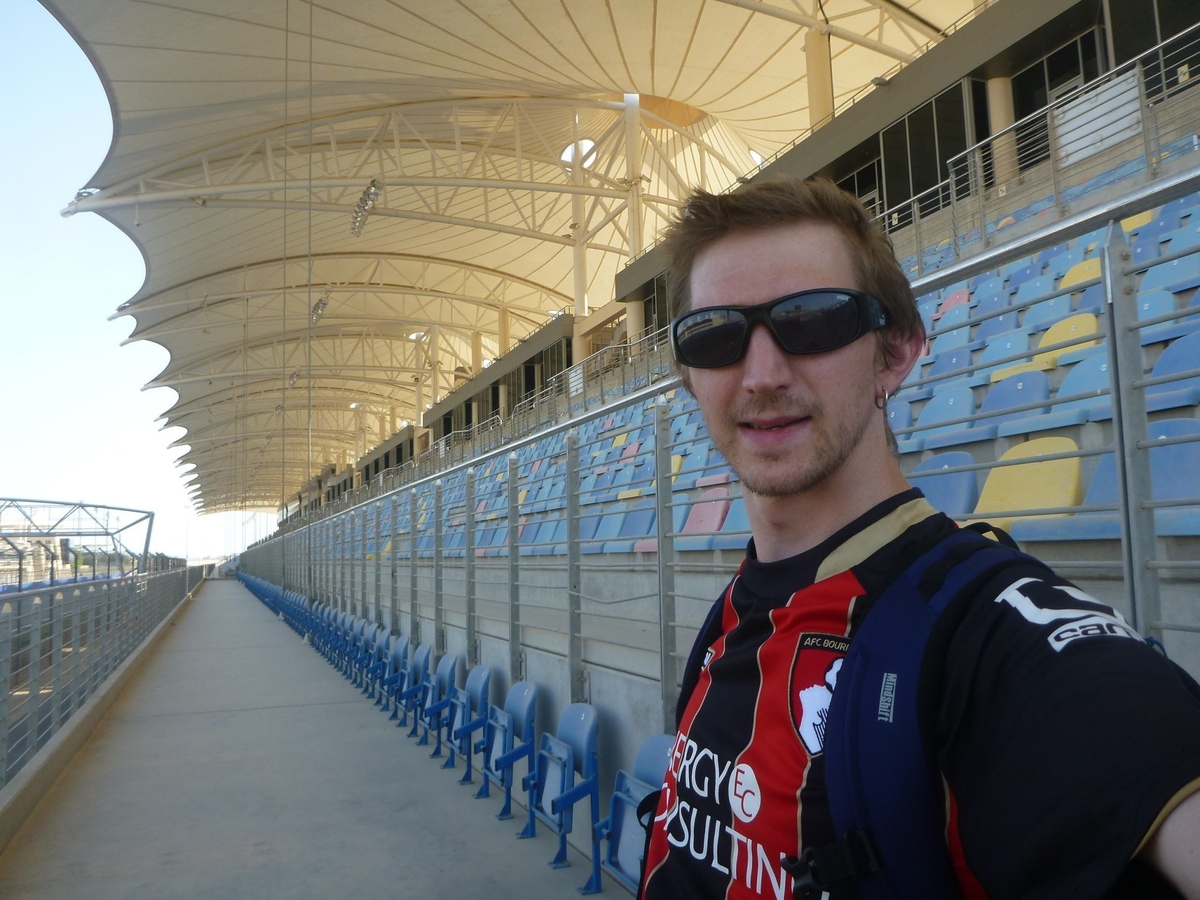
Bahrain International Circuit – Formula One Track
Why Some Races Sell Out Faster
Not all races behave the same. Some events reach capacity months ahead, especially in cities where accommodation is limited. The most in-demand races typically include:
- Monaco, due to its limited space and unique layout.
- Silverstone, with strong local fan demand.
- Monza, known for its historic atmosphere.
- Las Vegas, driven by tourism and entertainment appeal.
- Abu Dhabi, popular for its season-ending format.
These locations attract both returning fans and first-time visitors. Waiting too long for these events often means fewer seating choices or higher overall travel costs.
At the same time, less crowded venues may still have availability closer to race weekend. This gives more flexibility, especially for fans who are not tied to a specific grandstand.
How the Calendar Influences Demand
The race schedule plays a big role in ticket timing. Fans often plan trips around specific weekends, especially when travel routes are convenient or when several European rounds sit close together. A neutral calendar source such as F1 Calendar helps check race dates, session times and the order of Grand Prix weekends without going through ticket pages.
Summer rounds in Europe often overlap with holidays, so demand for both tickets and accommodation can rise early. Back-to-back races in the same region can also shape plans, especially for fans who want to attend more than one event and need to book travel before prices move.
Sprint Weekends Change the Picture
Sprint weekends add another layer to ticket demand. These formats include more on-track sessions, which makes the full weekend more attractive.
According to the F1 sprint calendar and format, sprint events increase track action across Friday and Saturday. This often leads to faster ticket sales, especially for multi-day passes.
Fans who want to attend a sprint weekend should plan earlier than usual. Waiting reduces the chances of finding good seats for all sessions.
Tickets Are Only Part of the Plan
Buying the ticket is just one part of the trip. Flights and accommodation often become more expensive as race weekend approaches, especially when the circuit sits outside the main city. Allianz Travel explains in its Formula One travel tips that fans should plan hotels, transport and race-day essentials before the trip, not after arrival. It is important to think about:
- Hotel availability near the circuit.
- Flight prices during peak travel periods.
- Transport options between the city and the track.
- Check-in and check-out dates aligned with race sessions.
Booking these elements early can save both money and time. In some cities, hotels near the track are fully booked long before tickets sell out. Planning everything together also helps avoid last-minute compromises, because the ticket, hotel and transport plan need to work as one trip.
So, How Early Is Early Enough?
For high-demand races, booking six to nine months in advance is a safe strategy. This window usually offers a good balance between availability and flexibility.
For less crowded events, three to five months may still be enough. The key is to monitor how quickly tickets are selling and adjust your timing accordingly.
F1 events continue to grow in popularity, especially with new regulations and evolving race formats. Acting early does not guarantee the lowest price, but it gives you more choice and a smoother planning process.