





Driving is arguably one of the best ways to see the best of New Zealand’s spectacular scenery on your own schedule and at your own pace. But before you get behind the wheel, it is important to understand the basics of renting a car and driving in the country.
Whether you hope to show your family the sights and sounds of the country’s major cities or embark on the ultimate outdoor adventure, finding the ideal New Zealand rental car to fit your family’s needs can be an easy and streamlined process.
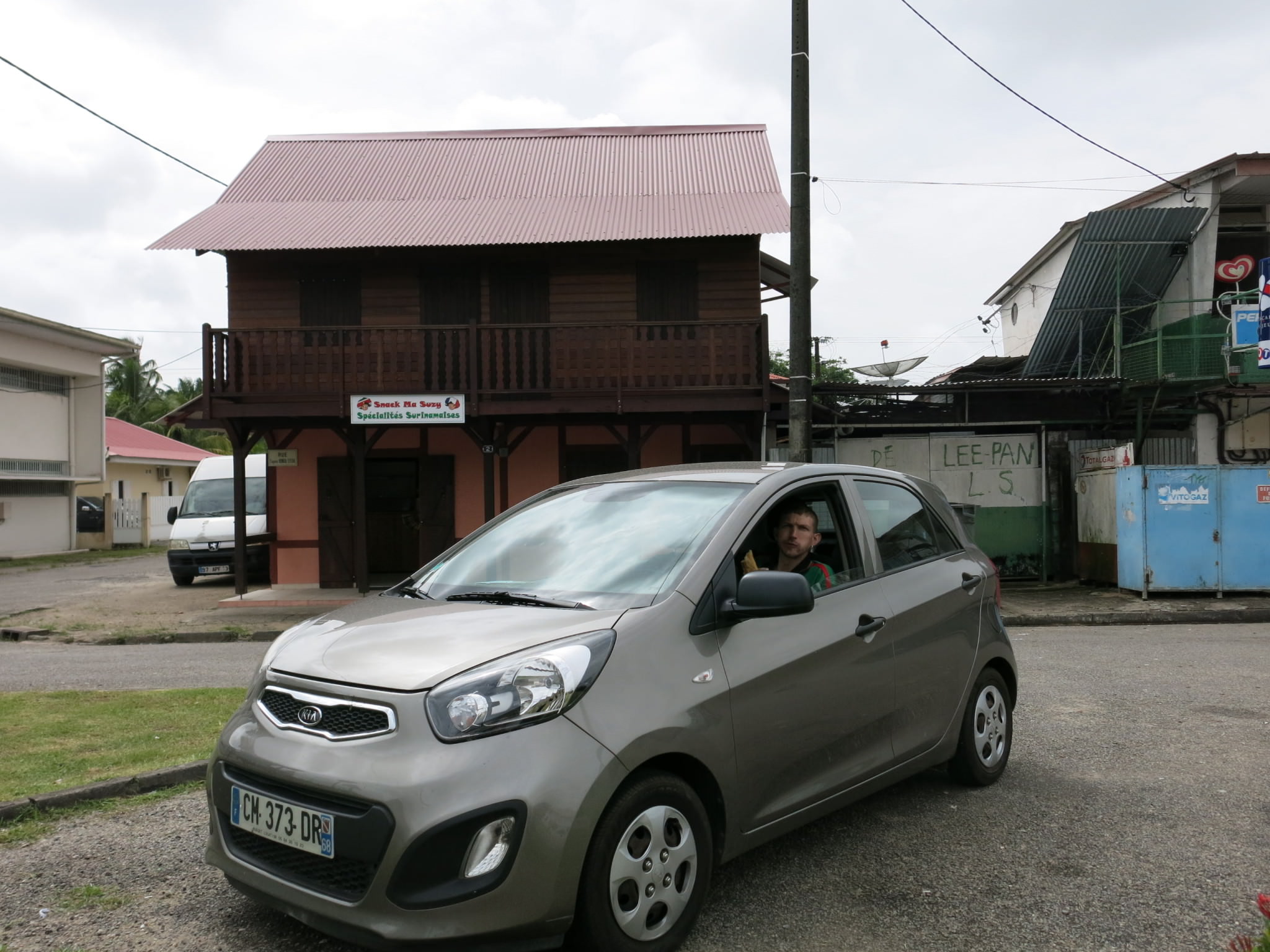
New Zealand Rental Car Tips for Family Travel
Driving Requirements
To rent a car in New Zealand, you must be over the age of 21, although some rental companies may require registered drivers to be 25 years or older. International tourists can legally drive in New Zealand for up to 12 months with a valid driver’s license from their home country, but if your license is not in English, you will need to obtain either an International Driving Permit (IDP) or a certified translation.
Unless you plan to take out full-coverage insurance on your rental car, you will often be required to provide your credit card details for a holding deposit. Before traveling, check in with your credit card company to ensure your credit limit is high enough to facilitate this deposit.
In New Zealand, rental car companies are required to include insurance within a car rental package. This insurance is basic coverage and typically covers only the minimum required to legally drive in the country. You can opt to use this insurance for your rental. However, should anything happen to your car or anyone else’s vehicle, you will likely be charged the full deductible, which often amounts to thousands of dollars.
In order to fully understand what is covered and what you may be liable for, it is crucial to properly read the rental agreement and investigate any additional car insurance policies your credit card company or travel insurance package may carry. This can be a fantastic way to ensure you don’t purchase additional insurance that may already be available to you.

Backpacking in New Zealand in 2007
Available Extras
When renting a car in New Zealand, GPS is typically available at an additional charge. Unless you are a frequent visitor and know the roads well, having a GPS will be highly beneficial. You can lower your rental costs by bringing your own GPS or using the map app on your phone instead. However, reception can be unreliable outside major cities, so it is best to plan your route in advance.
It can be difficult to travel with bulky child seats, especially if you need more than one. It is crucial to note that all children under the age of seven must be in the correct car seat for their age and size. If your child requires one during your vacation, it may be worthwhile to add it to your rental agreement. To ensure you meet legal requirements, specify the exact seat you need when renting your vehicle.
Finally, if you are traveling with others and hope to divide driving stints amongst multiple people, you will need to add a driver to your agreement. Some companies may offer special deals for adding a second driver, or offer it entirely for free.

Backpacking in New Zealand🇳🇿: My Night At Tū Te Ihi, Tamaki Maori Village
Money-Saving Tips
Booking an international vacation can be a costly affair. If you are looking for ways to lower rental costs, there are some strategies to explore when booking your holiday rental. Most rentals in New Zealand are automatic vehicles, while manual cars tend to be much cheaper. If you are able to drive a stick shift, it is worth considering.
Renting larger, 4WD cars is considerably more expensive than standard vehicles, so it is crucial to consider the activities and locations you hope to visit to ensure you rent a car suitable for your plans without overspending.
Finally, if possible, try to rent a car in a major city rather than in smaller, more remote areas. They typically have a larger fleet to choose from and will likely be more affordable. Furthermore, if you return your vehicle to the same location, you will avoid any additional charges associated with dropping it off elsewhere.
Glory Days Loyal: September 2007 All Blog Posts
Road Conditions
New Zealand has a wide range of different driving terrains, and the weather is notoriously unpredictable, often changing significantly throughout the day. Many of the roads are fairly narrow and hilly, with numerous twists and turns that can be intimidating to navigate for first-time drivers.
Outside of main cities, there are very few motorways. Most roads are simple two-way tracks, with one lane in each direction and no barriers down the middle. Rural and more remote areas will feature a lot of gravel, with slow-moving farm machinery, horses, and livestock. Roads are typically busiest during summer and early fall (December to April). However, it is vital to take care during winter as there may be ice, snow, and heavy rain to navigate.
Additional Tips
New Zealand has many rugged, narrow, and winding roads, some of which you may not be allowed to drive on. Often found in the fine print of rental agreements, some companies forbid clients from driving on certain gravel roads or engaging in off-roading due to the condition and safety risks of those roads.
It is also strongly recommended that you thoroughly check the vehicle before leaving the rental lot. Take photos of any existing bumps, scratches, and marks, and email them to the rental company immediately to document any pre-existing damage. It is also worthwhile to take a photo of the mileage meter before leaving to ensure it matches the records the company has provided. Seat belts are mandatory for all car occupants, and all children under 7 must be in a car seat at all times.