





A steak dinner usually starts with the first sip, not the first cut. That opening drink can whet the appetite, clear the palate, and set a steadier pace for richer food. Craft cocktails do that best when sugar is measured and structure is firm. Bitterness, citrus, herbs, and spirit all have a place here. The right order prepares the mouth for fat, salt, smoke, and a deeply browned crust.
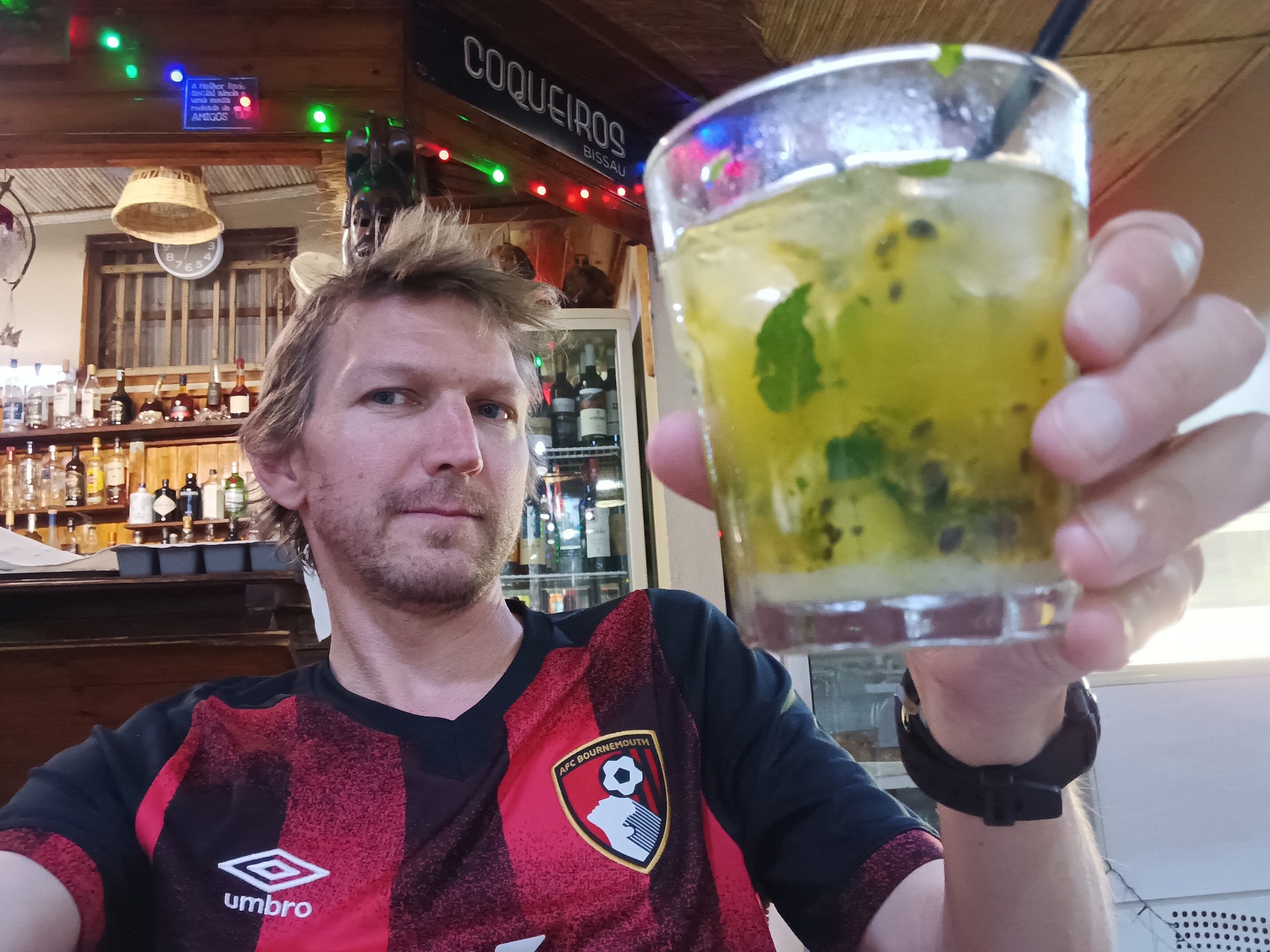
Cocktails time at Coqueiros, Bissau
Start With Place
Room, season, and menu all shape the smartest first pour. At a steakhouse in Salt Lake City, diners often face dry air, cooler evenings, and menus built around char, butter, and pepper. Those conditions favor brisk acidity, restrained sweetness, and aromatic spirits. Each trait helps the appetite rise steadily while leaving enough space for a substantial plate to follow.
Why Aperitifs Matter
Pre-dinner cocktails work best when they stimulate rather than coat. Bitter elements can increase salivation, which helps the palate read seasoning with more precision. Acidity also matters because it cuts residual richness before any food appears. Lower sugar keeps the mouth alert. A first glass should encourage hunger, support digestion, and avoid the sluggish feeling that sweeter drinks often bring.
The Martini Standard
A dry martini earns its place through clarity and control. Chilled gin gives a botanical lift, while vodka offers a cleaner outline. Either choice prepares the mouth without adding weight. Lemon peel contributes volatile citrus oils that brighten the aroma before the first course lands. Olive brine can suit some palates, though too much salinity may blunt subtler flavors in a carefully cooked steak.
Negroni for Depth
The negroni suits diners who want a firmer edge. Its bitterness wakes the tongue, and orange peel adds a fragrant lift without turning sweet. Equal parts also create discipline, which matters before a rich main course. One modest serving usually does the job. That measured intensity stands comfortably beside marbled beef, while still leaving room for texture, smoke, and pan-finished butter.
Manhattan for Warm Spice
A good Manhattan brings warmth, spice, and quiet depth. Rye tends to show sharper grain notes, while bourbon tends to be rounder and softer. Sweet vermouth fills the middle, and bitters keep the finish defined. That combination feels especially fitting on colder nights. The garnish should be discreet. Excess cherry syrup can dull the palate and make the drink feel heavier than intended.
Sour, If It Stays Tight
A whiskey sour can work very well before steak if balance stays precise. Fresh lemon gives needed acidity, and the spirit keeps the frame intact. Egg white adds texture, though some diners may prefer a leaner version with a quicker finish. Bottled mix rarely succeeds here. It often tastes flat, sticky, and disconnected from the kind of meal waiting next.
Old Fashioned, With Restraint
The old-fashioned rewards a light hand. Too much sweetener makes it dense before dinner even begins. Built properly, whiskey, bitters, sugar, and expressed orange oil create warmth without drag. That profile pairs naturally with charred edges and black pepper. Slow sipping helps as well. The drink should settle the pace of the table, not fill the palate prematurely.
Bright Gin Options
Gin cocktails can provide a valuable contrast before a beef-forward meal. Their botanicals often register as cooling and aromatic, which keeps heavier flavors from feeling one-dimensional later. A gimlet is a strong option when lime is fresh and sweetness remains modest. A French 75 may fit too, provided the sparkling wine is dry. Crispness is the point, not ornament or excess.
Tequila With Purpose
Tequila belongs in this conversation when the build stays disciplined. A classic margarita can prepare the palate nicely if fresh lime leads and sugar remains controlled. Blanco expressions feel sharper, with more mineral snap. Reposado versions bring a little barrel softness without becoming heavy. Either route can suit grilled beef well, because acidity and alcohol together lift richness before the meal.
Avoid Dessert in a Glass
Some cocktails simply arrive too rich for this moment. Cream, candy-like liqueurs, and syrup-heavy builds can leave a coating over the tongue that softens later flavors. That effect makes salt, crust, and smoke feel less vivid. The first drink should encourage appetite, not imitate the final course. A brisk structure, a clean aroma, and moderate sweetness usually yield better results.
Match the Cut
Different steaks respond well to different openings. Filet often benefits from drier, cleaner cocktails because its texture is delicate and less fatty. Ribeye can handle stronger bitterness or whiskey spice, since its marbling carries more weight. New York strip tends to sit between those poles. Sauces matter too. Peppercorn, mushroom, or blue cheese can shift the smartest choice quickly.
Ask for Balance
Bartenders remain the best guides when preferences are stated clearly. A short request, such as dry, citrus-led, or spirit-forward, gives enough direction without boxing in the build. It also helps to mention whether wine will follow. The opening cocktail should complement the rest of the dinner. It works best as a bridge for the meal, rather than a separate event.
Conclusion
The strongest cocktail before steak is rarely the sweetest or the largest. It is the one that wakes the palate, respects appetite, and leaves the mouth ready for savory depth. Dry martinis, disciplined Manhattans, sharp gimlets, and measured negronis all meet that test. Each offers a distinct mood. When balance leads the order, dinner starts cleaner, steadier, and far more satisfying.