





Two travelers can compare the same rental formats and reach opposite conclusions. For someone driving from Denver to Los Angeles, returning the RV to Denver could add hundreds of miles and several nights. A one-way charge may be less expensive than the extra road time. For a three-day trip around northern Arizona, returning to the original station might add only a short detour, making the one-way fee difficult to justify.
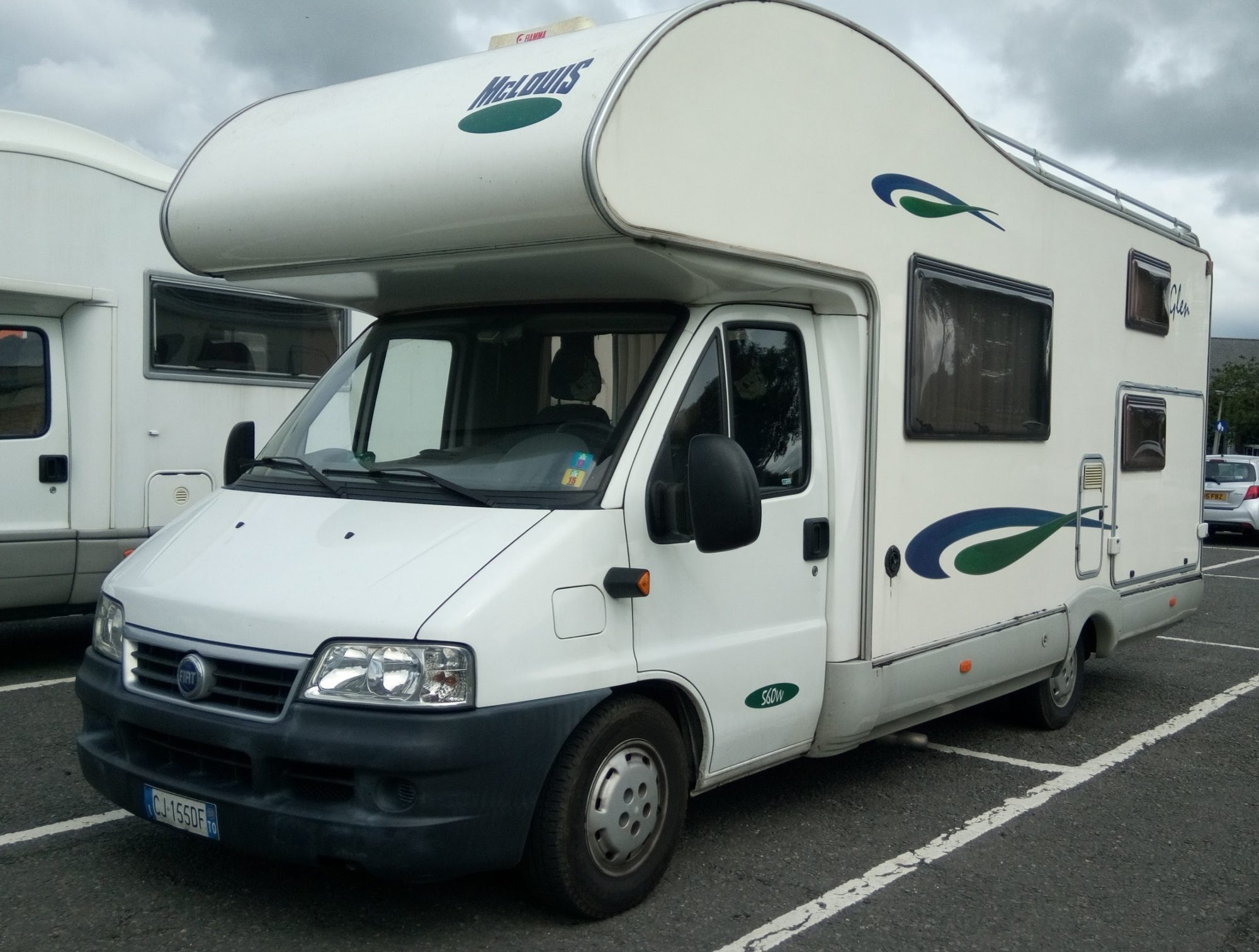
One-Way Camper Rental vs. Round Trip: Which Saves You More Money?
The useful comparison is between two routes, not between the labels “one way” and “round trip.” That means working out where each version begins, where it ends, and how much driving it actually requires before looking at the rental price.
The Route Comes Before the Quote
A one-way rental allows the vehicle to be collected in one city and returned to another approved location. Availability depends on the company’s station network and where it needs vehicles during the selected dates. A route may be offered westbound but unavailable eastbound because the company is trying to balance its fleet.
Round-trip rentals return to the pickup station, though that does not mean retracing the outward route. Most are loops. Someone visiting Utah’s national parks from Salt Lake City might travel through Moab and return through a different part of the state rather than driving every road twice.
Map both journeys in full. Include the pickup station, campgrounds, planned stops and return location. Rental branches are sometimes far from airports, so the calculation should also account for taxis, hotel shuttles or rideshares at each end.
Open-jaw flights can change the answer quickly. Flying into Denver and home from Los Angeles may be more expensive than a return flight to Denver, particularly when several people are traveling. Baggage charges matter too if the group is carrying camping equipment. Check airfare while the RV quotes are still available instead of assuming the flight difference will be small.
The vehicle itself can affect the route. A low rental price is less helpful if the motorhome cannot enter the intended campground. The National Park Service advises travelers to check the maximum RV and trailer length for each campsite, noting that turning space and access roads can be as important as the dimensions of the parking pad. If the rented RV does not fit, another site may not be available.
Extra nights should be counted even when they are spent mainly driving back. They add another daily rental charge and may require a campground, meals and time away from work. A return journey completed in one long day avoids the campsite cost but may not be a sensible plan for an unfamiliar vehicle.
What the Advertised Rate Leaves Out
The nightly rate is only the beginning of an RV quote. Vehicle size, season, pickup location and demand can all change the price. Comparing a compact one-way camper with a larger round-trip motorhome will not reveal much about the rental format itself, so use similar vehicles and dates where possible.
One-way fees are provider- and route-specific. El Monte RV currently says its typical one-way charge ranges from $200 to $750, based on the return location and fleet availability. That range belongs to El Monte and should not be treated as an industry tariff. The booking quote is the relevant figure.
Mileage is another variable. Cruise America currently publishes a 39-cent-per-mile rate, collecting an estimated amount in advance and adjusting it after the vehicle is returned. Other companies may include a limited allowance, sell mileage packages or offer unlimited mileage for selected rentals.
Promotions do not always apply equally. A company may discount mileage for a local round trip while excluding one-way reservations. Relocation deals work in the opposite direction: when a vehicle must be moved to another station, the company may reduce the nightly price or waive the return-location charge. These offers usually fix the route, dates, vehicle and maximum rental period, leaving little room to modify the itinerary.
Fuel should be estimated from the planned distance and the approximate economy of the actual model. A compact camper van and a large motorhome should not share the same fuel assumption. Use a current fuel price for the states on the route, then leave some room for mountain driving, traffic and generator use.
Several smaller charges can appear around the rental. Depending on the agreement, the final amount may include insurance products, taxes, preparation, propane, generator hours, kitchen equipment, bedding, tolls, pet fees, cleaning or waste-tank service. A refundable deposit affects the cash required at pickup without becoming a cost unless some or all of it is retained.
Read the return conditions before reserving. If tanks must be emptied, fuel restored to a particular level or the interior cleaned to a stated standard, those requirements belong in the cost plan. An early return may not produce a refund, while a late return can create hourly charges and interfere with the next booking.
Documentation Can Protect the Cheaper Quote
A low-priced rental can stop being economical after a disputed damage, cleaning or mileage charge. The pickup record therefore belongs in the financial planning, not in a separate legal folder that receives attention only after something goes wrong.
Keep the agreement, insurance selection and vehicle-condition report together. Photograph the exterior, windshield, wheels, interior, dashboard mileage, fuel level and generator-hour display before departure, then repeat the process during return. Outdoorsy’s instructions for handling mileage, generator and cleaning overages specifically rely on before-and-after photographs and recorded readings.
Crossing a state line can change rules a driver uses every day. The California DMV prohibits adult drivers from using a handheld phone and permits only limited interaction with a properly mounted device. Texas law prohibits sending or receiving electronic messages while driving, but some Texas cities impose broader restrictions on cellphone use. The state driving-law guides available through ConsumerShield cover differences involving phone use, speed limits, insurance and accident reporting in California, Texas, Florida, Illinois and New York. Rules for every state on the planned route should still be confirmed with the relevant DMV or highway-safety agency before departure.
Any promised discount or waived fee should also appear in the written booking confirmation. A telephone assurance is difficult to use when the return station sees a different amount in its system.
Two Routes, Two Different Answers
Take a longer journey first. Assume the one-way route covers 1,000 miles and a realistic round-trip loop covers 1,550. The round trip adds 550 miles rather than duplicating the entire outward journey.
At an illustrative mileage rate of $0.39 per mile, the added mileage costs $214.50. If the RV averages 10 miles per gallon and fuel is budgeted at $3.50 per gallon, those 550 miles use roughly 55 gallons, adding $192.50. The extra road cost is therefore about $407 before another rental night or campsite is considered.
A $350 one-way fee is lower than that $407. However, if the open-jaw flights and transfers cost the group an additional $250, the one-way plan becomes more expensive again. Adding two return-journey nights could move the advantage back in the other direction.
Now consider a regional trip. The one-way route covers 300 miles, while returning the RV to its original station creates a 420-mile loop. The difference is only 120 miles. At the same illustrative rates, mileage adds $46.80 and 12 gallons of fuel add $42, producing approximately $88.80 in extra road cost.
With no additional night required, a $350 one-way fee would cost much more than returning the RV. Open-jaw travel would make the difference wider. This shorter example is where a round trip usually has the clearer advantage, provided the route remains enjoyable rather than becoming a hurried drive back to the station.
The arithmetic should use the actual quotes, vehicle, flights and route. Compare both rentals on the same day, confirm what mileage each includes and save the full booking terms before paying the deposit. That calculation will show whether the one-way fee is buying genuine time and distance savings or merely a different return address.