





Forty years in cannabis breeding leaves a long trail of quiet failures behind every strain that eventually wins an award. Barney’s Farm reached that milestone in 2026, and the genetics still in the catalog today survived because something else got discarded along the way.
Looking back at four decades of expeditions, competition wins, and a couple of real setbacks, a handful of patterns keep repeating. They read less like company history and more like a working method, one that holds up for any long project built on patience rather than shortcuts.
That method starts with where genetics come from in the first place. Long before there was a company to name, the person behind Barney’s Farm was more interested in learning from growers who had worked with the plant for generations than in building a catalog of Cannabis Seeds from whatever cuttings happened to be circulating around Amsterdam.
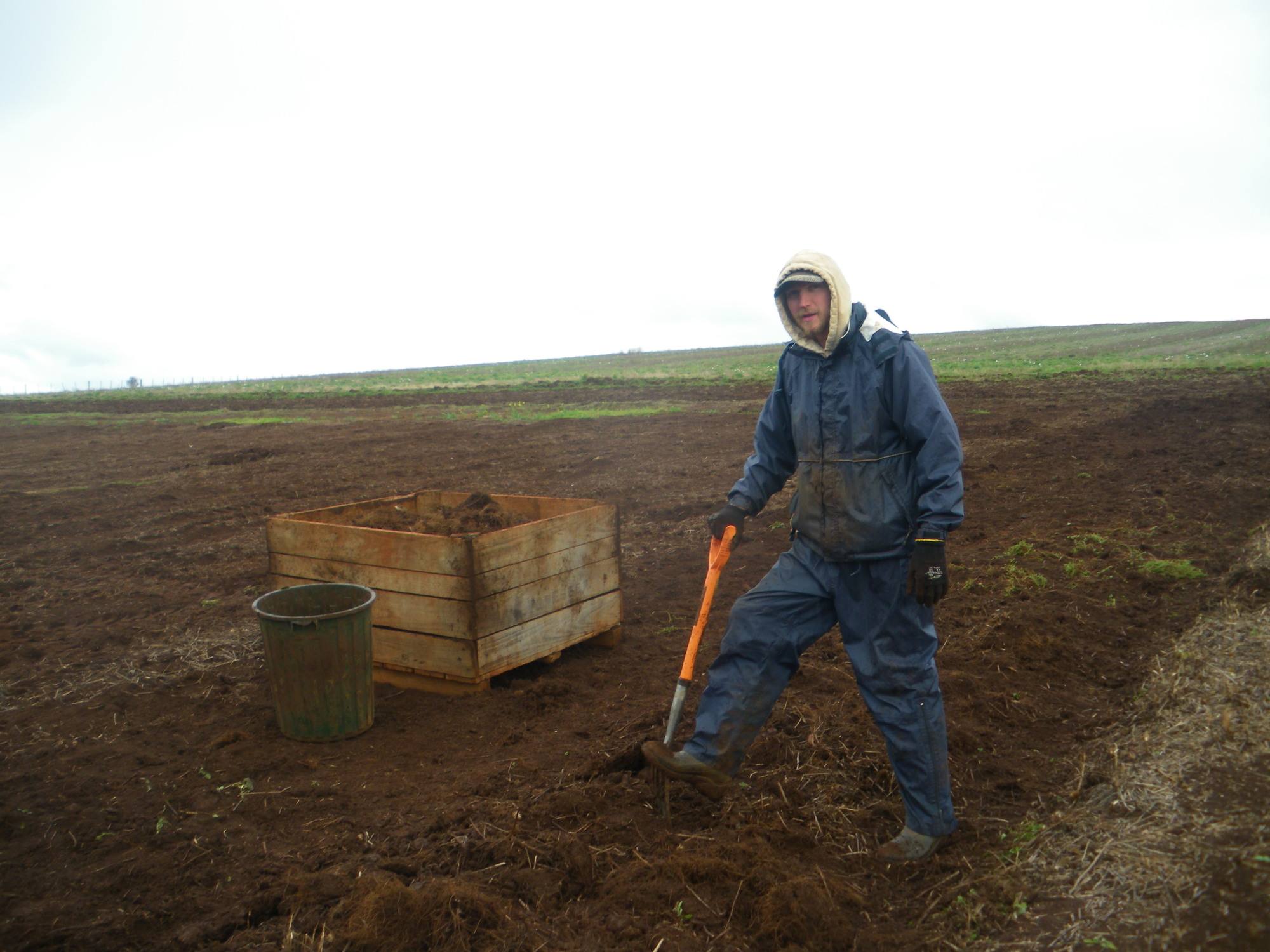
Farming in Tasmania
1. Learn From the Source Before You Breed
That traveler, known simply as Derry, left Amsterdam for northern India in 1982 and spent years with village growers instead of heading straight into a breeding program. A second trip in 1988 pushed further, through the Hindu Kush, Pakistan, Afghanistan, Nepal, Thailand, Laos, and Cambodia.
Two more expeditions followed over the next few decades, each one adding material a breeding program built purely on trading cuttings around the city would never have reached.
- 1982 to 1988, the Himalayan years: Landrace genetics from India and the Hindu Kush gave the earliest strains their resin production and structure.
- 2003, Iran and Central Asia: A trip through Iran, Turkmenistan, and Uzbekistan strengthened lines that later became Morning Glory and Pineapple Chunk.
- 2012 to 2014, Africa, Indonesia, and Hawaii: A two-year hunt widened the flavor range that fed directly into the 2014 Cookies Kush win.
2. Build a Catalog Growers Can Actually Reach
Genetics only matter once a grower can order them, and that lesson took longer to act on than the breeding itself did. Barney’s Farm genetics reached American dispensary shelves in 2024, and Germany followed in 2026 with a dedicated fulfillment center, so growers there searching for cannabis samen now reach the same library through a local catalog instead of an international order form.
The US side of that expansion works the same way. A distribution center opened in California in 2025, a year after the first American shelf placements, closing the gap between a strain bred in Europe and a grower who wants to plant it this season rather than wait on customs.
3. Refine a Winning Line Instead of Chasing the Next One
Plenty of seed banks treat an award as a finish line. Sweet Tooth took second place at the Cannabis Cup in 2000, came back a year later with one change to finishing technique, and won. Nothing about the plant changed. The process around it did.
G13 Haze repeated the pattern a few years later, winning the Cup in 2006 and defending the title in 2007 with the same original line rather than a follow-up cross. Returning to a proven strain instead of replacing it the moment competitors caught up turned into one of the clearest threads running through the whole catalog.
4. Protect the Library Before You Need To
Not every lesson at Barney’s Farm arrived on purpose. When grow facilities across Europe were raided in 2017, the entire genetic library could have disappeared in a single season. Instead, it was rebuilt from copies that trusted growers on three separate continents had been holding without being asked to, a habit that turned into insurance nobody had planned for.
5. Let Data Confirm What Instinct Suggests
Twenty-five years of breeding by instinct is still instinct, however good it is. Barney’s Farm opened dedicated laboratories in San Sebastian, Spain, in 2011, adding lab analysis to an already thorough process. Selective breeding across twelve hectares of outdoor ground in South Africa followed two years later, testing how the same genetics performed away from controlled light.
That same combination of instinct and data eventually reshaped the format lineup, too. The catalog now spans four types of seed, each answering a different question a grower asks before placing an order:
| Format | What It Offers | Best Suited For |
| Regular seeds | Unstabilized genetics closest to the founding catalog | Breeders selecting their own phenotypes |
| Feminized seeds | Standard genetics bred to remove male plants | Straightforward, predictable cultivation |
| F1 precision hybrids | Crosses of two stabilized parent lines | Uniform harvests, plant to plant |
| Autoflowering F1s | F1 precision paired with a faster life cycle | Growers working short seasons |
To Conclude
None of these five lessons look dramatic in isolation. Together, they explain why a project that started with one traveler and one collection of seeds is still adding new lines to the same library today, forty years after the first cutting changed hands on Haarlemmerstraat.