Travel means different things to different people. Some want to hike through remote landscapes, wander unfamiliar cities, or find somewhere that feels a world away from ordinary life. For others, it’s the journey itself that sticks in the memory. Travelling by sea gives you a different vantage point altogether, changing scenery, shifting cultures, and destinations you reach at a pace that lets you actually notice them.
From Antarctica’s icy wilderness to the sun-warmed coastlines of the Mediterranean, a cruise can show you the world from an angle you simply don’t get any other way. Even something as familiar-sounding as a cruise to Barcelona turns out to be a proper introduction to one of Europe’s most captivating cities, and to the particular pleasures of getting there by water.
The adventure begins with the journey
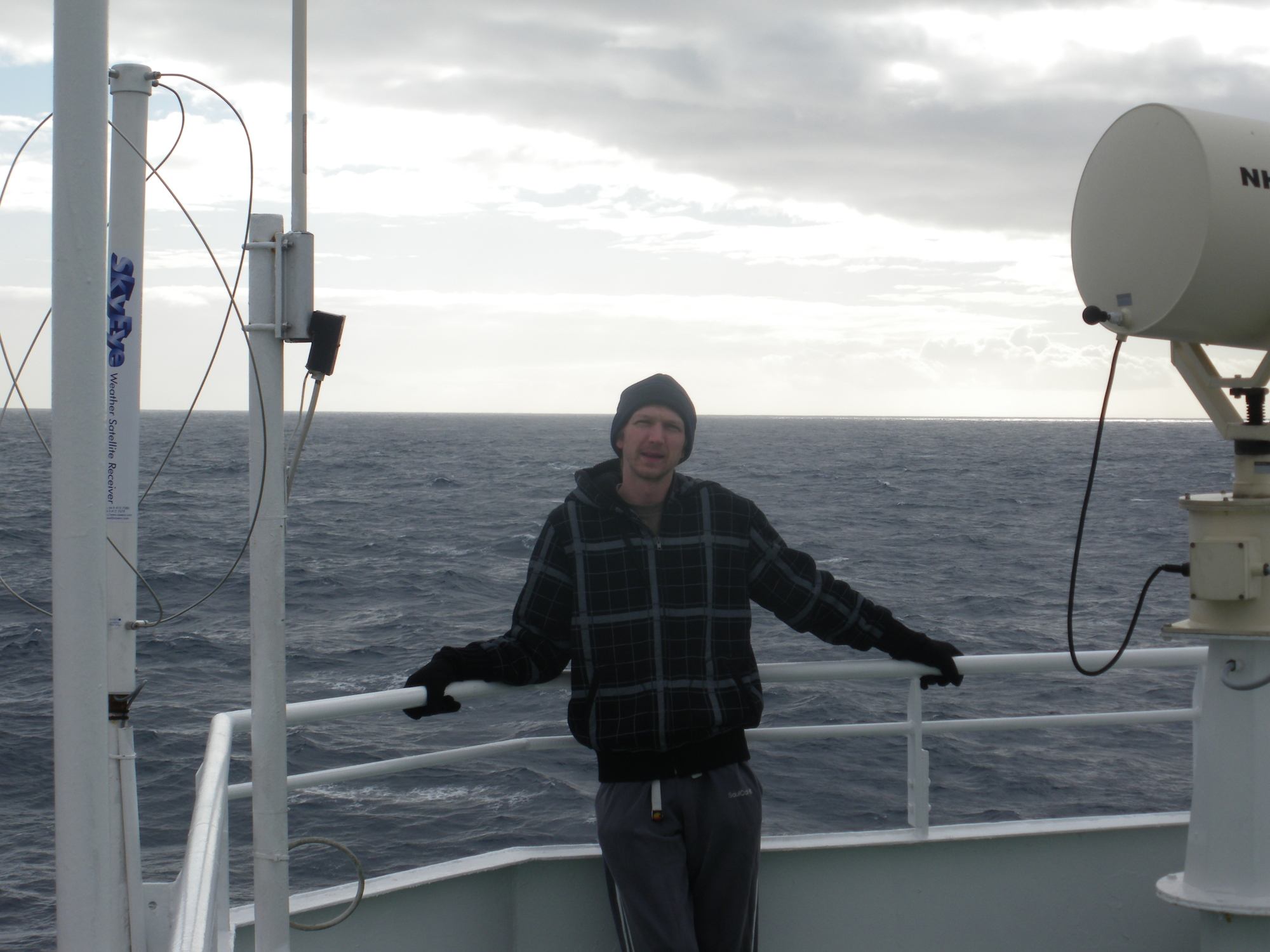
One of the best things about travelling by sea is that the journey isn’t just a means to an end. Fly somewhere and the whole point is arriving as fast as possible. Sail somewhere and the in-between bit becomes part of the story.
There’s something quietly special about watching a coastline creep over the horizon, noticing how the colour of the sea shifts through the day, or waking up somewhere entirely new. Life on board has its own rhythm, and it tends to nudge people into slowing down and paying attention.
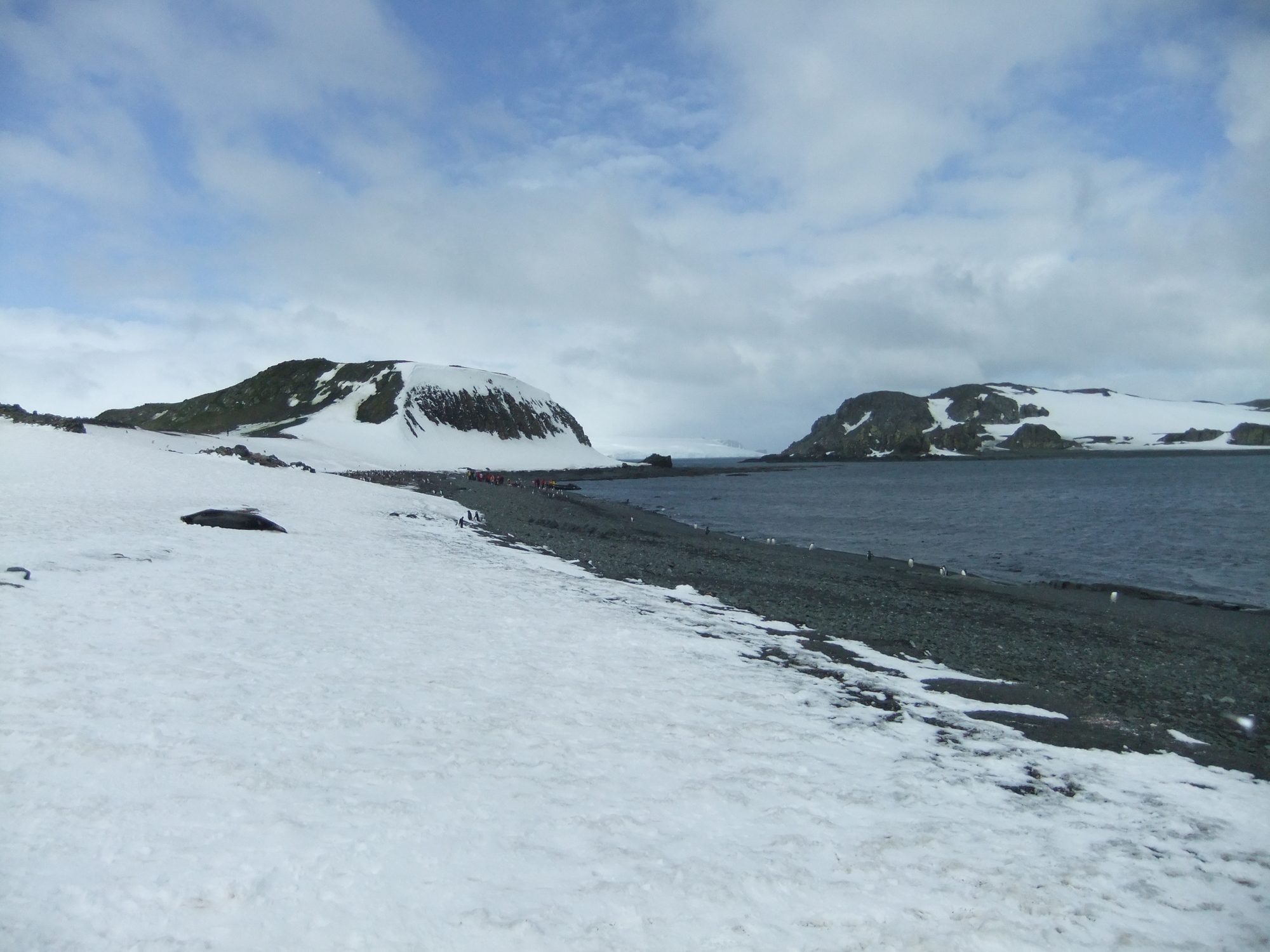
That feeling is never more obvious than on a trip to Antarctica. Reaching the world’s southernmost continent isn’t like visiting anywhere else on the planet. Towering ice, dramatic mountains and wildlife found nowhere else combine to leave an impression that doesn’t fade quickly.
Discovering the wilderness of Antarctica
Antarctica is about as close as travel gets to putting nature entirely in charge. Enormous glaciers, icy waters and wildlife adapted to conditions most of us can barely imagine make for a landscape that still feels genuinely untouched.
For a lot of people, the real highlight is the animals. Penguins crowding the shoreline, seals hauled out on ice floes, whales surfacing nearby, these aren’t things you tick off a list so much as moments that catch you off guard. And there’s more to it than just spectacle; seeing a place this fragile up close tends to leave people thinking harder about how it’s protected.
Trips down to Antarctica are usually built around exploration and learning rather than lounging about. Travellers tend to come away with a much deeper appreciation for the natural world, having spent time somewhere so different from anywhere else they’re likely to have been.

Moving from polar landscapes to Mediterranean shores
Antarctica gives you drama and remoteness. The Mediterranean gives you something else entirely, ancient history, buzzing cities, good beaches and traditions that go back centuries, all within easy reach of each other.
That contrast says a lot about how varied sea travel can actually be. One trip might have you scanning the water for icebergs and wildlife; the next has you wandering old streets, trying local food, or simply sitting by the sea with nowhere particular to be.
Barcelona sums up that Mediterranean mix rather well, culture, creativity and a proper coastal feel all rolled into one city. It’s known for Antoni Gaudí’s wonderfully strange architecture, from the Sagrada Família to the winding paths of Park Güell, but there’s also plenty going on beyond the postcard sights: lively neighbourhoods, excellent museums, and food that blends Catalan tradition with something more modern.
Exploring destinations from a different perspective
Arriving somewhere by sea changes how you experience it. Watching a city’s coastline take shape from the deck builds a kind of anticipation that you just don’t get walking out of an airport terminal.
Plenty of coastal places have been shaped, quite literally, by their relationship with the sea. Ports have always been where cultures collide, goods change hands and new ideas take root, and that history is often still visible in waterfront neighbourhoods, old markets and fishing quarters that have barely changed.
In Barcelona, that connection to the Mediterranean is everywhere you look, the busy harbour, the beaches, the seafront promenades. It’s woven into the identity of the place.
The joy of visiting multiple destinations
Part of the appeal of sea travel is fitting several destinations into one trip without the usual faff of repeated unpacking and connections. You get the novelty of somewhere new each morning while still having a familiar base to come back to each evening.
A single port stop can plant the seed for a future trip, tempting travellers back for longer or on to somewhere nearby they hadn’t thought about before.
For those who like a bit of independence, cruising strikes a decent balance between structure and freedom. Days at sea leave room to relax, read or chat to fellow passengers, while days ashore are yours to explore however you fancy.
Creating stories that last
The journeys people remember are usually the ones tied to a good story, a whale breaching in Antarctic waters, dinner at a tiny Mediterranean restaurant, an afternoon lost in streets steeped in history.
Travel isn’t really about the photos or the list of places ticked off. It’s about the moments that shift how you see things, long after you’ve unpacked and gone back to normal life.
From the hush of Antarctica to the colour of Barcelona’s streets, sailing the world reminds you just how much variety our planet actually holds. Every destination offers something different, and every journey is a chance to find somewhere new.