





A camping getaway sounds relaxing until the packing, setup, meals, weather, and everyone’s different energy levels enter the picture. In Gatlinburg, Tennessee, where the gateway community sits beside one of the country’s most visited national parks, the difference between a smooth trip and a frustrating one often comes down to planning. The goal is not to schedule every hour. It is to choose a comfortable base, pack for real conditions, and leave enough flexibility for the trip to feel like a break rather than another project.
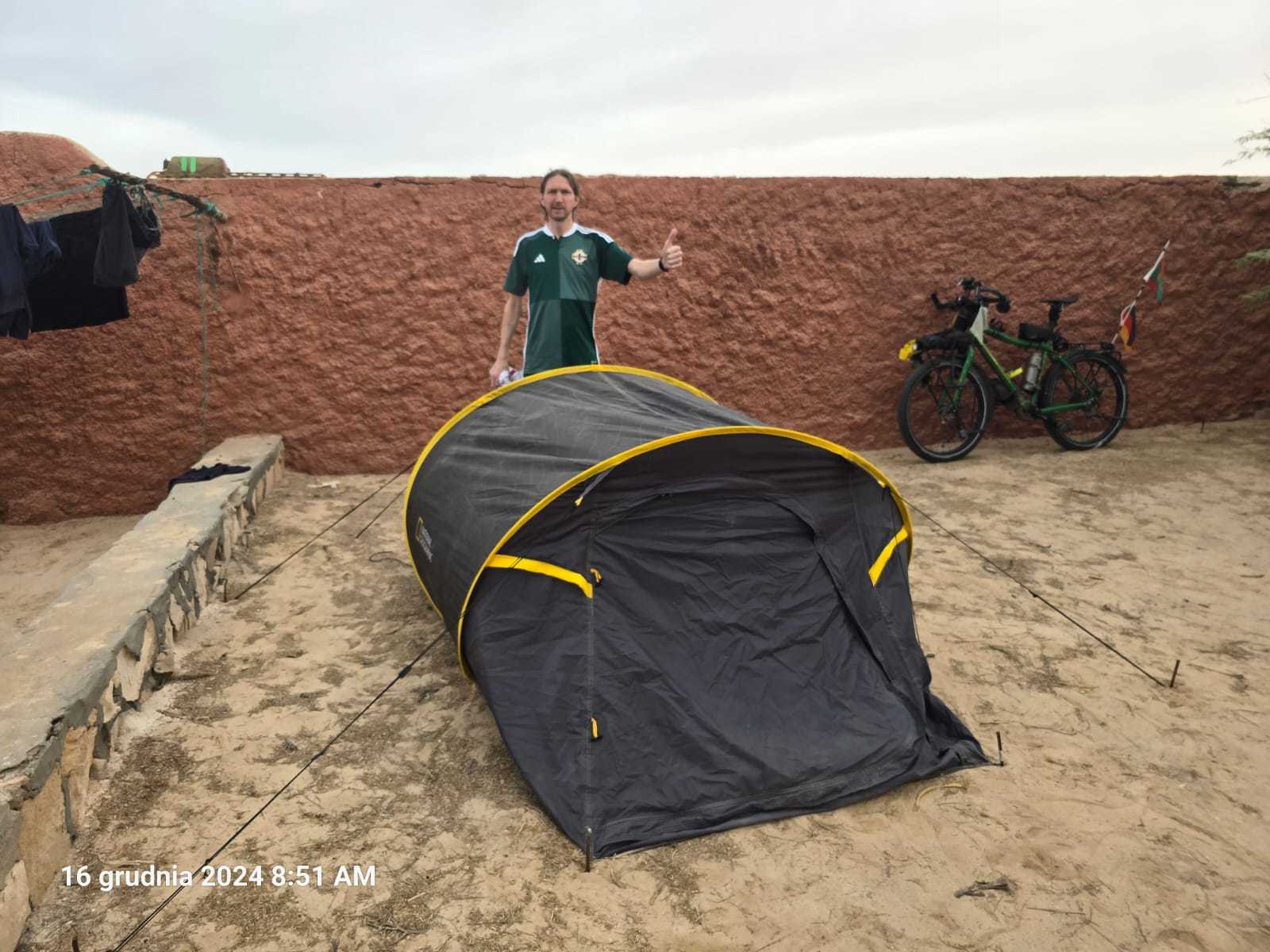
Backpacking In Mauritania 🇲🇷: Camping ⛺️By The Atlantic Ocean 🌊 At Villa Maguela In Nouadhibou
Choose a Home Base That Matches Your Comfort Level
Not everyone means the same thing when they say they want to go camping. One person may picture a basic tent and sleeping bag, while someone else is hoping for a real bed, electricity, and easy access to amenities.
That is why the campground should match the people traveling.
If you’re looking for a campground in Gatlinburg TN, Greenbrier Campground offers a mix of tent sites, full-hookup RV sites, camping cabins, and bell tents, giving families different ways to enjoy the outdoors without giving up useful comforts. With amenities such as a private swimming area, fishing access, a playground, game room, and laundry facilities, it can work well for groups that want both outdoor time and practical convenience.
A flexible mix of accommodations can make group trips easier because nobody has to pretend they enjoy the same level of roughing it.
Pack for Weather, Comfort, and Easy Access
Camping becomes much easier when frequently used items are simple to reach.
Keep rain gear, flashlights, water, bug protection, first-aid supplies, and extra layers somewhere accessible instead of burying them under luggage. Weather can change quickly, so a light jacket and dry backup clothing are worth the space even when the forecast looks friendly.
Practical camping advice for families also emphasizes choosing a campsite with useful comforts and planning for rain before leaving home.
Use bins or bags by category so everyone knows where food, clothing, toiletries, and outdoor gear belong. The less time you spend searching for basics, the easier camp life feels.
Give Each Day One Main Plan
A camping trip does not need a packed itinerary to feel worthwhile.
Choose one main outing for the day and keep everything else flexible. That could mean a longer morning activity followed by several quiet hours at camp, or a slow start before heading out later.
The advantage is simple: if everyone is tired, the schedule still works.
A lighter plan also gives you room to react to weather, unexpected closures, or something that ends up taking longer than expected.
Trying to fit too much into every day often creates the exact rush people were hoping to escape by going camping in the first place.
Keep Meals Simple Enough to Enjoy
Camp meals should support the trip, not dominate it.
Breakfast can stay easy with oatmeal, fruit, eggs, or cereal. Lunches can be sandwiches, wraps, or other foods that do not require much cleanup. Save more involved cooking for one evening when everyone actually wants to spend time around the campsite.
Prepare ingredients at home when possible. Chopped vegetables, portioned snacks, and ready-to-cook meals reduce the amount of work after arrival.
If children are coming, let them help with small jobs. One can organize snacks, another can refill water bottles, and someone else can help keep the picnic table clear.
Those routines make the campsite feel organized without turning the vacation into a chore chart.
Build Downtime Into the Trip
One of the easiest mistakes is assuming every open hour needs another activity.
Family travel tends to work better when everyone has a chance to slow down. Building downtime into a family vacation can help children and adults recharge instead of moving constantly from one plan to another.
At camp, downtime does not have to mean boredom.
People can swim, play cards, read, take a walk, or simply sit outside. Younger children often create their own games once they have some space and freedom.
Those slower periods can become some of the most memorable parts of the trip.
Make the Campsite Part of the Experience
Do not treat the campsite as somewhere you only return when it is time to sleep.
Leave at least one evening open for a slower routine. Play a game, sit outside, make dessert, or simply let everyone relax without another destination waiting.
That time matters because camping gives families something many vacations do not: a natural reason to stop moving.
If the campground offers a pool, playground, games, or other amenities, use them. You already chose a property with those features, so let them carry some of the entertainment load.
A relaxing afternoon at camp may do more for the trip than another rushed outing.
Plan for Different Energy Levels
Family groups rarely move at the same pace.
Some people wake up early and want to get going immediately. Others would rather have a slow breakfast and ease into the day. Children can be full of energy one moment and completely finished the next.
Build around those differences instead of fighting them.
Give people permission to sit out an activity or spend extra time at camp. One part of the group can head out while another rests and rejoins later.
That flexibility becomes especially useful when the trip includes first-time campers, younger children, or older relatives.
Shared time matters, but it does not require mandatory togetherness every minute.
Prepare for Plans to Change
Outdoor trips work better when the backup plan is obvious.
Rain, heat, traffic, or simple fatigue can change what everyone feels like doing. Check the forecast each evening and adjust before the next morning rather than waiting until everyone is ready to leave.
Bring a few low-effort activities for poor weather, keep extra snacks available, and avoid building a schedule where one cancellation ruins the entire day.
Flexibility is not evidence that the plan failed.
It is part of outdoor travel. Some of the best memories can come from the afternoon that turned into games under cover or the evening everyone stayed at camp because nobody felt like going anywhere else.
Keep the Setup Organized From the Start
A small amount of organization on arrival can save time every day afterward.
Choose a place for shoes, wet gear, flashlights, food, and toiletries. Keep the things everyone uses most often where they can be reached without digging through bags.
Do a five-minute reset each evening.
Throw away trash, refill water, repack day bags, and put wet items somewhere they can dry. That small routine keeps clutter from taking over the site and makes mornings much easier.
You do not need military-level organization. You simply want enough structure that everyone can find what they need without asking the same question six times.
Let the Trip Be Simpler Than You Planned
A successful camping trip does not depend on perfect weather, ambitious activities, or a flawless packing list.
It depends on whether the group feels comfortable enough to enjoy where they are.
Choose a campground that matches your needs, keep food manageable, build one main plan into each day, and leave room for people to rest. Expect a little dirt, a forgotten item, and at least one change of plans.
Those things are not signs that the trip went wrong.
When the logistics stay simple, camping starts to deliver what people usually wanted in the first place: time outside, fewer distractions, and enough breathing room to feel like they actually got away.