





Most travelling teaches you something, but the Camino de Santiago experience is quite different to any other holiday. This journey is steeped in history and culture at every step, and each day brings a new chance to learn something unexpected.
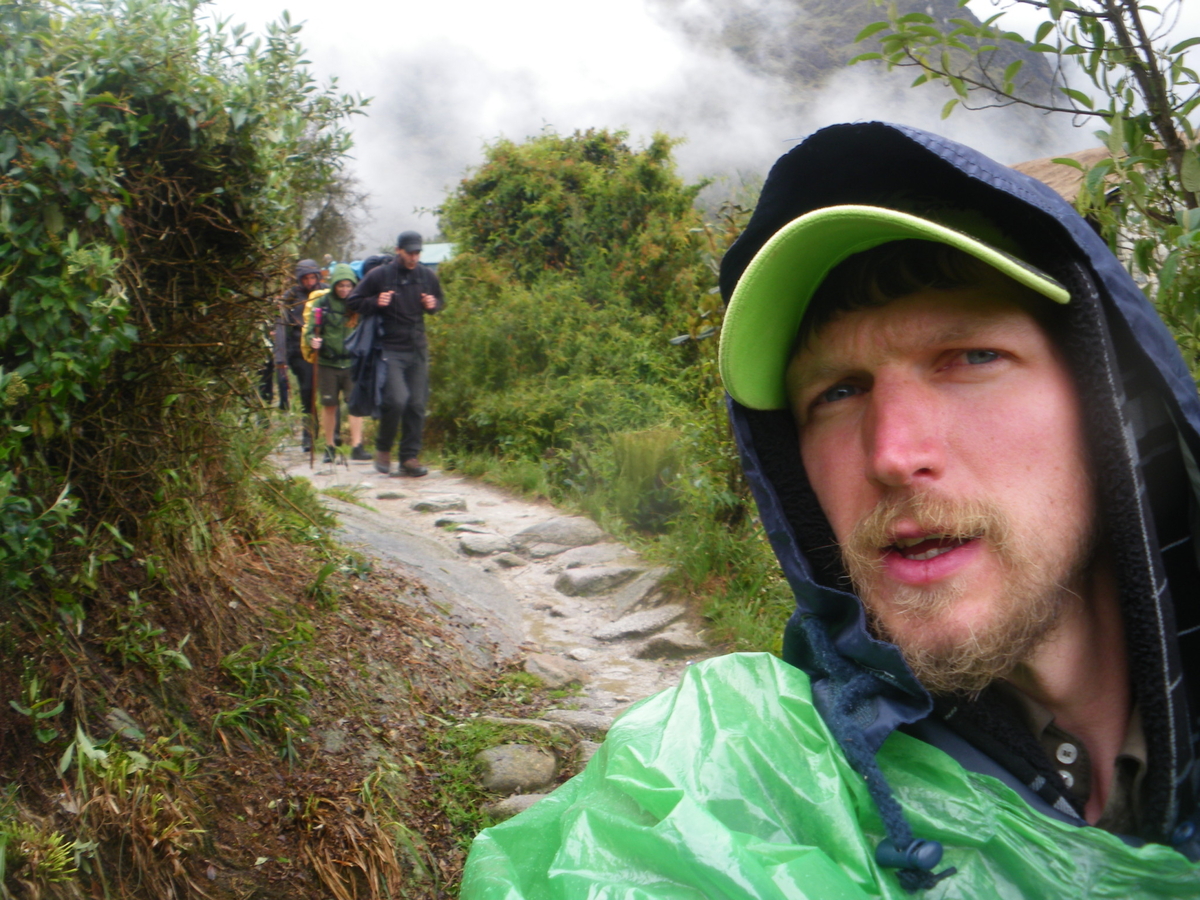
How walking the Camino de Santiago becomes a learning experience
The ancient heritage of the route
The very reason these paths exist in the first place is intertwined with history. Legend has it that the first Camino was completed back in the 9th century, when a shepherd discovered a tomb believing it was holding the remains of Saint James, one of the Twelve Apostles of Jesus. King Alfonso II himself walked 320 kilometres from Oviedo all the way to Santiago de Compostela to verify the rumors, after which he ordered a chapel to be built. This marks the very first route of the network, known as Camino Primitivo or the Original Way.
King Alfonso’s journey has inspired many others to take the spiritual route to the tomb, which has also led to new Camino de Santiago routes developing across the country – each with a different starting point, but united by the same goal. Over time, the network became so significant that it attracted even pilgrims from other European countries, hence the development of routes such as Camino Ingles (the English Way). In 1993, the route was listed as a World Heritage Site by UNESCO.
So, walking these paths today means walking through that accumulated weight of history, whether you’re doing it for spiritual and religious reasons like the original pilgrims or simply as a personal challenge.
Every village becomes a classroom
Beyond its heritage, Camino de Santiago is also a living classroom, teaching you about the local history, architecture and culture. Along the trail, you may visit Romanesque churches, Gothic cathedrals, Roman ruins, medieval bridges, ancient stone villages and other mind-blowing landmarks. And, you certainly don’t need six weeks to tick most of those off your list. Even the shorter stretches, like the popular Camino Frances from Sarria, is known for its great density of historically-significant attractions.
Let’s not forget about the cultural learnings too. Walking along the Camino is a slow and highly immersive way to explore a country. Instead of just jumping from one big city to the next, you get to visit the smaller villages in-between. Step by step, you will notice the subtle shift in local foods, regional accents and community traditions and customs. You’ll eat in small, family-run restaurants that have been passing on their recipes for generations, as well as have chats with locals from all walks of life. None of this is staged for tourists – it’s simply there, the way it has always been.
Personal lessons as the cherry on top
As if the historical and cultural richness is not enough, the Camino de Santiago experience offers some meaningful, personal lessons too. This journey teaches you how to strip away the modern distractions and reduce life to the very basics: walking, eating, resting, repeating. It also reveals the inner resilience you have, your ability to push forward even in moments of physical and mental fatigue. Yes, it really is a journey of many discoveries!