





Landmannalaugar and Thorsmork sit in Iceland’s interior, and the only way to drive to either is over F-roads. Route F208 runs to Landmannalaugar. Route F249 goes into Thorsmork, and it includes unbridged river crossings.
That single fact decides your rental. F-roads are restricted by law to four-wheel-drive vehicles, so the question isn’t whether you need a 4×4. It’s which 4×4 suits your group, your gear, and how far into the highlands you’re actually going.
Below are the camper types that can make these drives, the one booking mistake that ends the trip before it starts, and the timing rule that matters as much as the vehicle.
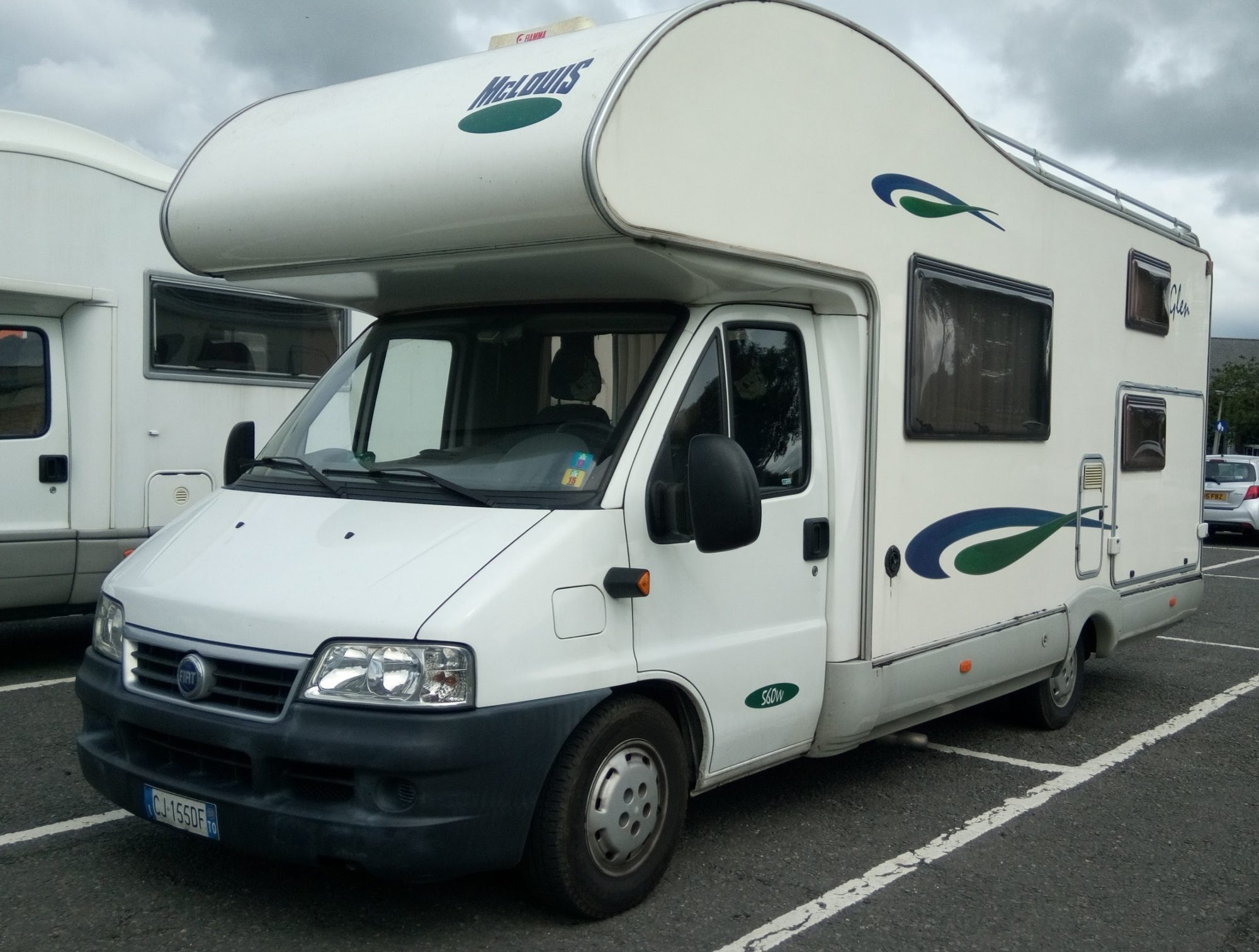
What to know before you buy a Campervan
Rule One: Only a Genuine 4×4 Can Legally Make Either Drive
Start here, because nothing else matters if you get this wrong. Both routes carry an F prefix, and Icelandic law limits F-roads to four-wheel drive. There’s no weather exception and no seasonal one.
What you want is an engageable four-wheel-drive system, not a setup that quietly assists on a wet road. Clearance isn’t written into the rule, but it decides whether you clear the ruts and the water once you’re past the junction.
Your rental agreement has to permit F-road driving too, which is a separate thing from the vehicle being capable. Comparing operators is easier when the highland tier is listed on its own, and a 4×4 camper rental Iceland company like Rent.is groups those vehicles separately so you can see at a glance what’s approved for F208 and F249.
The Compact 4×4 With a Rooftop Tent: Best for Two
For a couple or a pair of travelers, the smaller 4×4 camper with a rooftop tent is usually the right call. A narrower vehicle is genuinely easier to place on a rutted track, and it’s less nerve-wracking when you’re picking a line through moving water.
Sleeping goes on the roof rather than inside, which frees the cabin for everything else. Photographers tend to like that arrangement, since camera bags, tripods, and wet layers can live below while the bed stays made up.
The trade-off is living space. There’s no standing room and no indoor kitchen, so if you’re the sort of traveler who wants to sit out a rainy evening in comfort, look at something larger.
The Larger 4×4 Camper: Best for Small Groups and Longer Highland Trips
Once you’re three or four people, or you’re staying in the interior for several nights rather than one, the bigger 4×4 makes more sense. You get more storage, more capacity to carry food and water between resupply stops, and more room to spread out when the weather turns.
That matters more in the highlands than on the coast. There’s no gas station at Landmannalaugar, and once you’re in, you’re in.
Heating is worth asking about specifically. Interior nights get cold well outside of winter, and if you’re planning early or late season, ask the rental company what heating the vehicle has before you book.
The Best Landmannalaugar Camper Is the One That Matches the Harder Route
Here’s the part people miss. F208 and F249 are not equivalent drives.
Landmannalaugar can be approached from more than one direction, and the northern approach is generally the gentler one. Thorsmork is the harder trip, because F249 crosses rivers without bridges and those crossings change with rainfall and glacial melt through the day.
So pick your vehicle for the toughest section of your itinerary, not the destination that made you want to go. If Thorsmork is on the list, that’s the drive setting the requirement. If you’re not confident about river crossings at all, the scheduled highland buses run to both areas and there’s no shame in using them.
The Mistake That Ends the Trip: Booking a 2WD Camper First
The most common planning error is booking the camper first and building the route afterward. A standard 2WD campervan is fine for the Ring Road and can’t legally go anywhere near F208 or F249.
Size doesn’t rescue it either. A large 2WD van has no more right to an F-road than a small one, and it’s harder to recover when it stops moving.
Recovery is the expensive part. Getting a stuck vehicle out of the interior can require specialist equipment, and damage from driving where your agreement doesn’t permit it is treated differently from ordinary wear, so read your terms and ask the company directly rather than assuming.
Check the vehicle’s classification before you lock in the itinerary. There’s no workaround based on conditions or how confident you feel behind the wheel.
Timing: Even the Right Camper Can’t Open a Closed Road
Highland routes open once snowmelt and ground conditions allow, generally in early summer, and close again in autumn. The dates move year to year and F208 and F249 don’t necessarily open together.
Road.is publishes current F-road status, and that’s the source to trust over any date you read in a guide, including this one. Check it the morning you plan to drive, not the week before.
Conditions can also close a route mid-season after heavy rain. Build a coastal alternative into your plan so a closure costs you a day rather than the whole trip.
Plan the Route, Then Book the Camper
Both of these drives are within reach for an ordinary traveler with the right vehicle and a bit of patience. The vehicle has to be a real 4×4, the rental terms have to allow F-roads, and the road has to be open.
Work out which routes you’re driving, check them on road.is, and pick a highland camper rental that’s approved for the hardest one on the list. Do it in that order and Landmannalaugar and Thorsmork are straightforward days out rather than a gamble.