





Rome is a city of grand proportions, defined by the sweeping majesty of the Colosseum and the vast expanse of St. Peter’s Square. Yet, the true soul of the Eternal City often lies behind rusted iron gates and heavy wooden doors. These are the secret gardens and hidden courtyards — tranquil oases that offer a respite from the Vespa-clogged streets and the summer heat. Many visitors pass these entrances every day without realizing that a Renaissance masterpiece or a lush botanical sanctuary lies just inches away.
To truly uncover these layers of history, many travelers opt for Rome tours with local guides, as these experts possess the keys — sometimes literally — to spaces that remain invisible to the untrained eye.

Secret Gardens and Hidden Courtyards of Rome You Probably Walked Past
The Silent Splendor of Rome’s Courtyards
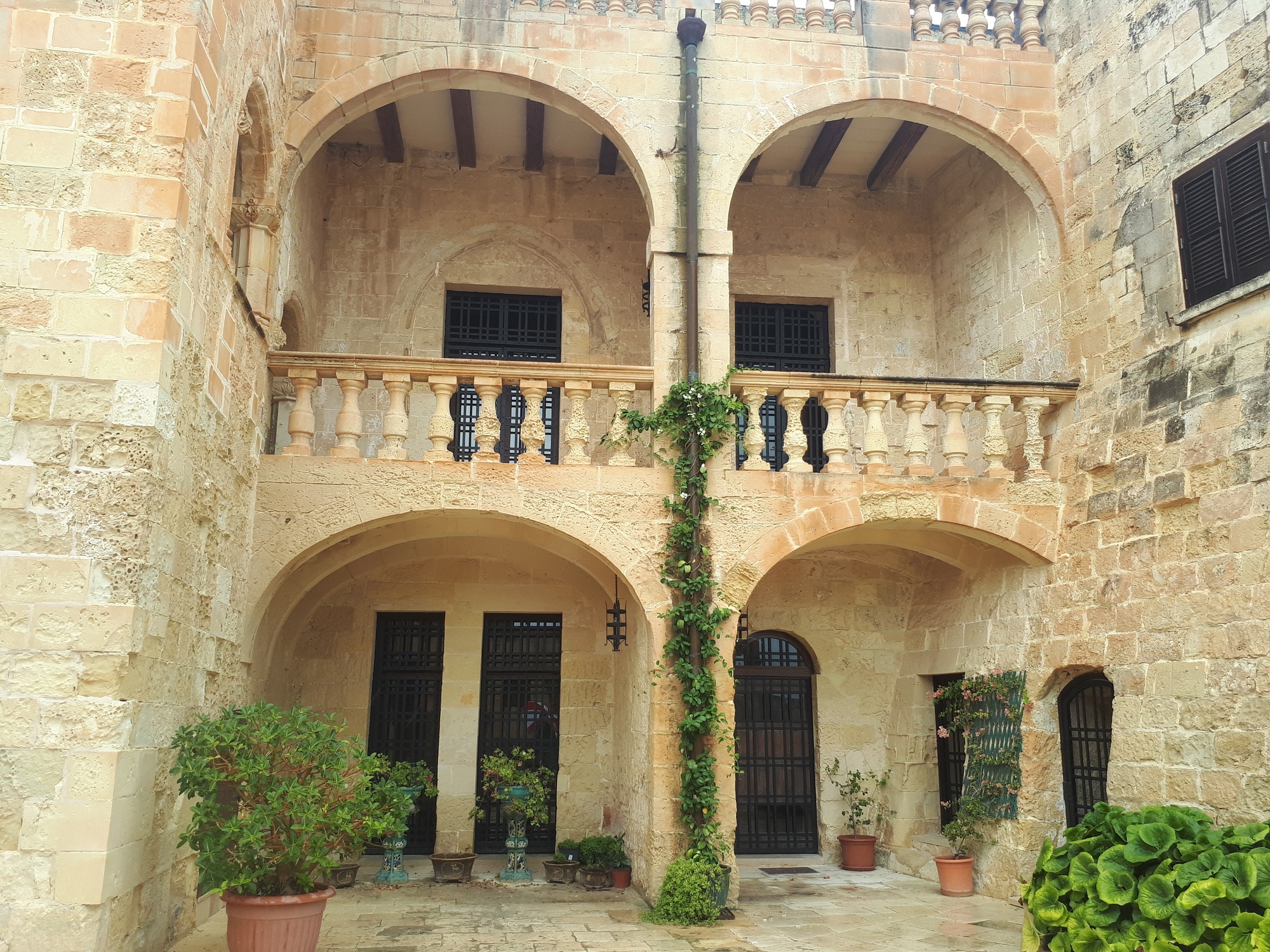
The architectural DNA of Rome is inward-facing. Following the tradition of the ancient Roman domus, noble families built their palaces around central courtyards to ensure privacy, light, and ventilation. Today, these spaces serve as time capsules.
Palazzo Spada: A Lesson in Perspective
Located near Campo de’ Fiori, the courtyard of Palazzo Spada holds one of the most famous architectural illusions in the world: Borromini’s Perspective Gallery. What appears to be a 37-meter-long corridor lined with majestic columns is, in reality, a mere 8 meters long. The floor rises, the ceiling descends, and the columns diminish in size to create a startling optical trick. At the end of the corridor stands a statue that looks life-sized but is actually only 60 centimeters tall. This courtyard is a testament to the Baroque obsession with drama and the manipulation of space.
Secret Gardens and Hidden Courtyards of Rome You Probably Walked Past
The Bramante Cloister (Chiostro del Bramante)
Tucked away just behind the bustling Piazza Navona, the Chiostro del Bramante is a masterpiece of High Renaissance harmony. Designed by Donato Bramante, the courtyard is defined by its perfect proportions and two levels of elegant arches. While it now serves as a contemporary art space and café, sitting on the upper level with a coffee allows you to look down into a space that has remained virtually unchanged since 1500. It is one of the quietest spots in the Centro Storico, offering a stark contrast to the tourist crowds only a few meters away.
Finding the “Hidden” Rome
The challenge of finding these locations is that many are tucked behind the façades of working institutions or private residences. For instance, the Palazzo Venezia, located right next to the chaotic Piazza Venezia, contains a magnificent inner garden with a fountain and palm trees that many tourists never see because they assume the building is strictly a museum.
To understand the botanical and architectural heritage of these sites, scholars often refer to the records of the Ministero della Cultura (Ministry of Culture), which emphasize how the “stratification” of gardens and courtyards represents the physical evolution of the city’s history. From the ancient Roman ruins found in the basements to the Renaissance courtyards and the Baroque gardens, these spaces are the physical manifestation of Rome’s 2,700-year evolution.
Secret Gardens: Green Sanctuaries in the Concrete Jungle
While Rome is known for the sprawling Villa Borghese, there are smaller, “secret” gardens that feel like private discoveries. These gardens often belonged to aristocratic families or religious orders and have only recently become accessible to the public.
The Garden of the Rome Rome (Orto Botanico)
Located in the Trastevere neighborhood, the Orto Botanico di Roma (Botanical Garden of Rome) is frequently overlooked in favor of the nearby Janiculum Hill. Managed by the Sapienza University, this garden occupies the former grounds of the Corsini Palace. It contains over 3,000 species, including a Japanese garden, a bamboo forest, and a “Garden of Aromas” designed for the visually impaired. It is a sprawling, uphill labyrinth where the noise of the city completely vanishes, replaced by the sound of trickling water from 17th-century fountains.
Villa Aldobrandini: The Hanging Garden
Many people walk past the steep brick walls on Via Nazionale without realizing they are walking beneath a hanging garden. Villa Aldobrandini sits on a raised terrace overlooking one of Rome’s busiest intersections. Because the entrance is somewhat hidden up a flight of stairs on Via Panisperna, it remains largely empty. From the garden’s edge, you can look directly into the remains of the Trajan’s Markets while surrounded by orange trees and camellias. It is perhaps the best place in the city to watch the sunset over the Roman rooftops in total solitude.
The Hidden Gems of the Aventine Hill
The Aventine Hill is the southernmost of Rome’s seven hills and is arguably the most elegant. It is home to several “secret” spots that require a bit of a climb but offer immense rewards.
- The Knights of Malta Keyhole: Located in the Piazza dei Cavalieri di Malta, this is perhaps the most famous “secret” in Rome. When you peer through the brass keyhole of the Priory of the Knights of Malta, you see a perfectly framed view of the dome of St. Peter’s Basilica at the end of a manicured hedge garden.
- The Rose Garden (Roseto Comunale): Open only during the blooming season (usually April to June), this garden sits on the site of an ancient Jewish cemetery. It contains over 1,100 varieties of roses from all over the world. The layout of the paths in the upper section is shaped like a menorah as a tribute to the site’s history.
- The Orange Garden (Giardino degli Aranci): Officially known as Parco Savello, this garden offers one of the most romantic panoramas of the city. Enclosed by medieval walls, the garden is filled with bitter orange trees, providing a fragrant canopy for those looking to escape the midday sun.