





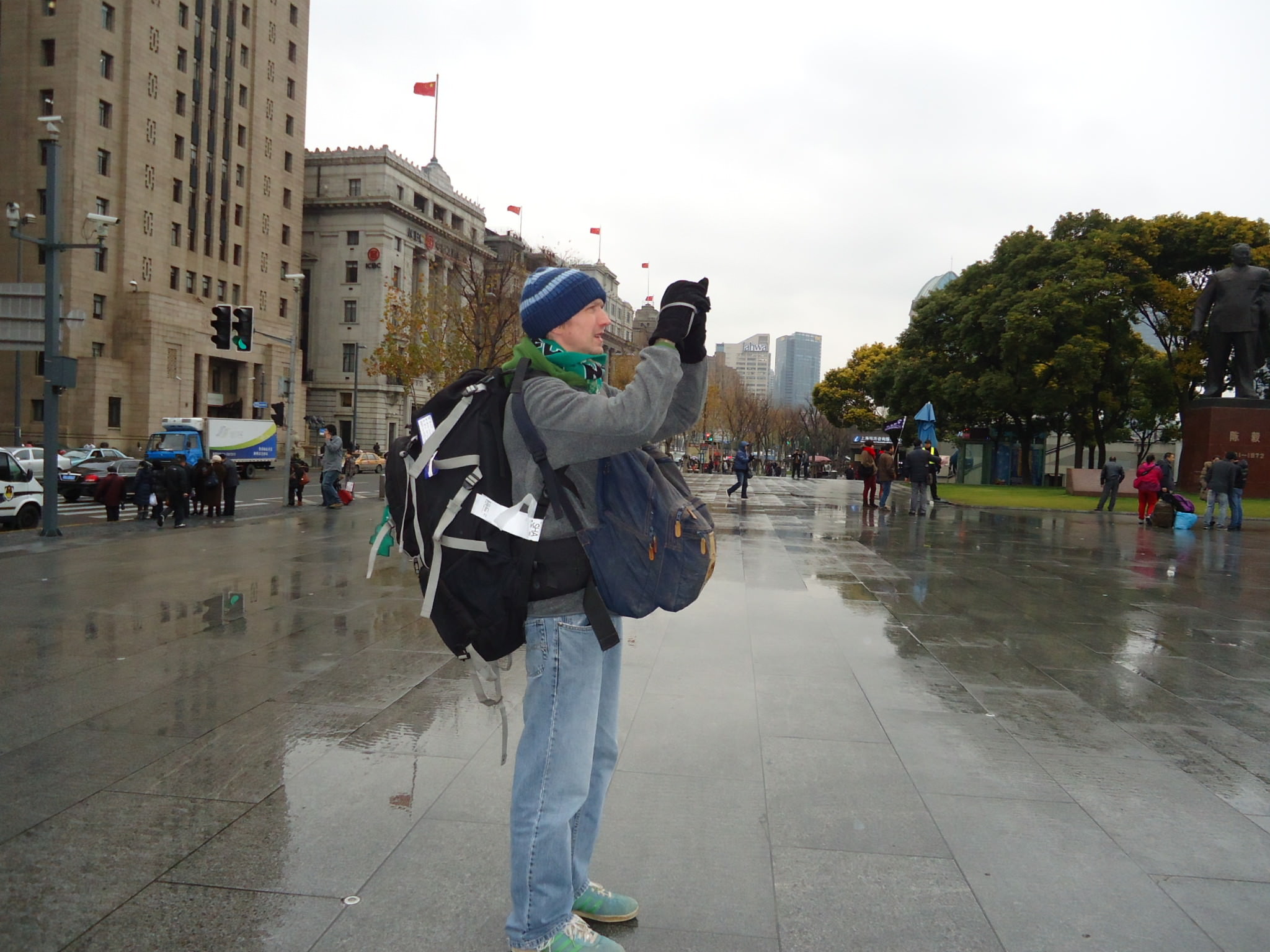
When traveling, most of us want to carry every piece of camera gear possible based on the “what if.” Extra lenses, spare batteries, multiple chargers, a bulky tripod, and your portable toolbox make it into your backpack. And when you carry the bag around for a few hours, you wonder what made you bring the entire set in the first place.
Travel Light, Shoot More: Here’s How to Build a Lightweight Photography Kit
Travel photography becomes more fun and easier to manage when your kit is light. You need to move faster, explore for longer periods, and stay ready at all times in case any unexpected shot appears. Carrying a heavy load can wear you down physically and affect your focus.
That’s why it’s important to carry the right gear with your travel camera so you have more freedom to explore without unnecessary weight. Here are our tips to keep your camera backpack light and travel-friendly.
Build Your Kit Around Your Camera
Your camera is the core part of your photography kit, so choose one that balances portability with capability. A compact mirrorless camera is often the best choice for traveling light because it comes with interchangeable lenses without most of the bulky DSLR setup.
However, specifications are just one key factor. You should also consider how you travel. Are you planning to hike between viewpoints? Or do you want to walk through the streets and photograph people, architecture, or landscapes? You are more likely to use a camera that feels more comfortable in your hand and bag than a heavy one. So, pack a camera that you are happy to carry all day.
Pack One Versatile Lens
Lenses are heavy. Instead of packing the entire set of your camera lenses, pick a versatile zoom. A standard zoom lens can easily cover street photography, wide scenes, portraits, and everyday details. For those who want to travel light, this flexibility is more valuable than carrying multiple specialized lenses for different scenarios.
While packing, choose the lens that matches the primary subject. For instance, a compact 35mm or 50mm equivalent is a great option for taking street shots, portraits, and casual travel photographs without sacrificing too much space. So, before you pack, ask yourself: “What photographs am I unable to take with the lens I already have?” If you have no solid answer, leave the extra lenses in the cupboard.
Don’t Leave Extra Batteries and Memory Cards Behind
Some accessories are worth the weight. And your batteries and memory cards fall into that category. You don’t want to miss the golden hour at a mountaintop just because your camera is out of power. That’s why you should carry at least one spare battery and memory card to give you peace of mind while traveling.
Keep them in an easy-to-reach pocket so you can quickly access them when your battery gives up on you during prime shooting time. What’s even better is if your camera supports USB-C charging. You can use the same power bank that charges your phone to power up your camera. That way, there will be one less piece of equipment in your bag.
Skip the Full-Size Tripod If Possible
Of course, tripods are useful, but they are not essential to capture the best moments. If you take handheld photos while roaming around during the day, your tripod will spend most of its time resting in the backpack. And that’s unnecessary weight. If you genuinely use a tripod for night photography, landscape shots, or long exposures, you may consider a compact one.
Compact, travel-friendly tripods can fold down to the size of a water bottle and are easier to pack and carry around, particularly during long walking tours or hikes. Most importantly, you can comply with location rules, as many museums, indoor viewpoints, and historical landmarks may permit mini or ultra-compact tripods. This will help maximize your creativity and allow you to take beautiful night shots, self-portraits, and smooth videos without adding bulk.
Reduce Fatigue and Enjoy More Freedom With Lighter Kits
The perfect photography kit is not the one with the most equipment. It’s actually the one that gives you enough flexibility to move around without feeling like you are lifting weights at the gym. Therefore, choose a solid camera, add one versatile lens, pack a spare battery and memory card, and include a compact tripod if you absolutely need it. Remember, the lighter your kit becomes, the easier it gets for you to shoot, explore, and enjoy the trip.