





Cuba stands as one of the Caribbean’s most captivating destinations, where vintage cars cruise past colonial architecture and salsa rhythms fill the warm tropical air.

Backpacking in Cuba, after all these years…
However, traveling to this island nation requires more preparation than your typical beach vacation. Understanding the unique aspects of Cuban travel will help ensure your trip is memorable for all the right reasons.
The Dviajeros Card Is Essential
Before you even book your flight, you need to understand the dviajeros Card for Cuba requirement. This digital health declaration, often called the Cuba health form or tourist card extension, must be completed by all travelers entering Cuba. The form collects important information about your health status, travel insurance details, and accommodation plans during your stay.
You can complete the dviajeros form online before departure, which saves valuable time at the airport. The card is separate from your tourist visa and serves as Cuba’s way of tracking visitor health and insurance compliance. Make sure to fill it out accurately and keep a copy of your confirmation, as you may need to present it upon arrival.
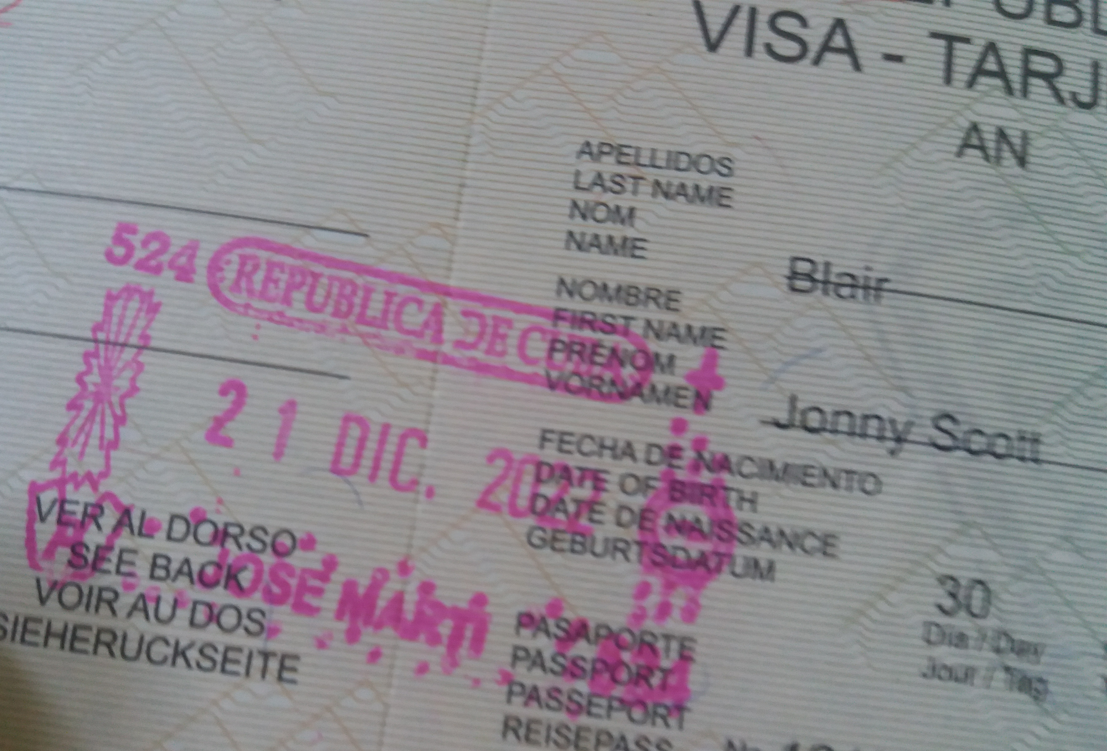
How To Get A Cuban Visa
Two Currencies Still Circulate
Cuba’s currency situation has evolved significantly in recent years, but understanding the monetary system remains crucial for travelers. The Cuban peso is the official currency used throughout the country. While the convertible peso was eliminated in 2021, you’ll still find price variations and exchange rate considerations that can confuse first-time visitors.
Bringing euros or Canadian dollars often yields better exchange rates than US dollars, which carry a penalty fee. Credit and debit cards work sporadically, especially those issued by American banks, so carrying sufficient cash is absolutely essential. Plan to exchange money at official CADECA exchanges or banks rather than informal money changers to avoid scams.

Backpacking In Cuba: Getting Picked Up In A Dodge 56 Vintage Car At Havana Airport
Internet Access Is Limited
If you’re accustomed to constant connectivity, Cuba will feel like stepping back in time. Internet access exists but remains limited, expensive, and often frustratingly slow. Hotels in tourist areas typically offer WiFi, but you’ll need to purchase internet cards or access codes to connect.
Public WiFi parks exist in most cities where locals and tourists gather with their devices to get online. Download offline maps, translation apps, and any essential information before arriving. Consider this digital detox an opportunity to fully immerse yourself in Cuban culture without the constant distraction of notifications and social media updates.
Travel Insurance Is Mandatory
Cuba requires all visitors to have valid travel insurance that covers medical expenses during their stay. This isn’t merely a recommendation but a legal requirement that immigration officials may check at the airport. Your policy must specifically cover healthcare in Cuba, as standard policies sometimes exclude certain countries.
Many travelers purchase their insurance when obtaining their tourist visa, which often includes basic coverage. However, reviewing the coverage limits and considering supplemental insurance for valuable items, trip cancellations, or emergency evacuations makes sense. Keep your insurance documents easily accessible throughout your trip, as hotels and medical facilities may request proof of coverage.
Casa Particulares Offer Authentic Experiences
While international hotel chains have established footholds in Havana and major resort areas, casa particulares provide the most authentic Cuban accommodation experience. These privately owned homestays allow you to live like a local, enjoy home-cooked meals, and receive personalized recommendations from your hosts.
Casa particulares are marked by blue anchor symbols on their doorways and offer incredible value compared to hotels. Your hosts often become informal tour guides, sharing insights about neighborhoods, arranging transportation, and connecting you with trustworthy local services. Booking in advance for popular destinations is wise, though spontaneous travelers can usually find available rooms by walking through residential neighborhoods.
Transportation Requires Planning
Getting around Cuba demands patience, flexibility, and advance planning. The famous vintage American cars function as colectivos or shared taxis for both tourists and locals. Viazul buses connect major tourist destinations reliably, but you should book tickets several days ahead during peak season.
Renting a car provides independence but comes with challenges including poor road conditions, limited signage, and sporadic gas station availability. Domestic flights connect Havana with destinations like Santiago de Cuba and save considerable time. Whatever transportation method you choose, expect delays and build buffer time into your itinerary to avoid disappointment.

Backpacking In Cuba: My Quirky, Arty Stay At Malecon 663, The Trendiest Hotel In Havana
Cuban Cuisine Differs From Expectations
Cuban food tends toward simple, hearty fare rather than the spicy, complex flavors many visitors anticipate. Rice, beans, pork, chicken, and root vegetables form the backbone of most meals. State-run restaurants often serve uninspired food, while paladares or private restaurants offer more creative and flavorful dining experiences.
Fresh produce availability varies by season, and vegetarians may find limited options outside major tourist areas. Rum is excellent and inexpensive, as is Cuban coffee, which locals drink strong, sweet, and in tiny cups throughout the day. Embrace the simplicity and seek out local recommendations rather than expecting gourmet international cuisine at every meal.
US Citizens Face Additional Restrictions
American travelers must navigate extra regulations when visiting Cuba due to ongoing diplomatic tensions. While travel is legal under specific categories including support for the Cuban people, educational activities, or family visits, tourism technically remains prohibited for US citizens.
Americans must maintain detailed records of their activities and expenditures for five years after returning home. Spending money at military-controlled businesses is restricted, though determining ownership can prove challenging. Despite these complications, thousands of Americans visit Cuba annually by selecting an appropriate travel category and following the guidelines carefully.
Bring Everything You Might Need
Cuba’s supply chain limitations mean common items taken for granted elsewhere may be unavailable or extremely expensive. Pack sufficient quantities of medications, toiletries, sunscreen, and any specific products you rely on daily. Pharmacies stock basic medications but may lack specific brands or formulations.
Bringing small gifts like soap, school supplies, or over-the-counter medicines allows you to show appreciation to helpful locals or casa particular hosts. Quality toilet paper, wet wipes, and hand sanitizer prove invaluable throughout your journey. Think of packing for Cuba like preparing for a camping trip where you can’t simply run to the nearest store.
The Culture Will Captivate You
Cubans demonstrate remarkable warmth, humor, and resilience despite economic hardships most visitors can barely comprehend. Learning basic Spanish phrases enhances interactions immeasurably, though many Cubans working in tourism speak some English.
Approach your visit with cultural sensitivity, realistic expectations, and openness to experiences that challenge your assumptions about how societies function.