





My Asian adventures have been wild and varied and to be honest about 70% of them were done before I even owned a Smartphone, or knew how to use one. For example, the first time I backpacked through Japan was in 2012, and even my old Hong Kong based phone at the time didn’t have a camera option! Now it would be impossible to go backpacking in Asia without a Smartphone so it is vital that you get the best esim for Japan. So if you have booked a trip to the land of the rising sun, this article should hopefully help you when choosing your prepaid esim japan.
Backpacking In Asia: Best Esim Card When Touring Japan
Best eSIM for Japan: Complete 2026 Buyer’s Guide
Introduction
The internet can be a massive place to start looking when you have decided to buy esim for japan, so read on to find out the best way to do it and ensure you have the best esim for japan.
The struggle of staying connected in Japan means you are best to get in early and have an eSIM ready to go on your nuts backpacking adventure through this marvellous country. The idea of having an unlimited data esim Japan is so appealing as you can stay online your whole time whilst whackpacking the sights of Tokyo, Sapporo and Hiroshima.
While weighing up the options for your japan esim, I will look at some companies that offer this so you get a good idea what to expect. Both in terms of price and quality of course to keep you online and able to load websites fast.
Why Use an eSIM in Japan Instead of a Physical SIM?
First of all we need to know the difference between an eSIM and a physical SIM, not my strong point generally but after some reasearch, I got into it. In short, as far as I can tell, a physical SIM is the small plastic card you insert into your phone, you slip the card into your phone. It has your user identity that is used by your mobile network. Easy to slide in and even move to another phone. They usually work with almost all phones and no internet connection is actually needed to activate it. However, it can be lost or damaged easily since it is physical.
On the other hand, an eSIM is different and comes with some textbook advantages over the physical SIM. The letter E in E SIM, actually stands for Embedded SIM. An eSIM is a digital SIM built into the phone’s hardware. There is no removable card. You scan a QR code or download a carrier profile to start it all off. The mobile plan for this is basically stored electronically in the device. Quite a simple wee trick. You can store multiple carrier profiles. And of course it is great for travel, especially when backpacking Japan away.

Money ready for backpacking in Japan
As it is an ESIM, it means you avoid airport queues, can activate it instantly, no need to “SIM-swap”. It is kind of like a “pocket WiFi” in fact, so ideal for short-term travel or even overlanding whackpacking.
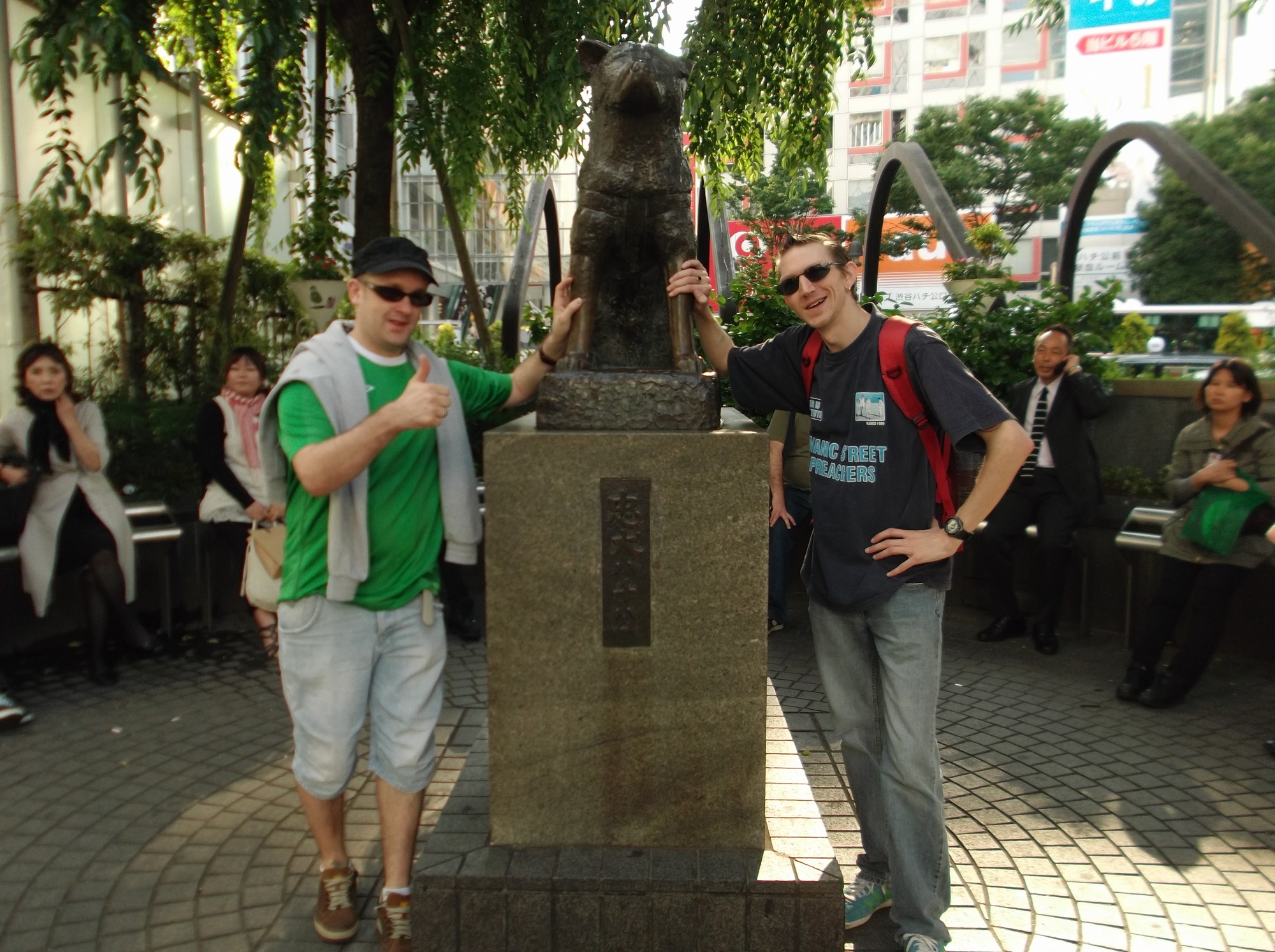
Backpacking in Japan: The dog of Tokyo
What to Look for in the Best eSIM for Japan
To find the best one, you need to do some online comparisons. Look at things like covergae (Docomo vs SoftBank networks) and of course data limits vs unlimited data. Know what you want first before honing in on the brand you will choose.
Other keys things to weigh up in the decision process would be the eSIM’s validity period, the tethering support and the key one for the cheapskate nuthead backpackers – the price per GB (gigabyte).
You also want one that is easy to set-up. I am a whackpacking simpleton and hate technical stuff, so an easy set-up is what I need. Finally, I would also welcome one with a good customer support option, just in case anything goes wrong as I am munching sushi in downtown Osaka.
Best eSIM Providers for Japan (Detailed Comparison)
Now we know what we want for a prepaid esim japan, let’s look at the best eSIM providers for Japan.
Airalo – Best Budget Option
Airalo is a mobile app that sells eSIM data plans for travellers, whackpackers and general tourists. Here’s a wee bit on why it is the supreme budget option for you. You see, instead of nutspackers buying a physical SIM card when you arrive in a new country, you just download a digital eSIM directly to your phone through the app. Airalo is cool, modern and popular. They partner with local mobile networks around the world to offer affordable prepaid data packages in more than 200 countries, micronations and regions. You can even use it in Seborga!
Users install the eSIM by scanning a QR code or activating it in the app, which usually takes only a few minutes, result especially for buck eejits like me! Most plans are data-only, meaning they provide internet access but not local phone numbers for calls or SMS and stuff like that. Airalo is popular with nuthead travel bloggers, graphic designers, tourists, digital nomads, and business travellers because it helps people like us avoid expensive international roaming charges.
Holafly – Best for Unlimited Data
Onto Holafly which is actually great for unlimited data. Holafly is a company that also provides international eSIM data plans for travellers. Founded in 2017 in Spain (Valencia loyal), it sells digital SIM cards that allow people to access mobile internet in many countries without needing a physical SIM card. Bob’s yer uncle. Users purchase an eSIM online and install it on their phone by scanning a QR code or activating it through the app. Once activated, the phone connects to local mobile networks in the destination country, in this case we will be touring Japan. It then allows backpackers to use apps, maps, and messaging services even on the Shinkansen trains. Holafly is your cool new buddy and I’d love to test it out. I read that they offer plans in over 190 destinations worldwide, often with unlimited data options and no roaming fees, so Japan is a cert which make it smooth for all of youse. It is popular with tourists, digital nomads, whackpacking bloggers and business travellers who want easy internet access while abroad without swapping physical SIM cards.
Ubigi – Best for Network Reliability
Ubigi is another wee option for you as you are planning Japan. This one is a global eSIM connectivity service that provides mobile data plans for travellers, remote workers (which was of course useful during COVID mental days), and connected devices. Developed by the telecom company Transatel, part of NTT Group, Ubigi allows users to connect to mobile networks in more than 200 countries (including all those less-recognised countries like Ladonia) worldwide without needing a physical SIM card. Users install an eSIM on their smartphone, tablet, or laptop and purchase prepaid data plans through the Ubigi app, sounds sweet to me. The service works by connecting to strong local partner networks, including major operators that we have heard of, such as Orange, Vodafone (who once sponsored Man United), T‑Mobile, and AIS, which helps deliver reliable 4G and 5G connectivity in each destination you whackpack through. Because of these partnerships and its own telecom infrastructure, Ubigi can provide stable, near-local data speeds and seamless international coverage for backpackers without roaming charges, key part for me.
Nomad – Best Flexible Data Plans
In true “Ronseal style”, the old Nomad eSIM is a travel eSIM service that provides mobile data plans for international travellers, doing EXACTLY what it says on the tin. The quirky platform allows users like you and me to download a digital SIM to their phone and connect to local mobile networks all around the world to like 200 countries odd, without buying a physical SIM card. Nomad focuses on short-term and mid-range data options, making it popular for holidays, business trips, and remote workers, of course including blogs like mine and Ikimasho. Plans typically range from 1 Gigabyte for 7 days to larger bundles lasting 30 days or longer still, depending on your latest whackpacking destination and your own data needs. The service is data-only, meaning it does not include traditional phone calls (becoming archaic actually with video chats now!) or SMS, but users can make calls and send messages through apps like WhatsApp, Facebook or FaceTime using the internet connection. Nomad is known for flexible pricing, easy installation, and transparent prepaid plans for proper kick-ass nomads worldwide.
eSIM vs Pocket WiFi in Japan
Why choose eSIM?
- No device to carry or return
- Connects directly to Japanese networks like Docomo, KDDI, or SoftBank
- Often faster and cheaper for solo travellers
- Quick activation via a wee QR code
- Best for: whackpackers, backpackers, travel bloggers, solo travellers, lovey dovey couples, short trips, digital nomads.
Why choose Pocket WiFi?
- One device can connect you to several phones, tablets or laptops
- Often offers very high or unlimited data
- Can be cheaper if split between multiple people
- Best for: families, groups, people with many devices.

Neil and I at Kizuna Sushi restaurant in Tokyo, JAPAN
How to Set Up an eSIM for Japan (Step-by-Step wee guide)
1. Check phone compatibility
To kick off, you will have to read up like I have done and sort some things out for yourself. I’d say make sure your phone supports eSIM and is unlocked. Many modern devices like the Apple iPhone 15 (whatever bloody number that mental company are on now!) or Google Pixel 8 already include eSIM capability. You can usually confirm this in your phone settings or on the manufacturer’s website, if you know how!
2. Purchase an eSIM plan
Choose a Japan data plan from a provider such as Airalo, Ubigi, Nomad eSIM, or Holafly – your gateway to whackpacking Osaka. After purchase, you will receive a QR code and installation instructions and you are ready to munch sushi and watch sumo…
3. Scan the QR code
The next step is probably to open your phone’s Mobile/Cellular settings, select Add eSIM (or Add Mobile Plan), and scan the QR code provided by the eSIM provider. This installs the digital SIM profile getting you almost ready to go.
4. Enable roaming
Turn on data roaming for the eSIM line on your latest phone. This allows your phone to connect to Japanese networks once you arrive, so you will be ready to go.
5. Test before departure
It is kind of important that you test it right?! Install the eSIM before leaving home and confirm it appears in your settings. Activate it when you land in Japan to ensure your internet connection works immediately, happy days and glory days loyal.
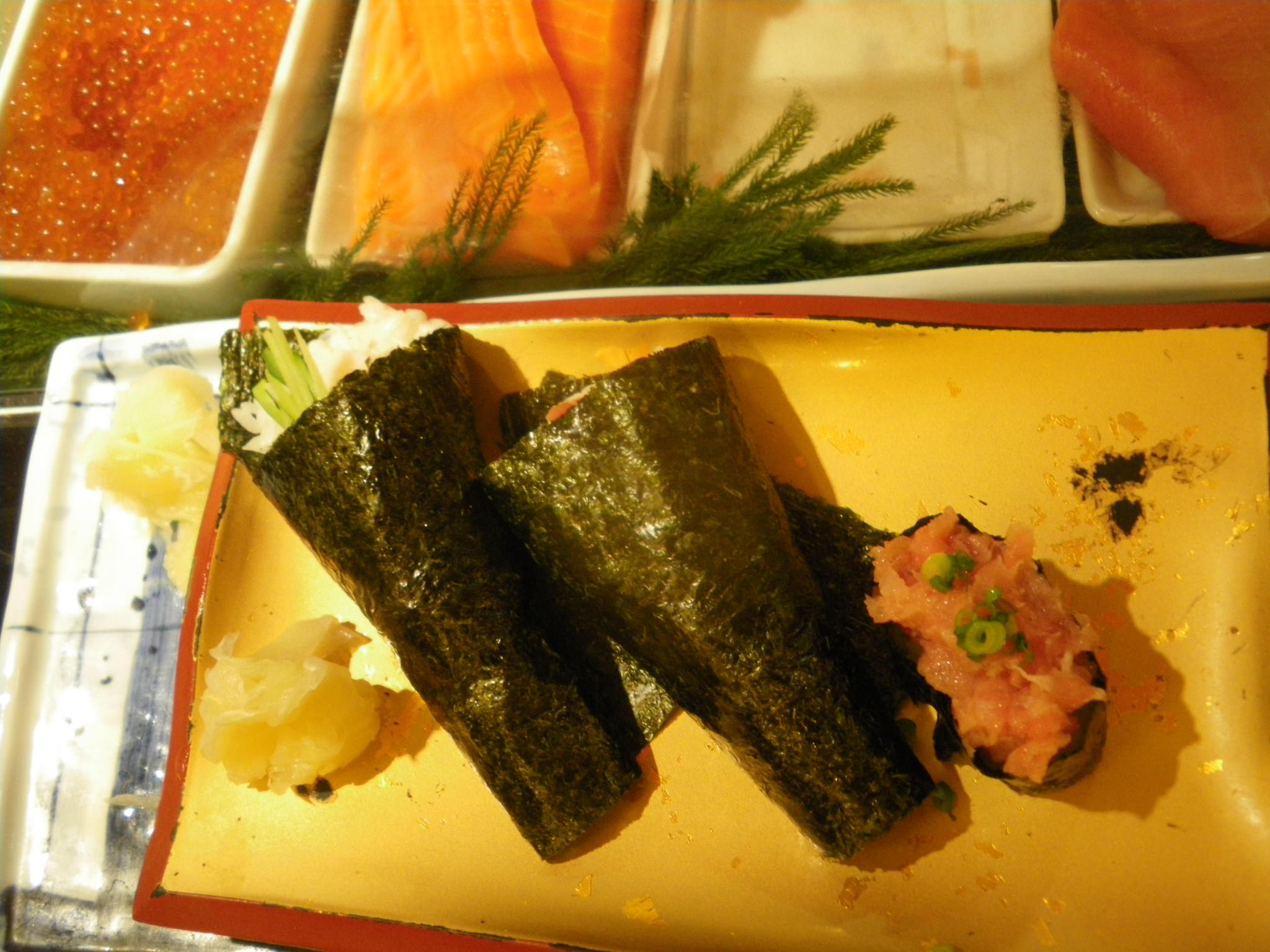
Friday’s Featured Food – Sushi in Tokyo, JAPAN
FAQs About Using eSIM in Japan
FAQs is Frequently asked questions so here are a few final wee pointers before nabbing that eSIM and travel blogging Japan…
1. Does eSIM work everywhere in Japan?
Yes, I would say so and like to think so – welcome to 2026…eSIM services usually connect to major Japanese networks such as NTT Docomo, KDDI, and SoftBank. Coverage is excellent in cities like Tokyo, Kyoto, and Osaka, and generally reliable across most of the country – test it yourself and you will love it, same like many of my backpacking trips. Very remote mountain or rural areas may have weaker signals of course and don’t be hiking Mount Fuji expecting to be TikToking from the peak! Or whackpacking Hiroshima and Nagasaki being Twitter loyal.
2. Can I use 5G with an eSIM in Japan?
Yes, many eSIM providers offer 4G and 5G connectivity if your phone supports it – Japan was pretty advanced when I backpacked it and I am sure it continues to be. Newer devices like the Apple iPhone 15 or Samsung Galaxy S24 can access 5G where it is available.
3. Is “unlimited data” really unlimited?
Often it is technically unlimited, but many providers apply a fair usage policy, kind of what us tourists get used to. This means speeds may slow down after using a certain amount of high-speed data in a day, well it is what it is everyone.
4. Can I keep my WhatsApp number?
Yes of course you can – that is the point! Apps like the popular mates group connector – WhatsApp remain linked to your existing phone number, even if you switch to an eSIM for data while travelling.
5. What happens if I run out of data when backpacking?
Most providers allow you to top up directly in their app. Those services that I previously mentioned, like Airalo or Nomad eSIM let you purchase additional data instantly without changing your eSIM.
Conclusion
Choosing an eSIM for backpacking in Japan is one of the easiest ways to stay connected while travelling through this mega-hyped country. Instead of searching for a SIM card shop or renting a router, you can install a digital plan before you even arrive and you will love it.
Once you land at your first Japanese airport, your phone will connect instantly to major Japanese networks like NTT Docomo or SoftBank. This makes it fast and straight in there buddies! Then it is simple for you and your backpacking mates to use maps, translation apps, and messaging services such as WhatsApp and the textbook Facebook Messenger one. For backpackers moving between cities like Tokyo, Kyoto, and Osaka, eSIM offers convenience, flexibility, charisma and reliable data without carrying extra devices.
Good luck yousens and safe travels to Japan away!