Chicago feels bigger than it looks on a map. The skyline pulls you towards the Loop, the lake gives the city a natural edge, and the streets seem to keep going once you start walking. For backpackers, that mix can be exciting, messy, and brilliant all at once.
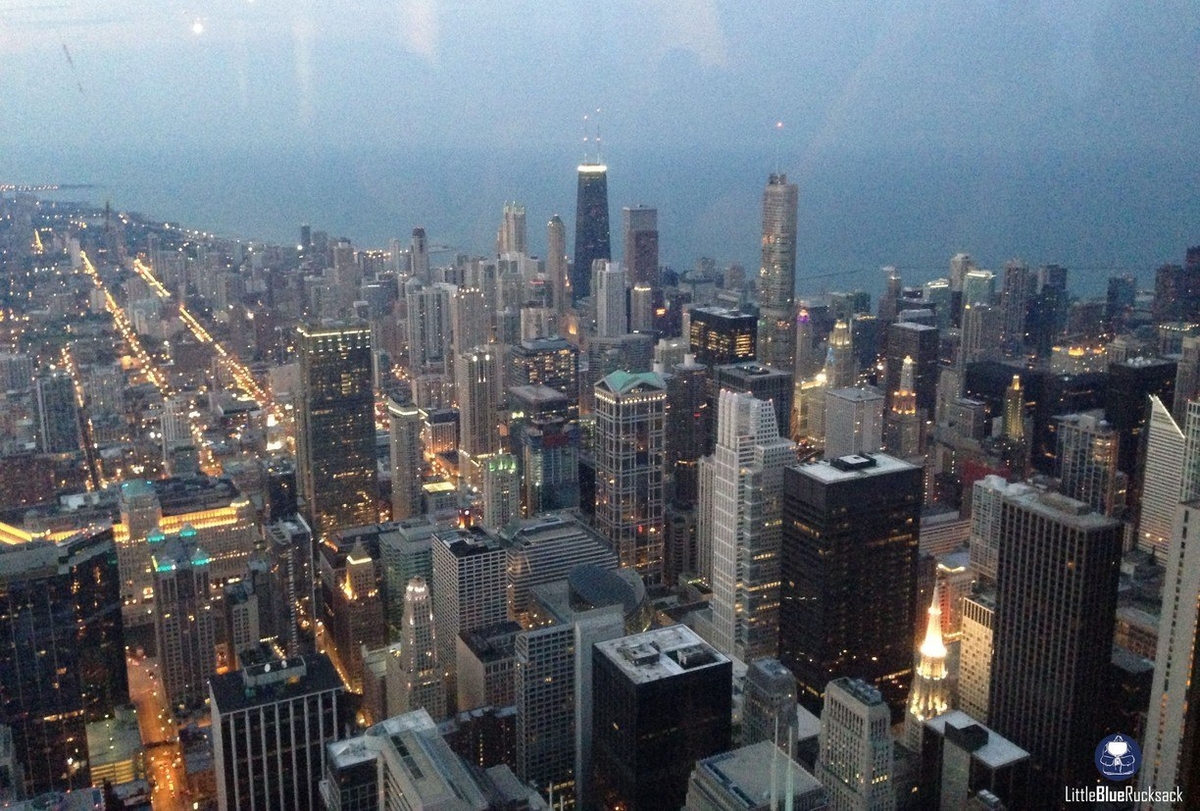
Getting around Chicago becomes part of the trip. Some days are made for walking, with the architecture, food stops, murals, bridges, and neighbourhood corners appearing slowly as you go. Other days need trains, buses, good timing, patience, and a bit of street sense. The city opens up when you move through it with curiosity instead of rushing from one famous stop to the next.
1. The Loop Is Only the Start
Most first visits to Chicago begin around the Loop, and that makes sense. The river, skyscrapers, theatre signs, and public spaces give you an instant hit of the city. It is the Chicago that many people recognise from films, postcards, and quick weekend itineraries.
Still, the city gets more interesting when you drift away from the obvious centre. A better day might include a big-name sight, a quiet side street, a local food stop, and a few alternative things to do in Chicago that give the trip more character.
That is where moving around well starts to matter. A loose plan can turn a walk, bus ride, or train stop into a better story than another rushed photo by a landmark. The Loop is a great place to begin, but Chicago makes more sense when you treat it as the first chapter rather than the whole book.
2. Walking Shows You the Details
Chicago rewards you when you walk. Trains and buses cover the bigger distances, but your feet catch the smaller moments that rarely appear on a fixed itinerary. One turn can lead to a mural, an old corner bar, a quiet church, a food stand, a bridge view, or a row of houses that feels far away from the downtown rush.
Walking also makes the city feel less intimidating. Chicago can look huge when you are staring at a map, but it becomes friendlier one block at a time. You notice the wind near the lake, the shape of the streets around the river, and the way each neighbourhood has its own pace.
For backpackers, those details often become the best memories. Walk when the weather allows it, keep the route flexible, and follow a street now and then simply because it looks interesting. Chicago has plenty of famous sights, but the quieter corners often stay with you longer.
3. Trains Make the City Feel Smaller
Chicago feels easier once trains become part of the day. The distances shrink, the neighbourhoods feel more connected, and the city stops looking like one giant spread of streets. For a backpacker, that can be the difference between staying near the same few blocks and getting a much fuller feel for the place.
Stations show their own version of Chicago. You see commuters with coffee, students with headphones, families heading across town, and visitors trying to find the right platform. Transport is part of the city’s rhythm, not just a way to move through it.
Most train journeys are routine, but crowded platforms, rushed transfers and unfamiliar stations can make a bad moment harder to handle. If someone gets hurt along the way, Chicago commuter train injury claims can depend on simple details: the station name, the time, who saw what, whether photos were taken, and when medical care started.
Give yourself extra time, pay attention to signs, keep your belongings close, and avoid sprinting between platforms. Chicago’s trains can open up the city beautifully, but they work best when you travel with both patience and curiosity.
4. Weather and Timing Can Change the Day
Chicago can shift moods quickly. A morning by the lake might feel calm and bright, then the wind picks up, the temperature drops, and a simple walk suddenly feels much longer than it looked on the map. That is part of the city’s character, but it can catch you out if you leave no room for change.
Timing matters as much as distance. Rush hour can make stations busier, lakefront wind can change the feel of a walk, and Chicago’s climate gives every season its own travel rhythm, from humid summer afternoons to winter days that make short transfers feel longer.
Build the day with a little slack. Leave space for coffee, a delayed train, a sudden shower, or the moment when your feet decide they have had enough. Chicago is easier to enjoy when the plan can bend a bit.
5. Leave Room for Detours
The best Chicago days are rarely planned down to the minute. A street catches your eye, a station exit drops you somewhere unexpected, or a quick food stop becomes the part of the day you remember most. That looseness is part of the fun.
Backpacking works better when the city has room to interrupt you. Chicago has the famous sights, but it also has side streets, corner shops, old signs, lake views, and neighbourhood pauses that make a trip feel personal. You miss those when every hour is locked into a schedule.
Give yourself a rough direction, then let the day breathe. Chicago is big enough to surprise you and easy enough to enjoy once you stop trying to control every turn.
The City Makes More Sense in Motion
Chicago does not reveal itself from one viewpoint. It comes together in fragments: a walk by the river, a train ride out of the centre, a windy corner near the lake, a wrong turn that turns into a good memory.
For backpackers, that is the real lesson. Getting around Chicago is part of how you understand the place, from the first walk through the Loop to the train ride that takes you somewhere less expected. Move slowly when you can, stay alert when the city gets busy, and leave enough room for the unexpected. That is usually where the better stories begin.