





Driving around the world brings a sense of freedom that few other things can match. Whether you navigate a coastline or cross a desert, the open road offers endless potential. Small mechanical issues or unexpected hazards quickly change the mood of your journey.
Being aware of these common obstacles helps you stay mobile and safe during your travels. Understanding what might go wrong keeps your focus on the adventure ahead. Traveling requires a flexible mindset and a bit of mechanical knowledge to keep things moving.

Common Road Problems Every Driver Should Know
Aging Vehicles and Mechanical Wear
Many travelers rent or buy used vehicles to save money on long trips. Statistics from the past year show that the typical passenger car in Europe is now over 12 years old. Older cars require frequent checks to avoid getting stuck in remote areas. Keeping a log of previous repairs helps you track which parts might fail next.
One recent article noted that engines rely on fuel injectors, which can cost between $763 and $966 for a set. These parts deliver fuel to the cylinders and must remain clean for smooth operation. Dirty injectors cause poor gas mileage and sluggish performance. Replacing them before a major trip prevents costly breakdowns in foreign countries.
Mechanical breakdowns happen even when you prepare your vehicle carefully. Finding a reliable emergency tow truck becomes a top priority if your car suddenly dies on a busy highway. Professional recovery services provide peace of mind when you are far from home. These experts transport your vehicle to a local shop for repairs.
Having the number of a towing service saved in your phone makes a big difference. It allows you to act fast and get your vehicle to safety without delay.
Weather Impacts and Cooling Systems
Extreme temperatures pose a threat to your vehicle’s performance and safety. A report from 2025 explains that high heat strains car systems and raises the risk of crashing. Cooling fans and radiators must work harder to prevent engine damage in the summer. Keeping your fluids topped up is a simple way to protect your investment.
Winter conditions present a different set of challenges for drivers. Ice and snow reduce traction and make steering much more difficult. Using billiga dubbdäck (cheap studded tires) can help improve grip on icy roads while remaining a cost-effective option for seasonal driving. Batteries lose their charge faster when the temperature drops below freezing. Checking your anti-freeze levels is a smart move before heading into the mountains.
Suspension Hazards and Potholes
Road quality varies wildly depending on where your journey takes you. Recent data indicates that pothole damage has caused many suspension issues and broken control arms lately. Drivers face unexpected costs for shocks and struts after hitting deep ruts. Monitoring your tire pressure helps absorb some of the impact from rough surfaces.
Suspension parts keep your ride smooth and your tires in contact with the ground.
- Check your alignment if the steering wheel feels crooked.
- Avoid driving through deep puddles that hide holes.
- Inspect tires for bulges or cracks after heavy impacts.
- Listen for clunking sounds when driving over bumps.
- Look for fluid leaks around your shocks.
Rural Safety and Driving Hazards
Driving outside of major cities offers beautiful views but carries distinct risks. Studies reveal that 53% of road deaths occur on rural paths rather than motorways. These areas often lack lighting or have narrow lanes that require extra caution. Staying alert for wildlife and local farm equipment is crucial for a safe trip.
Urban areas have their own problems for travelers to navigate. Traffic congestion leads to more minor accidents and bumper scrapes. Pedestrians and cyclists move quickly between parked cars in city centers. Navigating these tight spaces requires patience and a good set of mirrors.
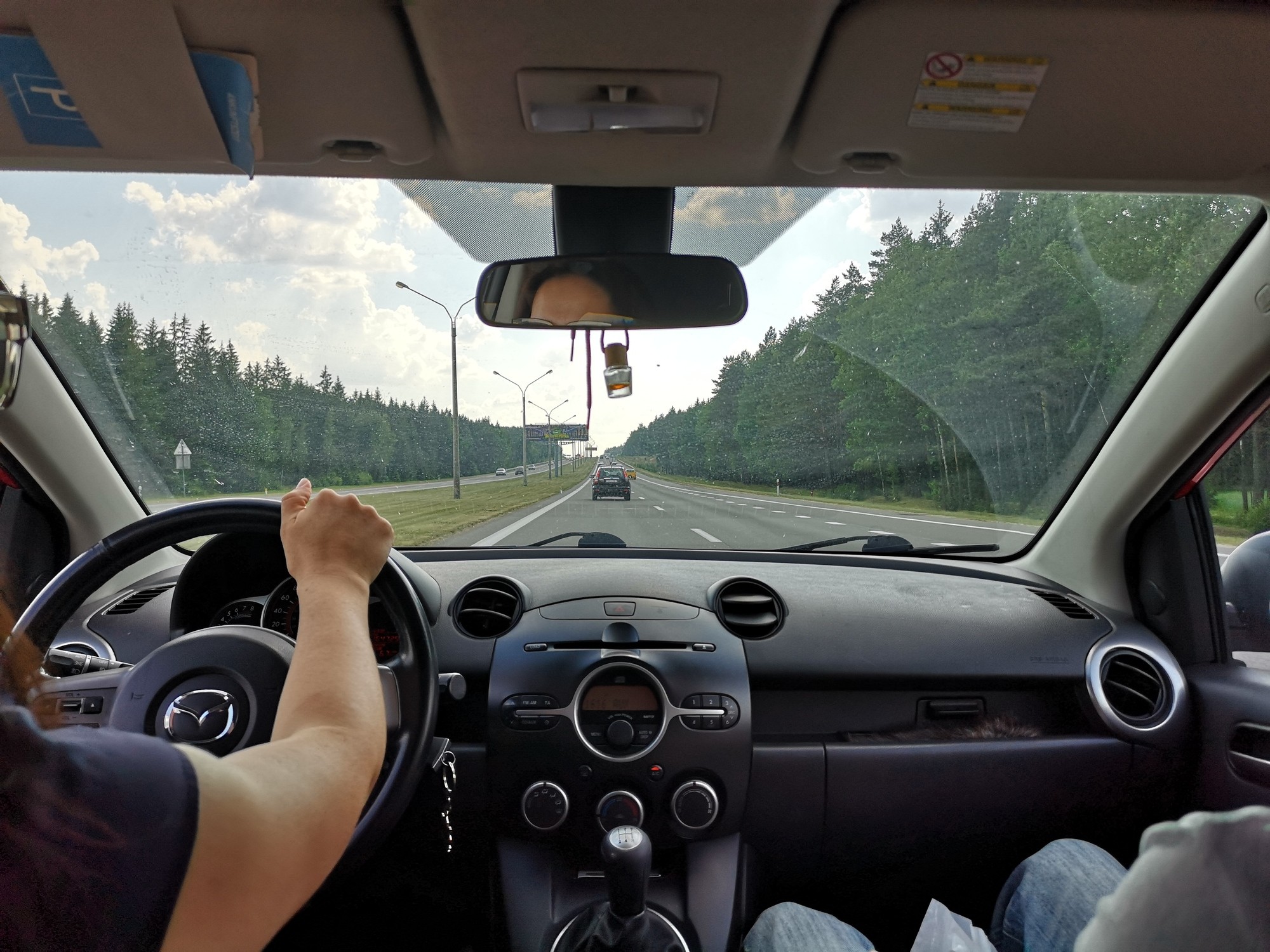
Common Road Problems Every Driver Should Know
Modern Safety Tech and Maintenance
Government regulations now require light vehicles to have automatic braking systems by 2029. These systems use sensors to detect obstacles and apply the brakes for you. Modern tech helps reduce human error on long drives. Advanced radar systems can see through fog or heavy rain better than humans.
Maintenance experts suggest changing your brake pads every 30,000-50,000 miles. Keeping your brakes in good shape is the best way to stay safe on the road. Current reports from 2025 show that total crash fatalities have decreased by over 8% in the United States.
Hitting the road is the best way to see the world and meet new people. Problems like flat tires or engine trouble are just part of the nomadic lifestyle. Preparation makes the difference between a minor delay and a ruined trip.
Keep your gear ready and stay aware of your surroundings as you explore new horizons. The journey is always better when you feel confident behind the wheel. Pack your bags and get ready for your next big adventure.