





So, you’ve decided to book a ticket to the “City of Gentle People.” Good choice. Dumaguete isn’t your typical, high-octane tourist trap like Boracay or the crowded streets of Manila. It has this slow, syrupy rhythm that catches you off guard. One minute you’re just grabbing a coffee on the boulevard, and the next, you’re wondering why you ever lived anywhere else. But before you get lost in the university town charm and the scent of fried silvanas, you need to do some homework.
Dumaguete: What to Pack, Book, and Know Before You Go
Why planning a little matters
This city is compact but busy. It is a university town and a gateway to nearby marine parks. Knowing where you’ll land, how you’ll move around, and how to stay connected changes a groggy arrival into a relaxed first afternoon. Dumaguete’s population and visitor flow mean services are available, but some popular excursions still require advance booking.
Essentials to book before arrival
Flights and airport pickup
Book flights to the nearest airport in advance. Many low-cost carriers fly here. The city’s main airport is small, so you’ll get through it quickly. If you arrive late, arrange a pickup or at least confirm how to get into town from the terminal. That saves taxi drama after a long flight.
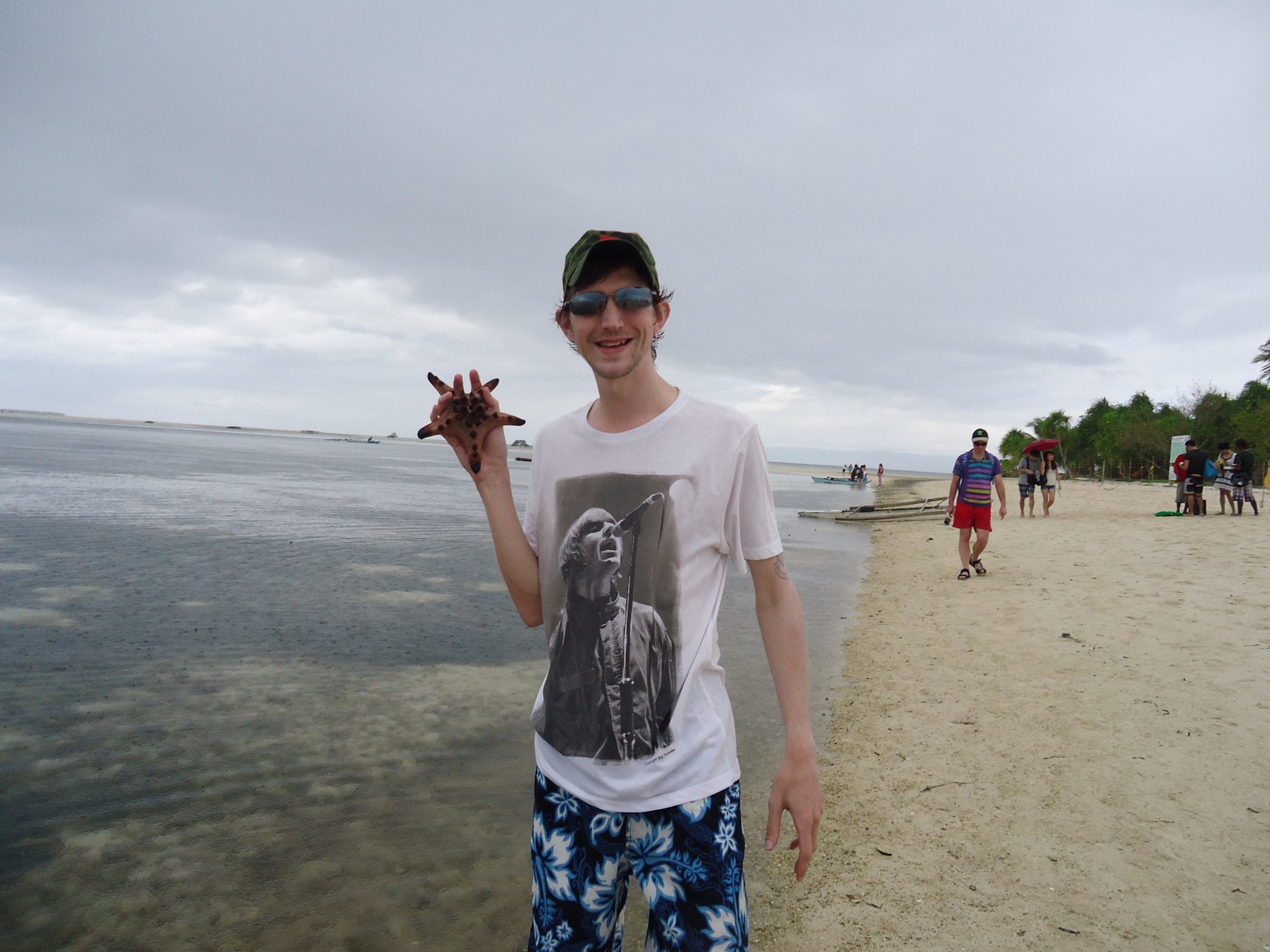
Holding Starfish at Virgin Island, Philippines
Island trips and day tours
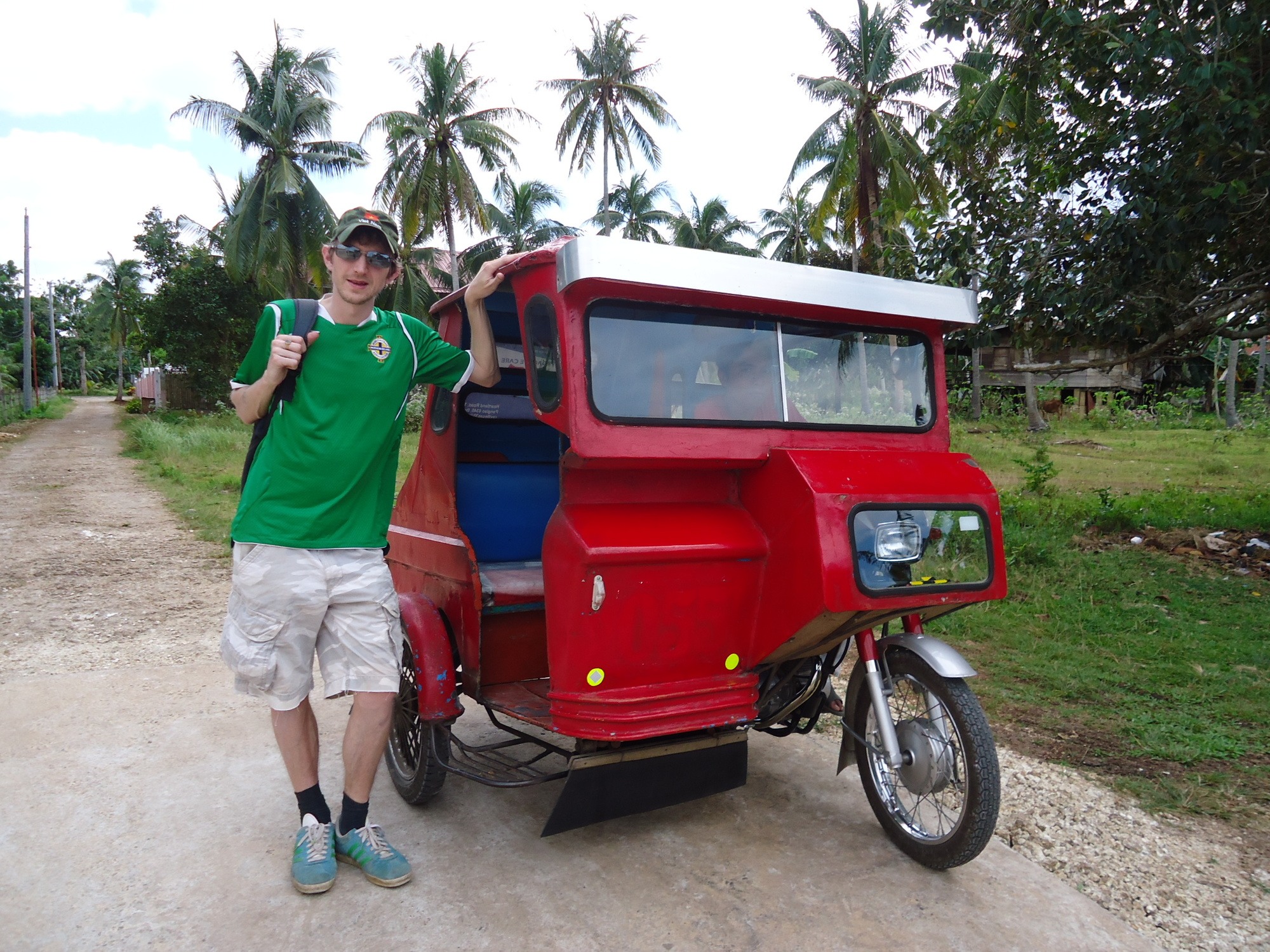
If you plan to snorkel with turtles or dive, reserve your boat spot for Apo Island and similar sites in advance. Boats to the best snorkel spots leave from specific piers and they fill up on weekends. Malatapay departures often require a tricycle or van ride from town before you board. Booking early is especially important in the high season.
Connectivity: the one thing everybody forgets
If you want to avoid SIM swaps or searching for a store when you land, get an eSIM before you leave. I set mine up days ahead and it worked straightaway when I stepped off the plane. I used SIMOVO Philippines eSIM; it offers short-term plans that are cheap and reloadable. It kept maps and bookings working, and it saved me from roaming charges.
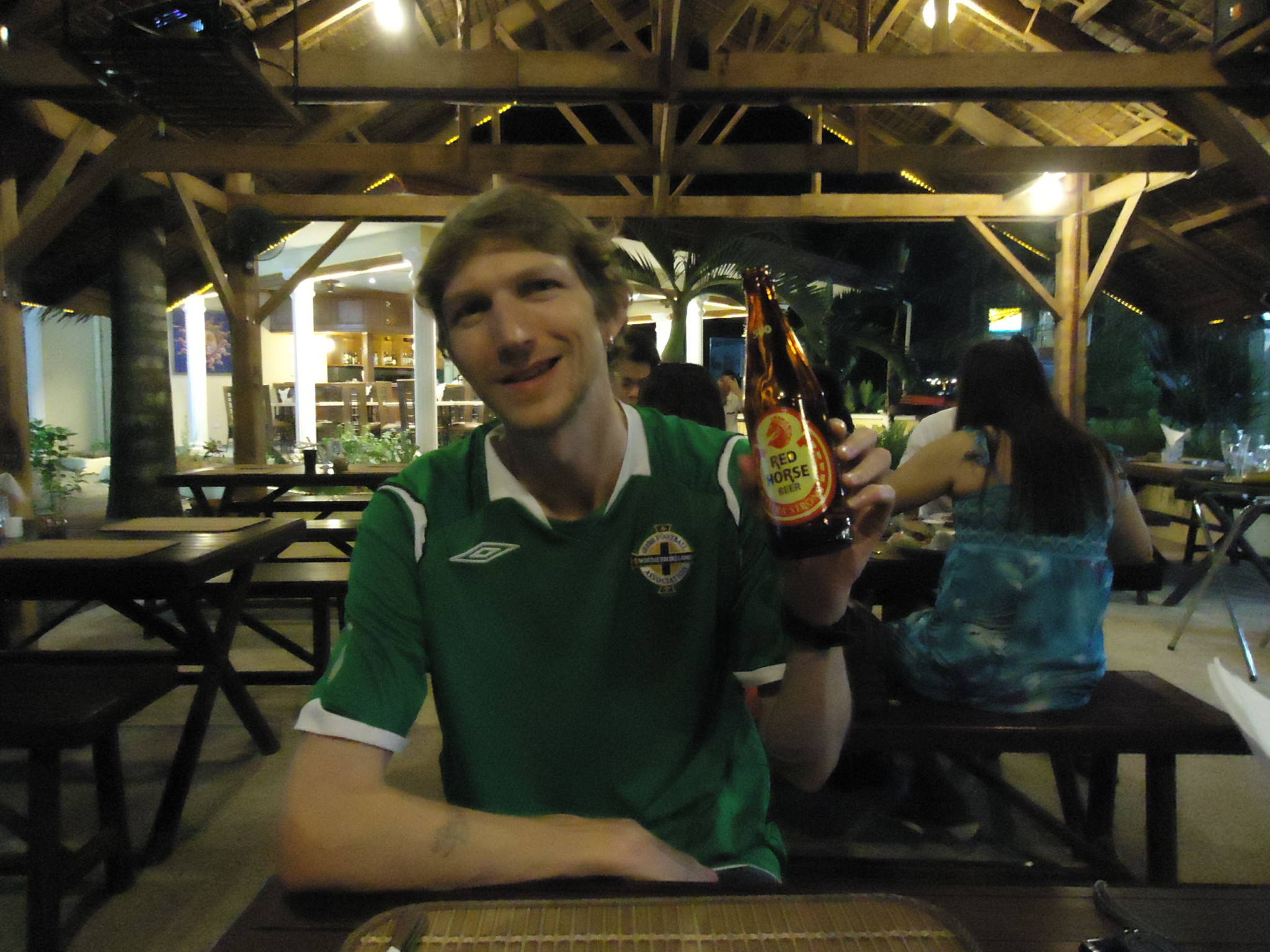
A red horse beer on Alona Beach in the Philippines. Relaxation at its best 😉
Money and payments
Cash is king in many spots
Small restaurants, tricycle drivers, and market vendors still prefer cash. Bring some Philippine pesos with you but not a huge amount. There are ATMs in town but they can run out on busy days. Plan to withdraw a reasonable sum on arrival and keep a backup card in a different pocket.
Cards and fees
Most hotels and bigger restaurants accept cards. Expect an ATM fee or occasional daily withdrawal limits. If your bank charges for international ATM transactions, factor that into your budget.
What to pack
Lightweight clothes and layers
It is warm most of the year. Bring breathable shirts, shorts, and one light layer for cooler evenings. A hat helps; so does a small packable rain jacket if you visit during rainy season.
Swim and snorkel gear
You can rent masks and fins. Still, if you use your own, bring them. Reef-safe sunscreen is essential. Protect the sea life and your skin.
Shoes for uneven surfaces
Flip-flops are great but also bring a sturdy pair for short hikes, temple visits, and rough coral shores.
Health and safety kit
Basic meds, antiseptic wipes, a motion-sickness remedy if you get queasy on boats, and any personal prescriptions. A small first-aid kit is all you need for day trips.
Transport around town
From the airport to the boulevard
The airport sits just outside town. Taxis and tricycles are available, but check whether your accommodation offers transfers. Knowing the airport name makes things simpler when you ask drivers for a price.
Jeepneys, trikes and rental scooters
Local transport is cheap and frequent. For more freedom, rent a scooter for day trips. If you ride one, keep ID and a photocopy of your license on you.
Final Note
This place rewards slow travel. Spend a morning in a café, an afternoon wandering the boulevard, and a day on a boat. Book the things that need booking. Bring good walking shoes and reef-safe sunscreen. Set up your eSIM before you leave or plan how to buy local data on arrival. Do that and your trip will feel less like logistics and more like discovery.