





Managing a group trip sounds exciting until you’re standing in an airport with twenty people asking twenty different questions you’ve already answered twice. It’s easy to be overwhelmed, and the people around you notice it. It also makes advanced preparation non-negotiable.
Operators who consistently deliver great group experiences share one thing in common: they put the right materials in the right hands before the trip begins.
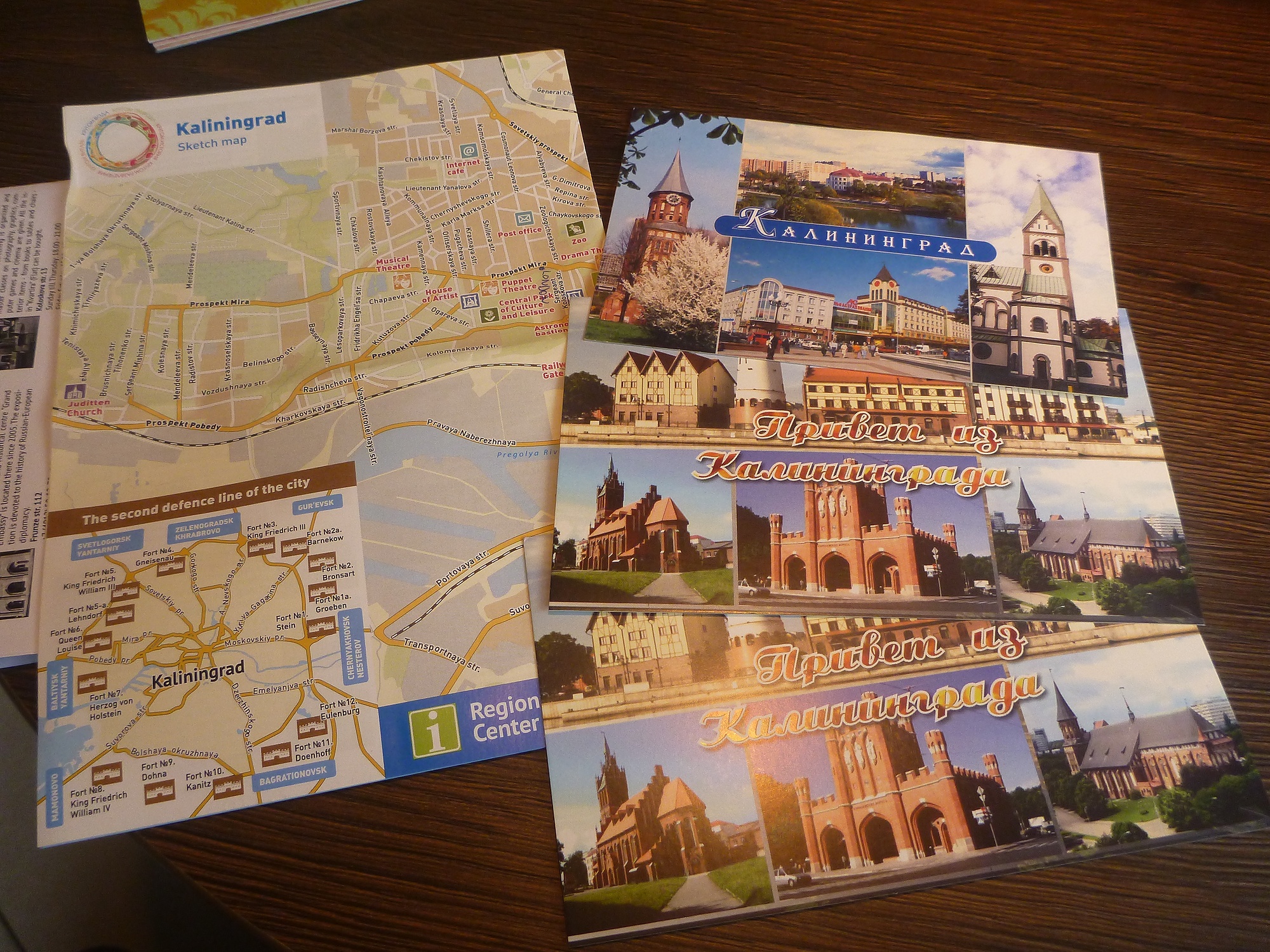
Essential Materials Every Travel Tour Operator Should Prepare for Group Trips
A Detailed Itinerary Everyone Can Actually Follow
This isn’t just a schedule. A good itinerary includes meeting points, meal information, free time windows, backup contacts, and what to do if something goes sideways.
Print it.
Emergency Contact Sheets
Every traveler should have a single page with local emergency numbers. They also need access to the nearest hospital, the tour operator’s direct line, and the accommodation address in the local language.
Nobody wants to use it. Regardless, everyone should have it for safety reasons.
Destination Guides
A brief overview of local customs, currency, tipping etiquette, and what to avoid saves operators from fielding the same questions on repeat throughout the trip.
It also helps travelers feel confident navigating independently during free time, which reduces anxiety and improves the overall experience.
Packing Checklists
Send these before departure. Climate-specific, activity-specific, and honest about what people actually need versus what they think they need.
A good packing checklist reduces the number of travelers who show up underprepared for a hiking day or overpacked for a beach stop.
Local Transportation Information
How does the group get from the airport to the hotel? What happens if someone misses the transfer? Which apps work in this country?
Specific, destination-level transportation information removes a significant source of traveler anxiety before the trip even starts.
Welcome Packets and Travel Handbooks
This is where everything comes together. A well-designed welcome packet gives participants one place to reference itinerary details, emergency contacts, destination notes, and transportation information in a format that’s easy to carry and actually gets used.
Operators who want a professional finish can create a printable booklet through Canva, which makes it easy to design and print booklets that look polished without requiring a design background.
For operators who prefer a digital format, travel ebooks work just as well — participants can access everything on their phone without printing anything at all. Either way, it’s a simple upgrade that reflects well on the operation before the trip even begins.
Why It All Matters
Organized documentation reduces confusion, improves communication, and keeps the trip running smoothly when something unexpected happens — and something unexpected always happens.
The operators who handle group travel well are the ones their travelers recommend to everyone they know afterward.
The Materials Are the Foundation
Every smooth group trip has the same thing behind it: preparation that happened long before the first bag was packed. Operators who invest time in their materials before departure spend less time managing confusion on the road. That’s time better spent delivering the experience they promised.
If you found this useful and want more practical advice for travel operators and travelers alike, explore the rest of the site for destination guides, trip planning tips, and everything in between.