





Life moves fast and keeps everyone busy. You might feel tired or stressed from time to time. Knowing the difference between a bad day and a deeper issue helps you stay healthy. Paying attention to small changes in your mood or habits makes a big difference. Mental health is just as significant as physical health for your daily life.
How to Recognise Signs of Mental Health Issues
Sudden Changes in Sleep Patterns
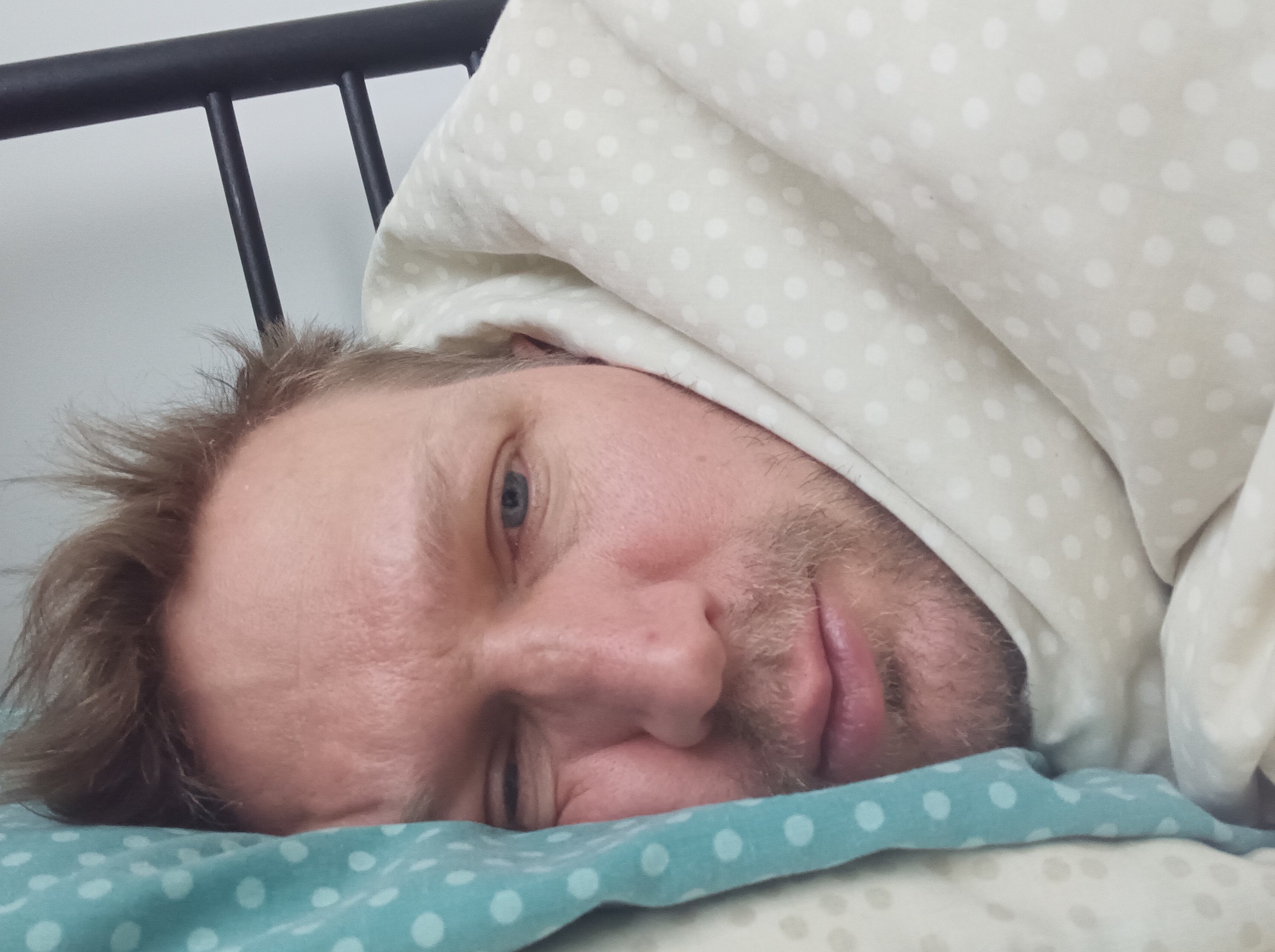
Sleeping too much or too little often points to a struggle within the mind. You might find yourself lying awake at 3 in the morning for no clear reason. Sometimes your body feels heavy, and you want to nap all day. These shifts impact how you function from the moment you wake up.
Energy levels fluctuate for everyone during a long week. Consistently feeling drained suggests your brain is working harder than usual. It is helpful to track these cycles over a few weeks. Persistent fatigue is more than just needing a cup of coffee.
Persistent Emotional Shifts and Mood
Feeling sad or irritable is a normal part of being human. Many people find that online psychiatry services provide a way to talk through these feelings with a professional. This type of support fits into a busy schedule without much trouble. It offers a private space to explore thoughts that feel confusing or heavy.
Unexplained anger is another sign that often goes ignored. You might snap at friends or family members for minor mistakes. This reaction often stems from an internal feeling of being overwhelmed. Recognizing these spikes in emotion is a primary step toward feeling better.
Social Withdrawal and Staying Indoors
Canceling plans becomes a habit when you are struggling mentally. You might stop answering texts or avoid gatherings you once enjoyed. Staying home feels safer or easier than trying to hold a conversation. This isolation can cause anxiety and create a cycle that makes it harder to reach out later.
Connecting with others provides a sense of belonging and safety. A recent report from a national health agency noted that 19% of adults in the US have been told they have a depressive disorder. This statistic shows how common these experiences are in daily life. Reaching out to others helps break the silence around these struggles.
For those looking for professional support, online therapy in Ontario offers compassionate specialists who can help you reconnect, cope with isolation, and build strategies to feel comfortable engaging with others again.
Changes in Appetite and Eating Habits

How to Recognise Signs of Mental Health Issues
Food serves as fuel for the body and a source of comfort. Some people stop eating much when they feel low or anxious. Others might find themselves reaching for snacks to cope with stress. Noticing a significant change in your weight or eating style is a key indicator.
Your brain needs proper nutrition to manage stress and regulate mood. Skipping meals leads to low blood sugar and increased irritability. This creates a physical loop that worsens your mental state. Keeping a steady routine with meals supports your overall well-being.
Academic and Professional Challenges
Focusing on a task becomes difficult when your mind is heavy. Deadlines might slip past, and simple chores feel like mountain peaks. You may notice your grades or work performance dropping without a clear cause. This shift often reflects the internal energy spent on managing your mental state.
Students often face high levels of pressure that impact their daily well-being. Data from a university health report mentioned that 37% of students deal with moderate to severe symptoms of depression. These numbers highlight the need for resources that help manage the load. Recognizing these signs early allows for better management of your responsibilities.
Losing Interest in Hobbies
Activities that once brought joy might feel dull or pointless. You may look at your favorite books or games and feel no spark. This lack of interest is a hallmark sign that your brain is struggling. It is not about being bored – it is about a loss of connection to the things you love.
There are common signs that show a loss of interest:
- Skipping your weekly sports or hobby groups.
- Letting equipment or supplies gather dust in the corner.
- Finding no pleasure in music or movies you liked before.
- Feeling a sense of numbness when participating in social events.
Reclaiming these joys takes time and patience with yourself. Pushing too hard can sometimes make the process feel like a chore. Small steps help you find your way back to your passions.
Finding a Path Forward
Recognizing these signs is a brave move toward a healthier life. You do not have to carry the weight of these feelings alone. Talking to a trusted friend or a healthcare provider is a great start. There are many ways to manage your mental health and feel like yourself again.
Building a routine that includes rest and movement supports your brain. Setting small goals for each day gives you a sense of accomplishment. Every step you take toward understanding your mind is a victory. Focus on the present moment and be kind to your thoughts.
Everyone has times when life feels a bit too heavy to manage. Noticing the signs early gives you the chance to make helpful changes. You deserve to feel good and live a life that feels meaningful. Support is available, and recovery is a journey worth taking for your future. Keep moving forward one day at a time and trust the process.