





A cabin can be far more than a quiet retreat in the woods. With the right approach, it can become a dependable source of income that performs across seasons. Owners today have several paths to profitability. Some focus on thoughtful renovations that elevate comfort and justify premium pricing. Others lean into data-driven pricing strategies that respond to real-time demand. Professional management, streamlined operations, and strong branding also play a major role in turning occasional bookings into consistent occupancy.
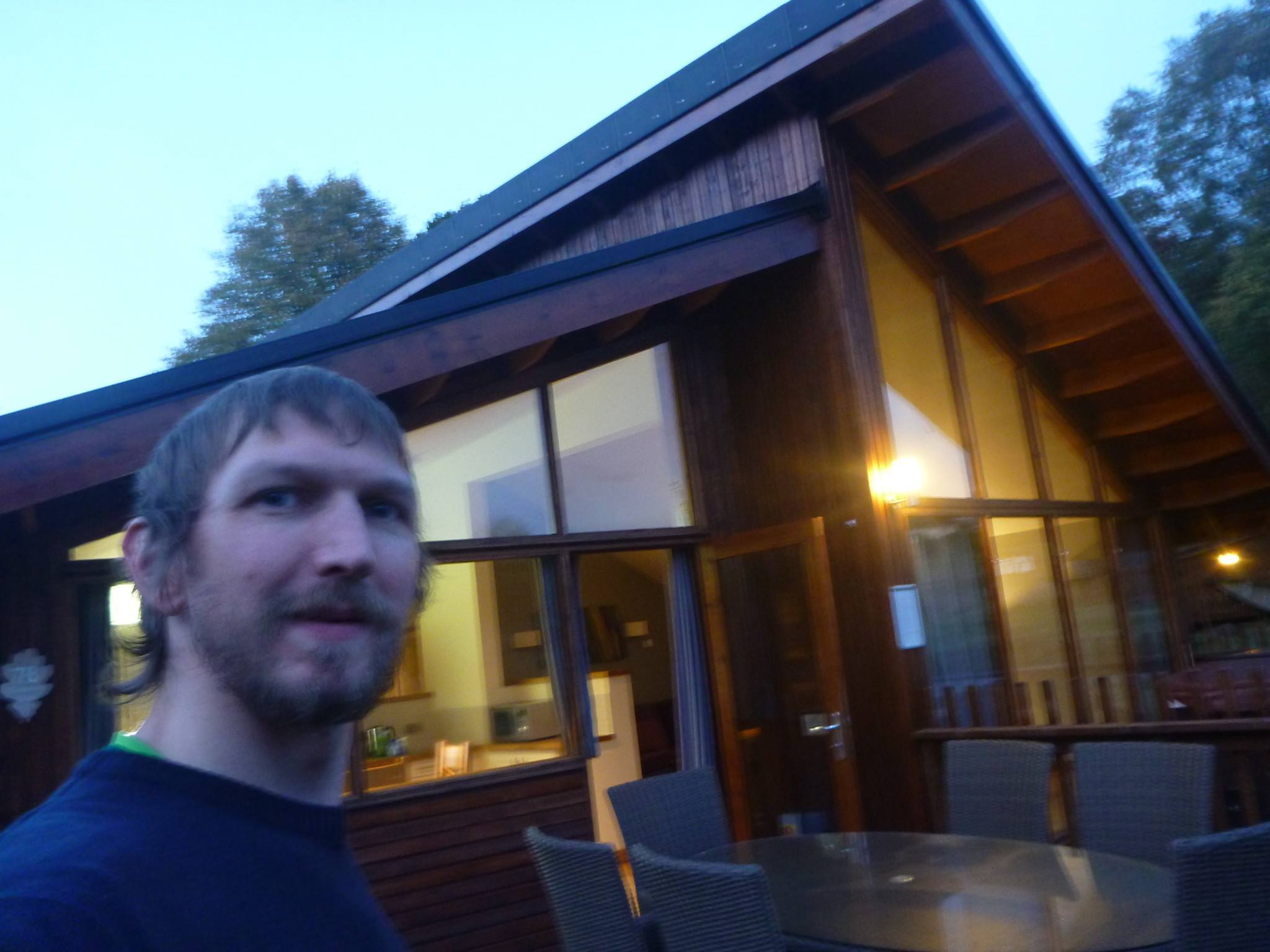
Staying in a Cabin in the Forest of Dean, Gloucestershire, England
Central Oregon welcomed 4.1 million visitors in 2024, highlighting the region’s strong tourism market. This influx of visitors indicates a sustained, high-level demand for the area’s attractions. Outdoor recreation, festivals, and a growing remote workforce keep demand steady throughout much of the year. Let us discuss how to turn that demand into consistent, long-term rental income.
Assess Market Demand and Regulatory Requirements
A profitable rental starts with a realistic understanding of demand. Owners should examine occupancy trends, average nightly rates, and peak travel periods. Local events, ski seasons, and summer tourism patterns often create predictable booking spikes. Data from listing platforms can reveal how similar cabins perform across different months.
Regulations deserve equal attention. Short-term rental permits, tax requirements, and zoning rules vary by jurisdiction. Fines or forced shutdowns can erase months of revenue, so compliance must be part of the foundation. Clear knowledge of licensing steps and lodging taxes protects long-term stability.
Choose the Right Management Structure
Once market fundamentals are clear, the next decision centers on management. Some owners prefer hands-on involvement. Self-management offers direct control over pricing, communication, and guest screening. It also requires availability, organization, and comfort with handling unexpected issues.
Professional management can reduce that operational burden. Look up leading property management firms short-term rentals Central Oregon to find professionals who manage pricing, screening, cleaning, and permits. Strong firms bring structured processes and established vendor relationships. One example is iTrip Northwest, a vacation rental property management company that focuses on maximizing owner revenue through structured oversight and local market expertise. Their model centers on hands-on owner support, transparent performance reporting, and coordinated operations designed to protect the asset while improving long-term returns.
Upgrade the Cabin for Guest Expectations
Guest expectations continue to rise. A cabin that once felt charming may now appear dated next to newer listings. Strategic upgrades create immediate impact. Kitchens and bathrooms deserve priority since they influence booking decisions and reviews more than any other spaces. Updated fixtures, quality appliances, and clean finishes elevate perceived value.
Comfort matters just as much as style. Durable mattresses, high thread count linens, and functional lighting contribute to positive experiences. Reliable high-speed internet has become essential, especially for guests who blend work and leisure travel. Outdoor spaces provide another opportunity to differentiate. Fire pits, covered seating areas, or a well-maintained hot tub enhance the overall stay.
Design a Revenue-Focused Pricing Strategy
Pricing shapes profitability more than any single feature. Flat rates throughout the year rarely capture full revenue potential. Demand fluctuates with seasons, holidays, and local events. Dynamic pricing tools analyze booking trends and adjust rates accordingly.
Owners should also calculate true operating costs before setting prices. Cleaning fees, utilities, maintenance, taxes, and management fees all influence margins. Clear awareness of these expenses prevents underpricing. Minimum stay requirements can smooth operations. Longer stays reduce cleaning frequency and stabilize income during slower periods.
Create a Listing That Converts Browsers
A well-prepared cabin still needs a persuasive presentation. High-quality photography sets the tone. Bright, professionally composed images showcase space, texture, and natural surroundings in ways smartphone photos cannot match. Descriptions should highlight experiences rather than simply listing features. Instead of stating that a cabin has a deck, explain how that deck becomes the perfect place for morning coffee or evening gatherings.
Clear headlines, accurate amenity lists, and thoughtful responses to guest reviews further strengthen credibility. Platforms reward listings that engage users and generate positive feedback. A compelling, transparent presentation increases click-through rates and transforms interest into confirmed bookings.
Streamline Operations and Guest Communication
Operational consistency shapes guest satisfaction and long-term profitability. A cabin that runs smoothly behind the scenes earns stronger reviews and repeat bookings. Clear systems reduce stress and prevent small oversights from becoming costly problems.
Standardized cleaning protocols ensure the property meets expectations every time. Detailed checklists help cleaning teams stay aligned on presentation and maintenance details. Regular inspections between stays allow owners or managers to catch wear and tear early. Preventive maintenance costs far less than emergency repairs.
Protect the Investment with Smart Policies
Every profitable rental needs safeguards in place. Insurance tailored to short-term rentals protects against property damage, liability claims, and income loss due to unexpected events. Standard homeowner policies often fall short, so specialized coverage provides greater security.
Clear house rules establish boundaries before issues arise. Policies on occupancy limits, noise, pets, and outdoor fires should appear in the listing and in the rental agreement. Guests appreciate transparency, and defined expectations reduce disputes. Security measures add another layer of protection. Exterior cameras, where legally permitted, help monitor entry points and discourage unauthorized gatherings. Smart locks simplify access control and allow code changes between stays.
Track Performance and Refine the Model
Profitability does not remain static. Ongoing evaluation keeps the property competitive. Key performance indicators such as occupancy rate, average daily rate, and revenue per available night reveal how the cabin compares to market benchmarks. Patterns in this data highlight opportunities for improvement.
Guest reviews offer practical insight beyond numbers. Recurring compliments may signal strengths worth emphasizing in marketing. Repeated complaints point to upgrades or process adjustments that could lift ratings. Small refinements, such as improving mattress quality or simplifying check-in instructions, can generate noticeable gains in satisfaction.
Turning a cabin into a profitable vacation rental requires deliberate planning and disciplined execution. Market research sets the foundation. Strong management, thoughtful upgrades, and strategic pricing build momentum. Operational efficiency and protective policies sustain that momentum over time.
Owners who treat their cabin as a business rather than a side project position themselves for steady returns. Clear systems, data-driven adjustments, and a focus on guest experience create resilience in changing market conditions. A well-managed cabin can generate a reliable income while preserving the character that made it appealing in the first place.