





There’s a certain magic in Ireland that you don’t just see—you feel. It’s in the hush of mist over rolling hills, in the roar of waves against ancient cliffs, and in the warmth of a pub corner where strangers are soon friends. This is a country where stories are currency, and the land itself seems to hum with history. From rugged coastal drives to bustling city streets lined with music and laughter, the Emerald Isle invites you in—and it has no intention of letting you leave unchanged.
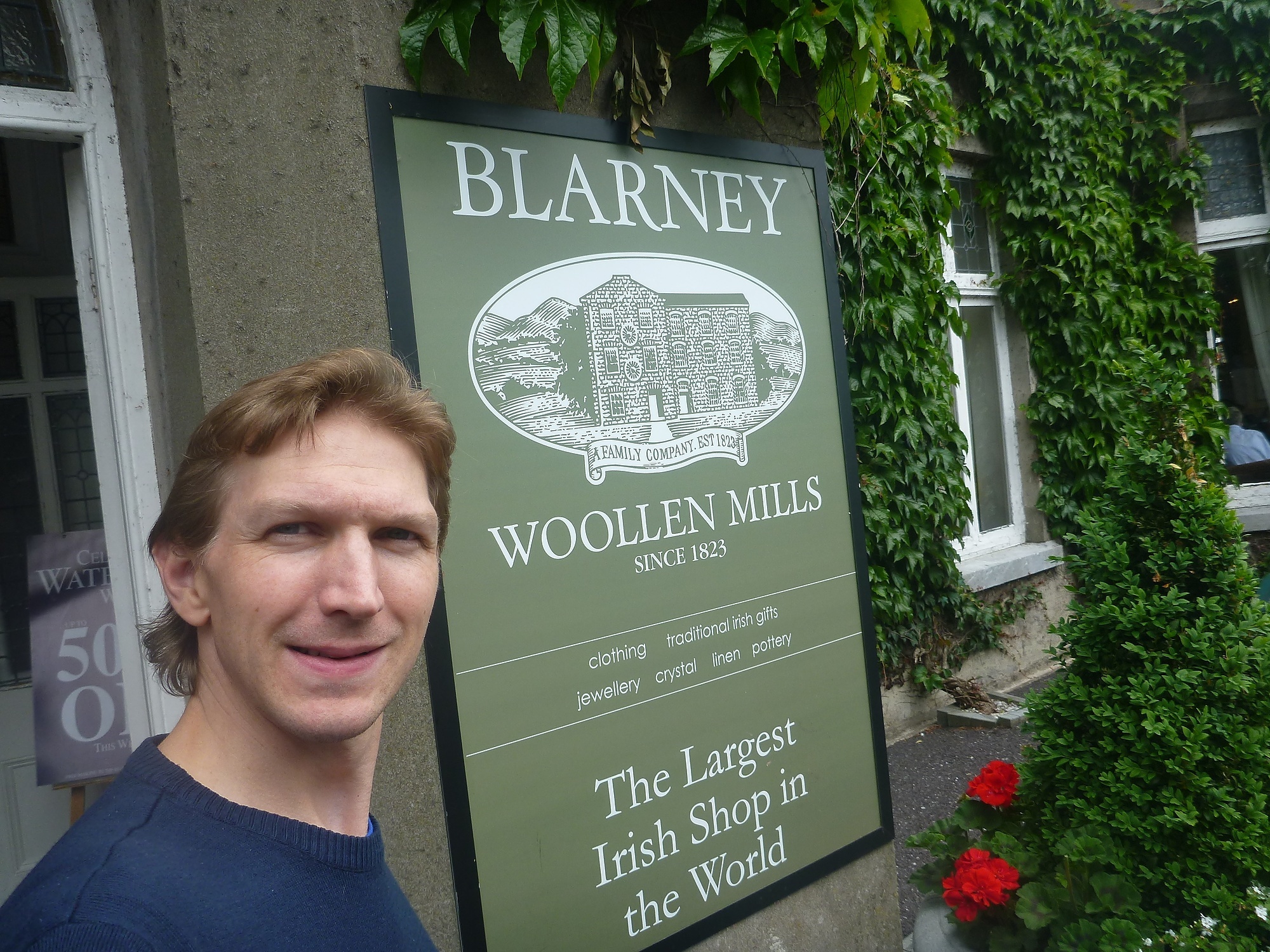
Irish Legends and Lush Landscapes: Discovering the Spirit of the Emerald Isle
Whether it’s your first visit or your fifth, Ireland never feels finished. There’s always another tale to hear, another pint to pour, and another winding road to follow through the countryside. And with thoughtful planning, a bit of local guidance, and the freedom to linger when the moment calls for it, you can uncover not just the highlights—but the heartbeat—of this remarkable island.
A Journey of Your Own: Choosing the Right Route
For many travellers, the real joy of Ireland lies in straying a little off the beaten path. Yes, Dublin’s charm is undeniable, and the Cliffs of Moher are postcard-perfect, but some of the richest memories come from the in-between places—the quiet abbeys, the windswept beaches, the conversations with B&B hosts over tea and soda bread.
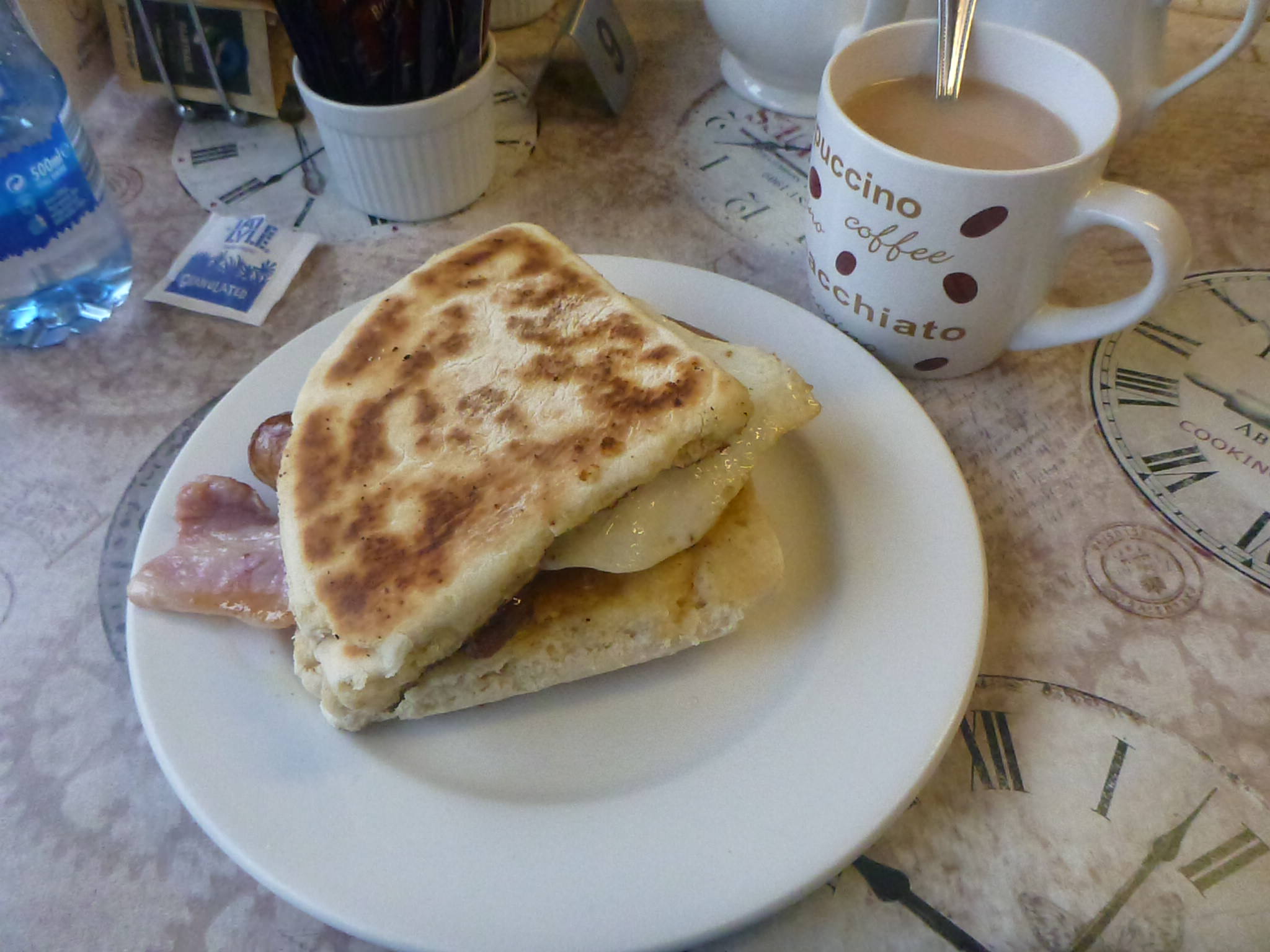
My Bushmills Soda and cup of tea in the Copper Kettle.
This is where private Ireland tours come into their own. With a knowledgeable local leading the way, you’re not just ticking off sights—you’re uncovering stories, stepping into folklore, and weaving your own narrative through each stop. One morning, you might be tracing the footsteps of Celtic kings in the Boyne Valley; the next, sipping whiskey in a centuries-old distillery in West Cork. No rush, no crowds—just Ireland, slowly revealed.
Private tours also offer the freedom to explore both north and south with ease. Want to spend a few extra hours exploring the Burren’s lunar-like landscape? Or hear a local fiddler play in a Connemara village pub? A flexible itinerary means you can go where the spirit leads you—and in Ireland, that’s often the best plan of all.
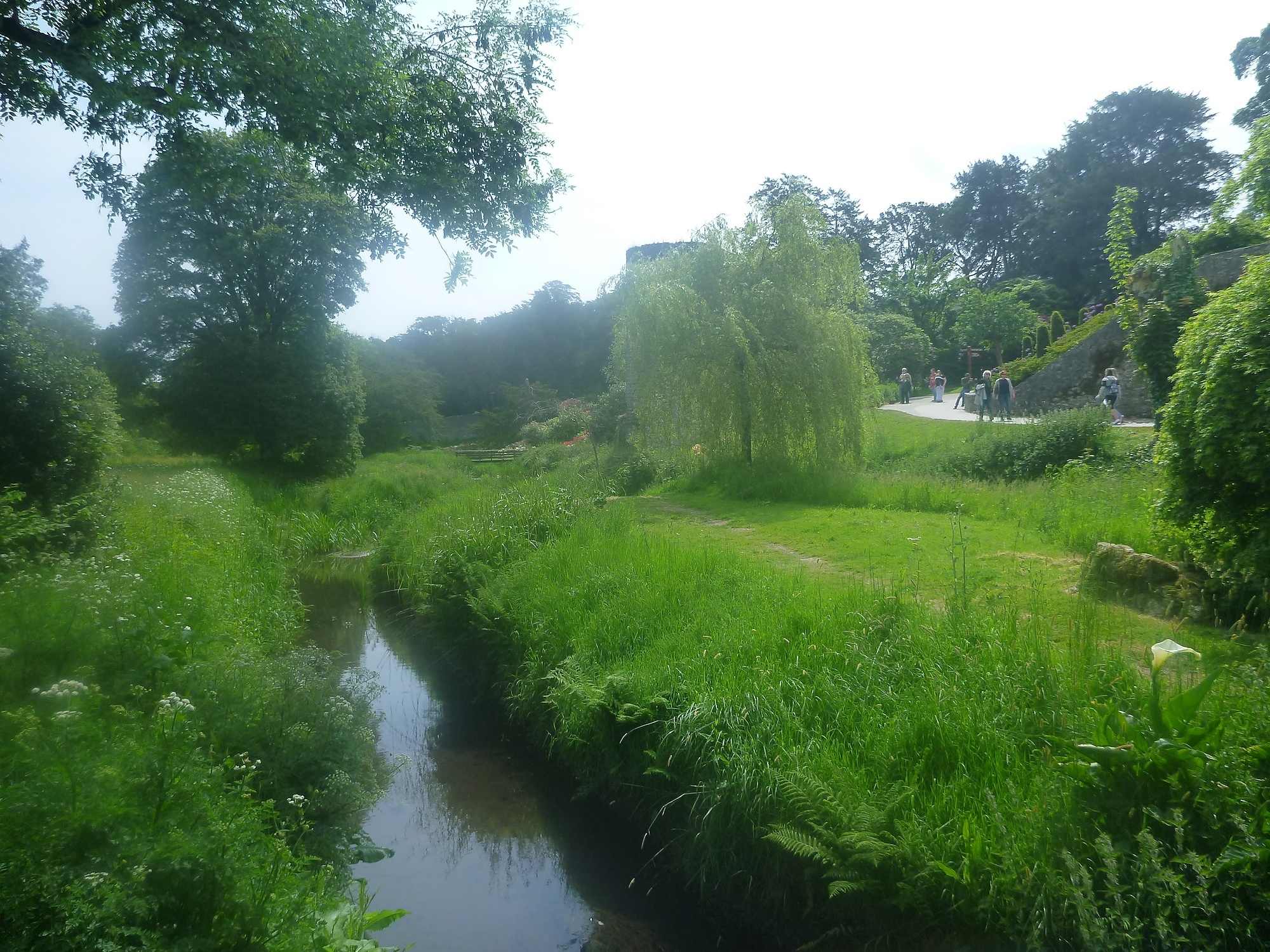
A river at Blarney Castle and Gardens
Connecting Cities and Cultures: Dublin to Belfast by Rail
Of course, not every journey in Ireland needs four wheels. Travelling by train here isn’t just practical—it’s part of the experience. One of the most scenic and culturally significant routes is the train Dublin to Belfast, a comfortable and efficient ride that brings you from the Republic of Ireland into Northern Ireland in just over two hours.
It’s a journey that subtly mirrors the island’s complexity. As the train hums along the coast, past green fields and seaside towns, you’re crossing not just county lines but historical boundaries. Yet there’s no border check, no flashing sign—just the slow unfolding of a shared, layered story.
Dublin, lively and literary, pulses with youthful energy and old soul charm. Trinity College, the River Liffey, and Temple Bar are only the beginning. Belfast, meanwhile, offers a different flavour—industrial grit softened by a creative resurgence, murals that speak volumes, and the Titanic Quarter where past and present meet on the docks.

Loving my time exploring the Titanic Centre in Belfast
Both cities offer vibrant music scenes, fascinating museums, and more cosy pubs than you could hope to visit. But it’s the contrast—and the conversation between them—that makes this route particularly rewarding.
Where the Land Feels Alive
You don’t need to hike the entire Wild Atlantic Way to feel Ireland’s connection to the earth—but even a small stretch is enough to move you. Along the west coast, the air is salted and alive. Cliffs drop into crashing surf. Sheep wander across narrow roads. And everywhere you go, the horizon seems to whisper some half-remembered story.
In County Kerry, the Ring of Kerry snakes its way through glens and mountains, each bend offering another gasp-worthy view. In Donegal, beaches stretch so wide and empty they feel like the edge of the world. And in the lesser-known heartlands—places like Roscommon or Offaly—you’ll find tranquil lakes and old monastic ruins, where history sits quietly, untouched by the crowds.
These are places where time slows, and you’re reminded that travel isn’t just about seeing—it’s about feeling rooted, even if only for a while, in somewhere completely new.
Legends Woven into Every Stone
Ireland is a land of storytellers, and you’ll soon discover that every landscape comes with a tale. Giants are said to have shaped the Causeway. Fae folk are blamed when roads veer inexplicably around ancient trees. Castles hide ghosts, rivers carry memories, and place names echo centuries of myth and meaning.
What makes these stories so enduring is how casually they’re shared. Ask a farmer about a stone circle near his land and he might smile and shrug, then tell you about his uncle who once saw lights dancing over it at dusk. Listen closely in a village shop, and you’ll hear lore passed along in the rhythm of everyday conversation.
This storytelling is part of Ireland’s charm—and part of its truth. Because here, magic isn’t something separate from daily life. It is daily life.
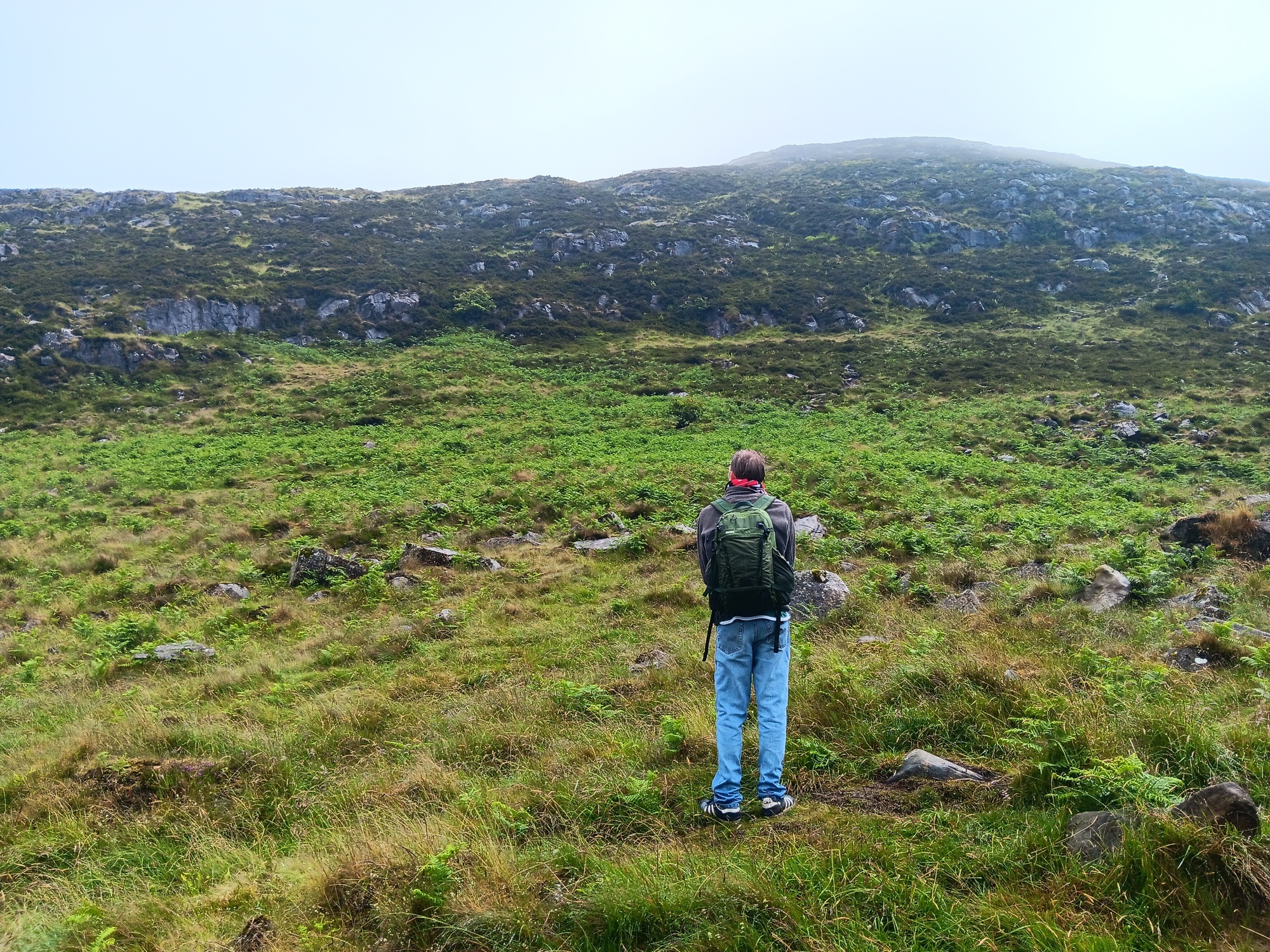
Backpacking Slemish Mountain, Northern Ireland
A Country That Welcomes You In
Above all, what stays with you long after you leave Ireland isn’t just the views or the music—it’s the people. There’s a genuine warmth here, a generosity that feels unforced. You’ll feel it in the way someone offers directions, or the way a bartender remembers your name after one pint. It’s in the laughs shared between strangers on a rainy ferry ride, or the quiet moments sitting in an old church, side by side with someone you’ve only just met.
This is a country that invites you in—not just to see it, but to be part of it, if only briefly.
Final Thoughts: Let Ireland Leave Its Mark
Whether you’re crossing counties by train, winding down rural roads on a private tour, or simply following the sound of a fiddle into a backstreet pub, one thing’s certain: Ireland will leave a mark on you.
Not loudly. Not all at once. But slowly, softly, like the mist that settles on the hills at dawn. A sense of something ancient, something kind, something very much alive.
So go. Follow the music. Taste the rain. Lose the plan and follow the path instead. Because in Ireland, that’s where the magic is—and always has been.