





The dinner party is making a comeback. After years of casual get-togethers and takeaway nights, there’s a growing appreciation for slower, more intentional hosting. People are rediscovering the joy of gathering around a beautifully laid table, sharing home-cooked food, and creating moments that linger well beyond dessert. This revival isn’t about formality or perfection; it’s about atmosphere, conversation, and comfort.
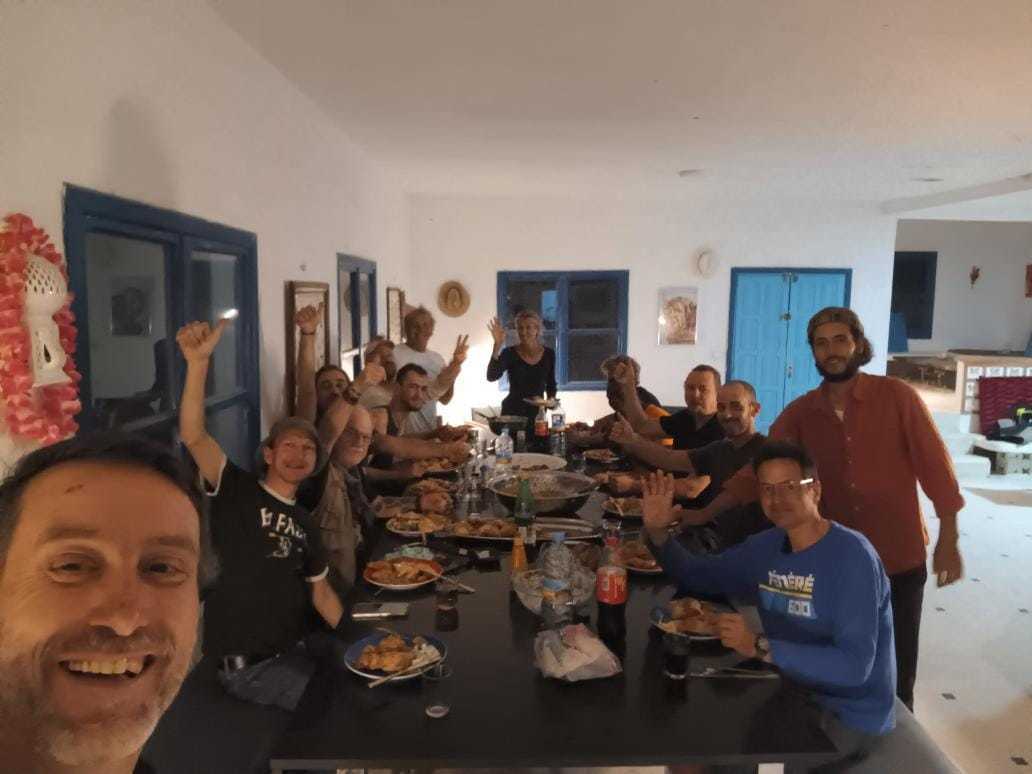
Marek’s birthday dinner by the Atlantic Ocean
Designing a home that’s made for hosting goes beyond finding space for a dining table. It’s about crafting an environment that encourages connection through layout, lighting, textures, and details that make guests feel instantly welcome.
Open-Plan or Intimate Corners?
Modern homes often feature open-plan layouts, where kitchens flow into living and dining areas. These spaces naturally lend themselves to hosting, allowing the cook to remain part of the conversation while guests mingle nearby. However, a fully open layout can sometimes feel exposed. Introducing visual boundaries, such as a statement rug under the dining tables or a change in flooring texture, helps define the dining zone while keeping the open feel.
For smaller homes, creating an intimate corner can be just as effective. A round table tucked beside a window or a foldaway dining setup can turn even compact spaces into charming hosting spots. The key is flexibility. Think of furniture that adapts, lighting that layers, and design choices that balance everyday use with special occasions.
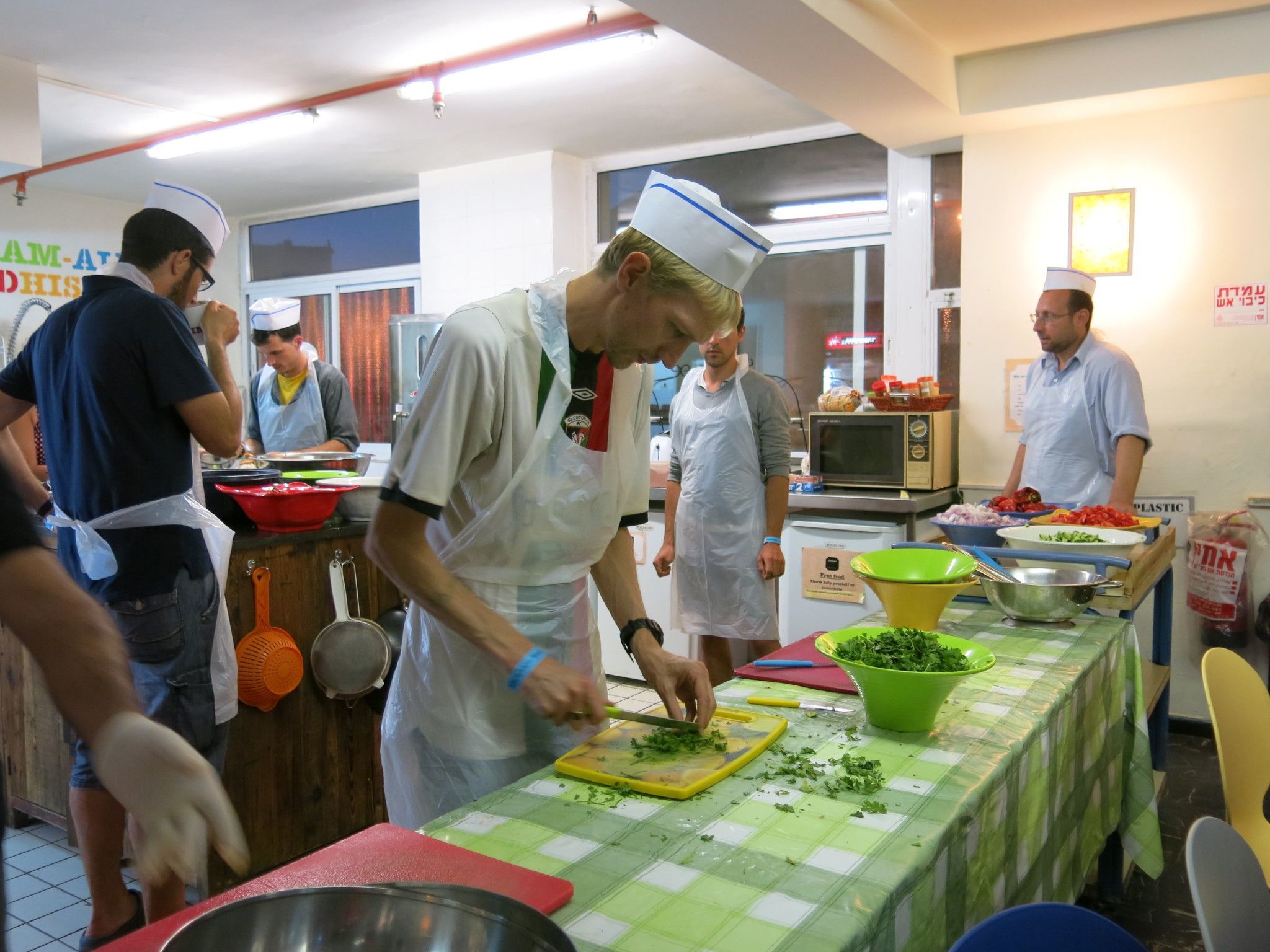
The Return of Dinner Parties: Designing a Space for Hosting
Setting the Scene with Style
A dinner part home thrives on ambience. Lighting is the most powerful tool here; soft dimmable lights, candles on the table, and perhaps a floor lamp in the corner to add warmth. Avoid overly bright overheads; instead, layer light sources to create depth and intimacy.
Textures also play a crucial role. Natural materials like oak tables, linen napkins, and ceramic plates, instantly create a tactile, grounded feel. Pairing polished surfaces with softer fabrics like velvet dining chairs or wool rugs adds sophistication without stiffness. Even flooring can contribute to the mood: warm-toned wood or parquet patterns add classic charm, while polished concrete or luxury vinyl tiles give a more contemporary edge.
Colour palettes should suit the desire tone. Earthy neutrals with soft greens or muted terracotta create a relaxed setting. Alternatively, deep blues and charcoal greys bring a moody, elegant atmosphere, especially when paired with brass or glass accents.
The Art of the Table
No dinner party design is complete without considering the table itself. A solid, well-proportioned dining table anchors the room and sets the mood. Extendable designs are ideal for hosts who vary between cosy dinners and larger gatherings.
When dressing the table, simplicity often speaks louder than extravagance. A linen tablecloth in a natural hue, a scattering of seasonal foliage, and candlelight create an effortlessly stylish scene. Mix and match tableware for a relaxed yet curated look; think matte ceramics beside cut glass or vintage silverware.
Flow and Functionality
Hosting success often hinges on how a space flows. Pathways should be clear, surfaces accessible, and seating arranged to encourage conversation. Avoid cluttering the dining area with too many decorative pieces. Instead, choose one or two statement pieces, perhaps a sideboard or a bold light feature, and let them do the talking.
If the kitchen is part of the hosting zone, consider its visual connection to the dining area. Open shelving with neatly arranged crockery or a small bar setup can make the space feel inviting rather than purely functional. Incorporating natural textures, such as stone countertops or engineered wood flooring, ensures the transition between areas feels organic and cohesive.
A Celebration of Togetherness
Ultimately, designing a home for dinner parties isn’t about impressing guests, it’s about fostering togetherness. The most memorable spaces are those that blend style with soul. They feel lived-in yet intentional, elegant yet comfortable.
Whether it’s a grand dining room with statement lighting or a small kitchen nook dressed in soft neutrals, the goal remains the same: to create a setting where people linger long after the plates are cleared away. Every design choice contributes to the overall experience of comfort and connection. It’s about crafting an atmosphere that encourages laughter, storytelling, and those small, unplanned moments that make hosting worthwhile.
The return of the dinner party home reflects a wider shift in lifestyle. We’re moving away from fast, impersonal routines and back towards more meaningful connection. And good design simply sets the stage for it.