





These Australian Road Trips Are Pure Bucket-List Gold
There is a particular freedom to driving in Australia that is genuinely difficult to replicate anywhere else. The distances are real, the landscapes shift in ways that feel almost theatrical, and the sense of having the road largely to yourself for long stretches is something that visitors from more densely populated countries find startling and addictive. A road trip here is not just a way of getting from place to place; it is often the point. Before you head off, a quick note for vapers: Australia has some of the world’s strictest vaping regulations, and understanding Australian vape laws before you travel will save you from a nasty surprise at customs or at a servo somewhere on the Nullarbor. Now, to the roads.
The Great Ocean Road, Victoria
This is the one that earns the reputation. The Great Ocean Road runs for around 240 kilometres along Victoria’s southwestern coastline, from the surf town of Torquay to Allansford near Warrnambool, and there is not a dull stretch in it. The engineering achievement alone is remarkable: the road was carved into the cliffs by returning soldiers after World War One and is dedicated to those who did not come back, which gives the whole drive a quiet gravity once you know it.
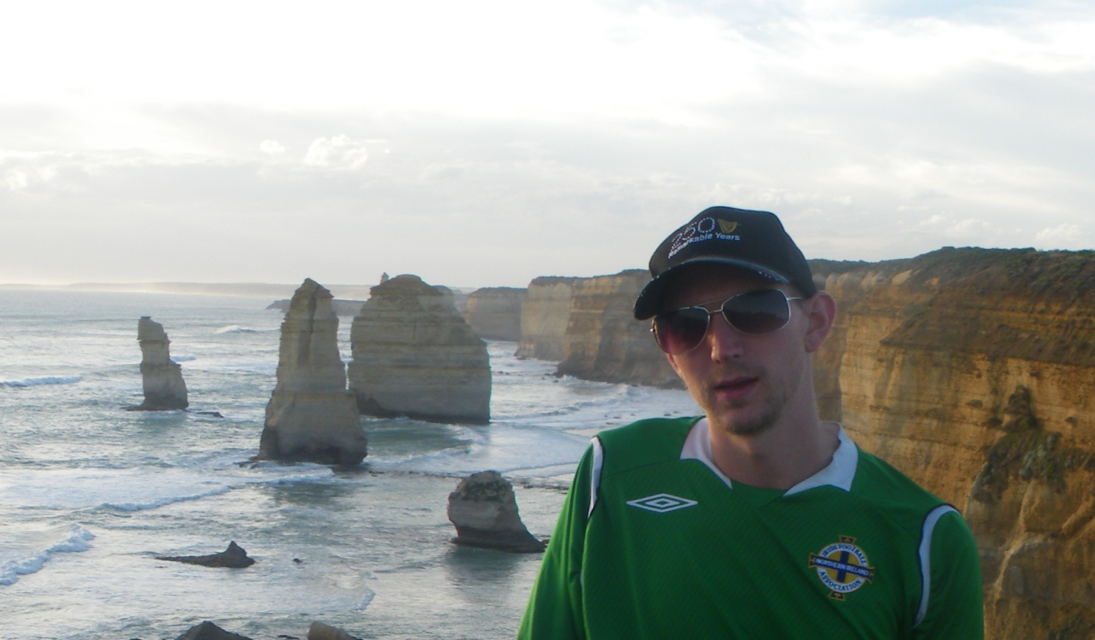
12 Apostoles, Great Ocean Road, Australia.
The Twelve Apostles are the headline attraction and they deserve their fame: limestone stacks rising from a churning Southern Ocean, best seen in the early morning before the tour buses arrive or in the last hour of light when the stone turns amber. But the drive between the landmarks is where the road earns its place on every bucket list. The coast near Lorne is postcard perfection; the rainforest sections of the Great Otway National Park, where tree ferns crowd the road and mist sits in the canopy, feel like a different country entirely; the blowholes at Port Campbell are elemental and impressive.
Allow three to four days minimum if you want to do more than drive past everything. Stop at Apollo Bay for fresh fish, walk some of the Great Ocean Walk if your legs are willing, and take the inland road back through the Otways if you want to see how different the landscape looks from the other direction. This is a drive that rewards slowing down.
The Pacific Coast Highway: Sydney to Brisbane
The Pacific Coast Highway from Sydney to Brisbane is the road trip that belongs to summer, even though it is good in every season. The route hugs the New South Wales coast for most of its 1,000 or so kilometres, passing through a series of beach towns and river mouths and national park headlands that together constitute a very specific kind of Australian beauty: eucalyptus forest coming down to white sand, pelicans on river mouths, the smell of salt and sunscreen and pine trees.
The Hunter Valley makes a worthwhile inland detour early in the trip for anyone who drinks wine; it is one of Australia’s oldest wine regions and the cellar doors are both accessible and genuinely good. Back on the coast, Port Stephens has dolphins in the bay and sand dunes large enough to sandboard. Seal Rocks is one of the best-kept secrets on the New South Wales coast. Coffs Harbour has the Big Banana, which is gloriously ridiculous, and also some genuinely beautiful national park country immediately to its north.
Byron Bay arrives near the end of the New South Wales section with all the energy and beauty its reputation promises. The lighthouse walk at sunrise is worth the early alarm. The food is exceptional by any standard. The town is crowded in summer and that is simply the price of a place this beautiful being exactly as good as everyone says it is. Cross into Queensland and the tone shifts: sugarcane fields, different light, the approach to Brisbane through Surfers Paradise and the Gold Coast, which is a phenomenon worth experiencing even if it is not quite your natural habitat.

Byron Bay
Lonely Planet’s guide to Australian road trips covers this route and most others in this guide in considerable detail, with practical suggestions on timing, overnight stops and what to prioritise if time is limited. It is one of the most useful single references for planning any Australian road trip itinerary.
The Red Centre: Into the Heart of the Country
Uluru does not photograph. Or rather, photographs of it are accurate without being true: the scale, the quality of the light on the rock at different times of day, the silence of the surrounding plain, the sense of being in the presence of something genuinely ancient. These things do not translate through a screen. You have to go.
The Red Centre road trip typically uses Alice Springs as its base or starting point, with the drive south through the West MacDonnell Ranges and on to Uluru-Kata Tjuta National Park as the core itinerary. Kings Canyon at Watarrka National Park is an hour and a half north of Uluru and worth the detour: the Rim Walk involves a steep early ascent but then delivers a plateau of weathered sandstone domes and the extraordinary Garden of Eden, a hidden gorge with a permanent waterhole fed by ancient springs.
A few things are worth knowing before you go. The Red Centre is genuinely remote and the driving distances between fuel stops are long; check your tank and carry extra water as standard practice. The cultural protocols around Uluru are real and matter: the climb has been closed permanently at the request of the Anangu people whose country this is, and this is worth knowing and respecting before you arrive. Guided tours and ranger-led walks provide context and connection to the country that self-guided visits cannot replicate. And the night sky in the Red Centre, away from any city light, is extraordinary in a way that is worth building time around.
The East Coast: Cairns to Sydney
The full east coast drive from Cairns to Sydney is the Australian road trip that takes the most time and delivers the most variety. The 2,800 kilometres from tropical north Queensland to Sydney pass through rainforest, reef, subtropical coast, country towns, wine regions and national parks, with the landscape shifting noticeably every few hundred kilometres. Done properly it takes three to four weeks; done quickly it is possible in ten days but the experience suffers considerably.
Cairns is the sensible starting point because of the Great Barrier Reef. A day trip or liveaboard dive trip to the Outer Reef from Cairns is among the most beautiful experiences Australia offers: coral in every colour, the silence of being underwater, the sheer scale of the system visible from above on the flight in. The Daintree Rainforest, an hour and a half north of Cairns, is older than the Amazon and the only place on earth where two UNESCO World Heritage areas, the reef and the rainforest, meet. It is worth a full day at minimum.
South from Cairns, Mission Beach, Airlie Beach and the Whitsunday Islands break the coastal drive in ways that reward stopping. The Whitsundays specifically warrant time: Whitehaven Beach, reached by boat from Airlie, has silica sand so fine and white that it stays cool even in full sun and the water is a shade of blue that seems improbable. Noosa in Queensland is the last truly beautiful beach town before the Gold Coast’s particular energy takes over. Byron Bay arrives again, this time from the north, and it is just as good in this direction.
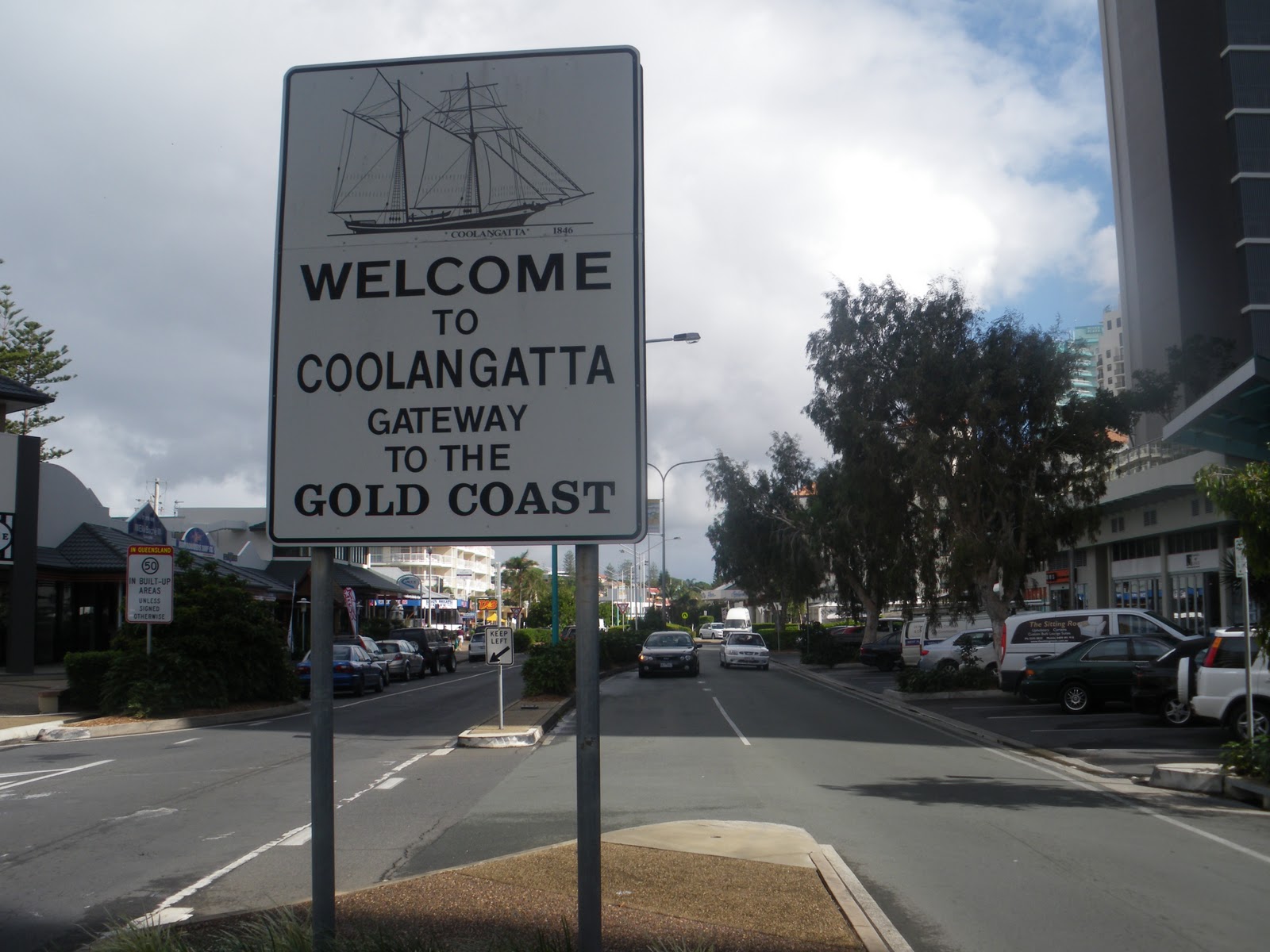
Backpacking in Coolangatta
The Gibb River Road, Western Australia
The Gibb River Road is for people who want their road trip to feel earned. This 660 kilometre unsealed track through the Kimberley region of northwestern Western Australia is one of the most spectacular drives in the country and one of the most demanding. It is open only during the dry season, roughly May to October; attempting it in the wet is not inadvisable so much as impossible in most sections. A 4WD vehicle is not recommended but required.
The Kimberley is a landscape unlike anything else in Australia: ancient sandstone ranges in shades of ochre and rust, boab trees with swollen trunks that look as if they belong in a children’s illustration, gorges with permanent waterholes so clear you can see the detail of the rock ten metres below the surface. Bell Gorge, Manning Gorge and Windjana Gorge are the highlights most travellers prioritise, but the driving itself through the ranges and floodplains and station country has its own quality that is worth being present for.
This is a trip that rewards preparation. Carry extra fuel and water as absolute basics. Inform someone of your route and expected timing. Camp at established campgrounds where they exist and observe fire restrictions. The remoteness is part of the point, and it is not the kind of remoteness that forgives poor planning.
Planning the Trip Well
Vehicle
The right vehicle depends entirely on the road. The Great Ocean Road and the Pacific Coast Highway are manageable in any car; the comfort and fuel efficiency of a regular vehicle makes more sense than a larger one for these sealed coastal drives. The Red Centre and East Coast work well in a campervan if you want the flexibility of camping; the freedom to stop when the light is right or when you stumble across somewhere you want to stay longer is genuine and valuable. The Gibb River Road requires a 4WD with good clearance, a snorkel for the creek crossings, and ideally some experience with recovery in remote conditions.
Fuel and distances
Australian distances are serious. The stretch between Alice Springs and Uluru is 450 kilometres of largely empty road. The Nullarbor Plain between South Australia and Western Australia crosses 1,200 kilometres with very limited services. Even on the more populated east coast, the distances between towns can be long enough that running low on fuel is a real possibility rather than a theoretical one. Check the distance to the next fuel stop whenever you leave a town in regional or remote areas and fill up when you are at half a tank rather than waiting for the warning light.
Camping versus accommodation
Australia has excellent national park campgrounds throughout the country, many of which are in spectacular locations that no hotel can replicate. Booking in advance is essential for popular campgrounds, particularly on long weekends and school holidays when sites sell out weeks ahead. The free camping culture that exists in some other countries is limited here; most areas require a site booking, particularly inside national parks. Commercial campgrounds and caravan parks are well-distributed along all the major routes and generally offer good facilities at reasonable prices.
Wildlife on the road
Driving at dawn and dusk in regional and rural Australia carries genuine wildlife risk. Kangaroos are active at these times and can be large enough to cause serious vehicle damage in a collision. Wombats are low to the ground and solid enough to destroy suspension. Emus are unpredictable. The practical advice is to avoid driving in regional areas at dawn and dusk where possible, reduce speed in areas where wildlife is likely, and treat any animal on the road as a reason to slow down rather than swerve.
Tourism Australia’s official road trip planning guide covers all the major routes featured in this guide with itinerary suggestions, seasonal timing advice and links to booking tools for accommodation and activities. It is the most comprehensive single starting point for planning any of these trips.
The Road Is Waiting
Every one of the drives in this guide offers something that justifies the planning and the distance. The Great Ocean Road for sheer coastal drama. The Pacific Coast Highway for the combination of beauty and ease. The Red Centre for the experience of being in the presence of something genuinely ancient. The East Coast for variety and sheer Australian abundance. The Gibb River Road for the people who want their adventure to feel like one.
Pick the one that fits your time and your appetite for remoteness, plan the practical details with honest attention to fuel and conditions and weather, and then get on the road. The country reveals itself differently from behind a windscreen than it does from any other vantage point, and that revelation is reliably worth whatever it takes to get there.