





The end of a marriage can leave life feeling empty. After all the forms are signed and the legal steps are over, it is common for people to feel lost about what comes next. Travel often helps people find hope again by opening up new places and fresh ways of thinking, as many personal stories highlight the healing power of adventure.

Travel as Therapy After Personal Heartbreak
Heartbreak often removes routines and future plans, pushing people to re-examine who they are without their former relationship. This moment can lead to self-discovery because the loss of partnership brings space to assess core values and personal interests. While legal professionals handle the formal challenges, the emotional journey requires different navigation tools altogether.
For many UK residents who’ve experienced separation, packing a suitcase and stepping into unfamiliar territory creates both physical and mental distance from daily reminders of loss. This separation can make it easier to process emotions, reconsider former habits, and try new experiences that help rebuild a sense of identity.
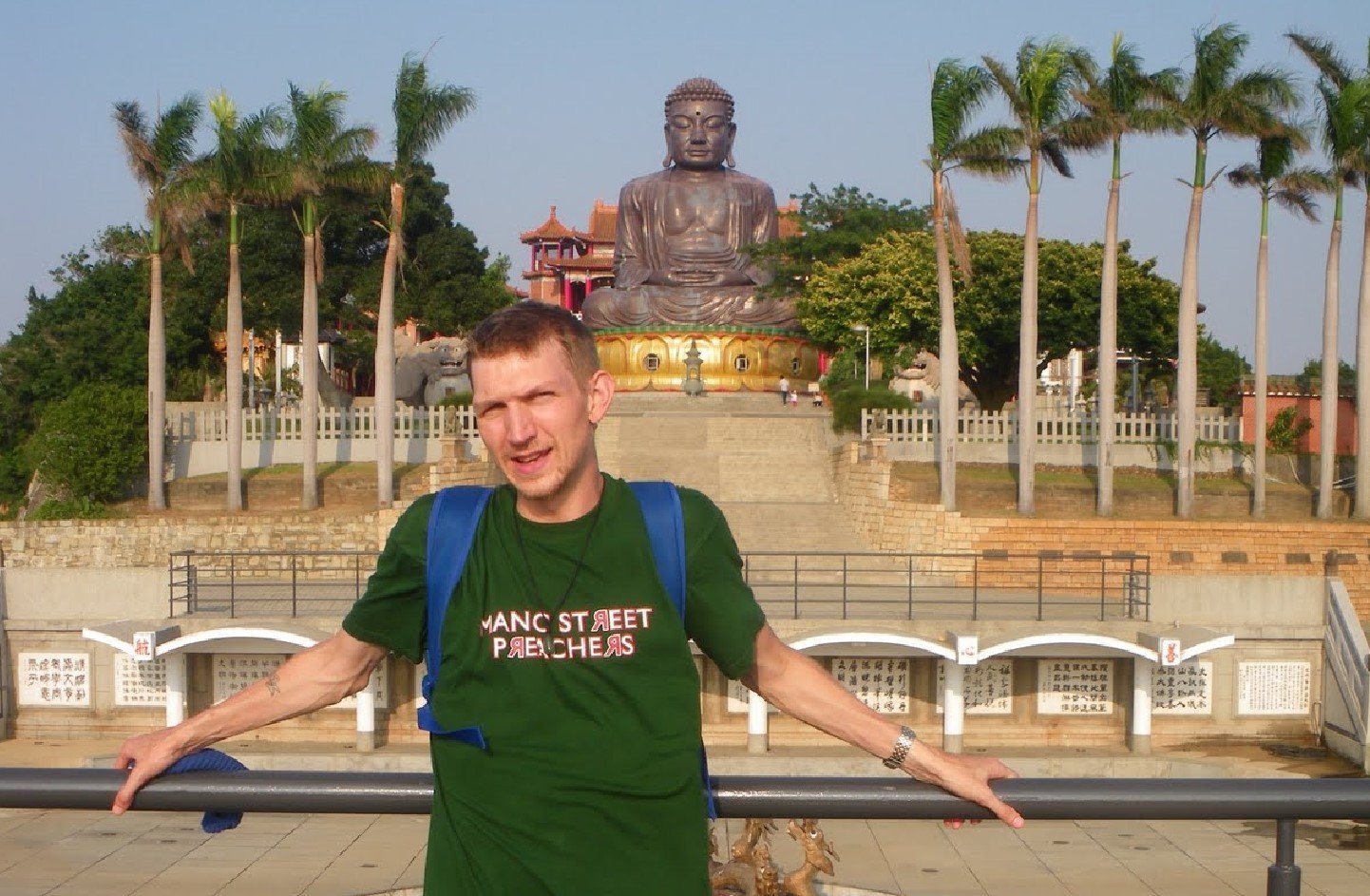
Backpacking in Taiwan: Touring Changhua City and Baguashan
The benefits of travel after personal loss go beyond being a simple distraction. Visiting new places and stepping away from a familiar environment can help break emotional patterns linked to heartbreak. Changing location allows for reflection in a setting free from everyday triggers.
Someone might set out on a solo journey through Southeast Asia or take part in a structured retreat in the Mediterranean; travel invites new routines and viewpoints that support recovery.
How Travel Creates Space for Emotional Healing
When someone leaves a familiar environment, especially one filled with painful memories, the brain can begin processing differently. Physical distance from places associated with a former relationship creates space for new thoughts. This separation isn’t about running away but creating needed space for reflection.
Personal accounts from divorce coaches and travellers suggest that changing environments and engaging with new cultures can help form new perspectives. For example, spending time in unfamiliar cities or learning new languages involves active brain engagement. This mental stimulation can help shift thinking patterns.
Many who travel after separation report feeling a sense of freedom that was previously blocked by pain. The period after legal proceedings conclude is an important time for emotional recovery, as specialist divorce law firm Stowe Family Law notes. Travel offers a positive way to use this time.
Creating Meaningful Solo Travel Experiences
For first-time solo travellers dealing with heartbreak, starting small can build confidence. Weekend trips to nearby cities or joining guided tours provide structure while easing into independent travel. This gradual approach can help with the emotional vulnerability that often accompanies post-divorce journeys.
Finding the right balance between planned activities and free time is important. Too much structure leaves little room for spontaneous discoveries. Too much unplanned time might lead to dwelling on painful thoughts.
Safety considerations take on added importance when travelling during emotionally vulnerable periods. Feeling unsettled after a divorce or separation can affect judgment, so sharing an itinerary with a trusted friend or family member offers real support if plans change unexpectedly.
Legal Considerations When Travelling During Divorce
Travel during or after divorce requires attention to practical details that many overlook. Passport issues often arise, especially for those who changed names during marriage. Updating identification documents before departure helps avoid complications at border crossings.
For parents with shared custody, travel restrictions may apply. Court orders sometimes limit how far and how long a parent can travel with children. These restrictions protect both parents’ rights to maintain relationships with their children.
Financial factors also matter during this transition. Joint accounts might need monitoring or closure before extended travel. Some divorce settlements include specific provisions about assets used for travel. Being aware of these details helps prevent misunderstandings later.
International Travel and Divorce Jurisdiction Issues
Extended stays abroad can sometimes impact divorce jurisdiction. Most UK divorces require at least one spouse to maintain habitual residence in England or Wales. Lengthy travel might raise questions about residency status in some cases.
Travellers should keep copies of important legal documents, including divorce papers, custody agreements, and court orders. Digital and physical copies stored securely provide peace of mind if questions arise while abroad.
Digital options for handling legal matters have expanded greatly. Courts increasingly accept virtual appearances for certain proceedings. Online portals allow secure document submission from anywhere with internet access. These tools make travel more compatible with ongoing legal processes.
Rebuilding Identity Through Cultural Immersion
Experiencing different cultures offers new perspectives after separation. When someone steps outside familiar social contexts, they often rediscover parts of themselves that became hidden during marriage. This process forms an important part of rebuilding personal identity.
Learning even basic phrases in a new language engages the brain in positive ways. Language study requires focus and creates a sense of achievement. These small victories can help build confidence during a time when self-esteem often suffers.
Finding Community Through Group Travel Experiences
Group travel experiences provide opportunities to practice social skills. Cooking classes, walking tours, and volunteer programmes bring together people with shared interests. These temporary communities offer connection without the pressure of explaining personal circumstances.
Transformation can take place as people embrace cultural exchange after separation. Sometimes, all it takes is a conversation with a stranger at a café or learning a recipe from a local cook to spark a new mindset. These small moments of connection often shape a renewed self-image.
Creating Uplifting Rituals and Closure Experiences
Choosing destinations based on emotional needs matters more than following typical tourist routes. Those seeking adventure might find hiking in Scotland or surfing in Portugal helpful for rebuilding confidence. Others needing quiet reflection might prefer meditation retreats in rural settings.
Making travel meaningful after divorce often involves creating intentional routines that support healing. Setting aside daily time for journalling about experiences provides structure and helps track emotional progress. Attending guided activities like yoga sessions offers opportunities for interaction with others.
Building a support network that extends beyond the travel period creates continuity. Online communities for solo travellers or divorce recovery groups offer connections that last after returning home. These relationships bridge the gap between travel experiences and building a new daily life.