





South Korea has emerged as one of the world’s most exciting culinary destinations, where ancient traditions meet modern innovation on every plate. Understanding what to eat in South Korea transforms a simple vacation into an unforgettable gastronomic adventure. From sizzling Korean BBQ Seoul establishments to vibrant street food markets, this Korean food guide reveals the best Korean dishes for tourists and must-try Korean street food that defines authentic Korean cuisine. Whether you’re planning your first visit or returning for deeper exploration, discover the flavours that make Korean food a global phenomenon.
What to Eat in South Korea: Korean Food Guide
Understanding Korean Cuisine Culture
Before diving into specific dishes, understanding Korean dining culture enhances every meal. Korean cuisine emphasises communal eating—dishes arrive simultaneously for sharing, creating convivial atmosphere. The concept of “banchan” (side dishes) means every meal includes complimentary refillable pickled vegetables, kimchi, and small plates accompanying your main order. Don’t be surprised when five to ten small dishes arrive before your entrée.
Korean meals balance flavours through the “five taste principles”: sweet, sour, salty, bitter, and spicy. Texture variety matters equally—crunchy vegetables contrast tender meats, chewy noodles complement smooth broths. This philosophical approach to what to eat in South Korea creates complex, satisfying meals regardless of price point.You can try these Korean delicacies when you sign up for a South Korea Group Tour by Indus Travels.
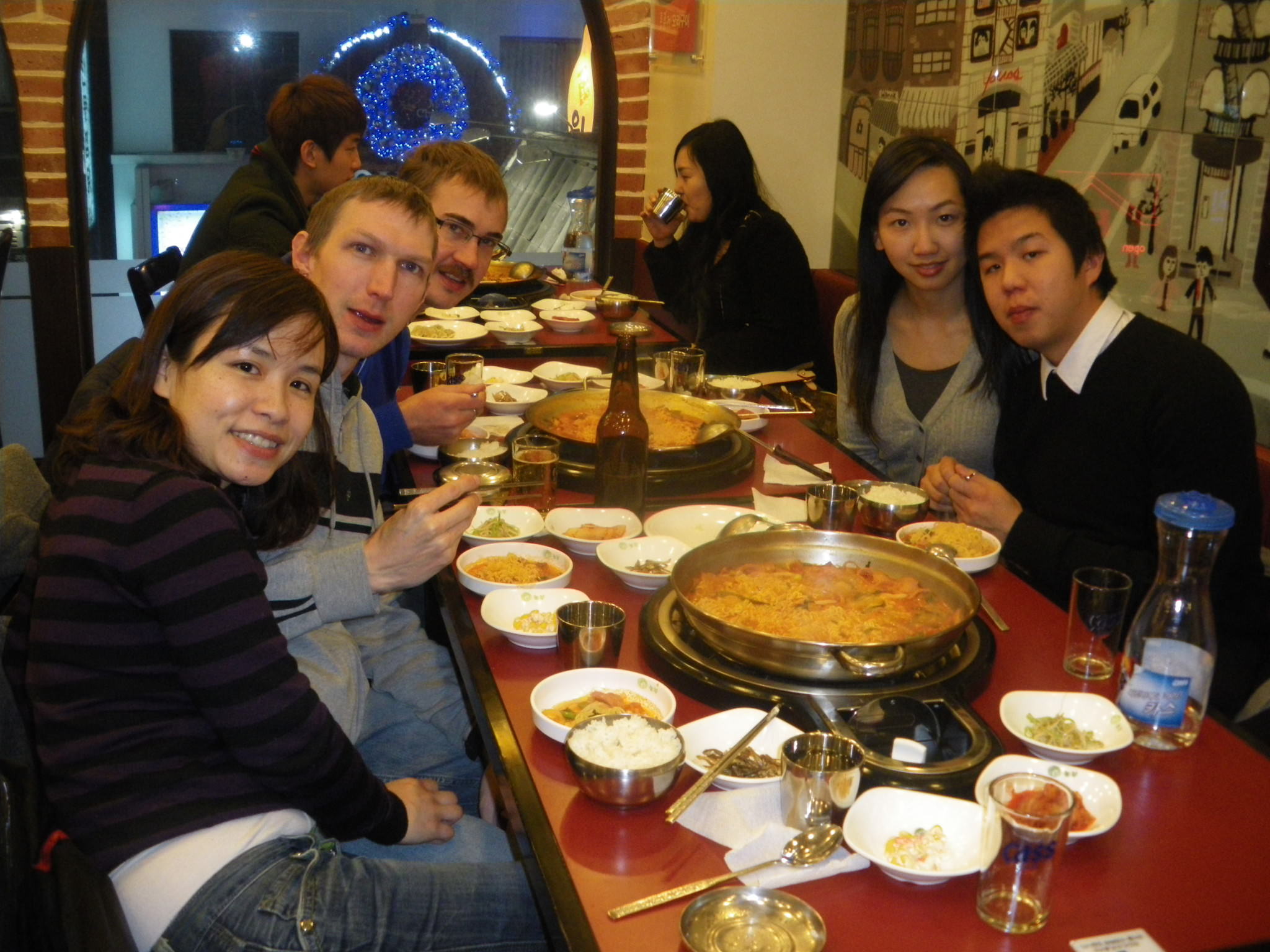
Monday’s Money Saving Tips: Communal Eating in Seoul, South Korea.
Korean BBQ: The Ultimate Dining Experience
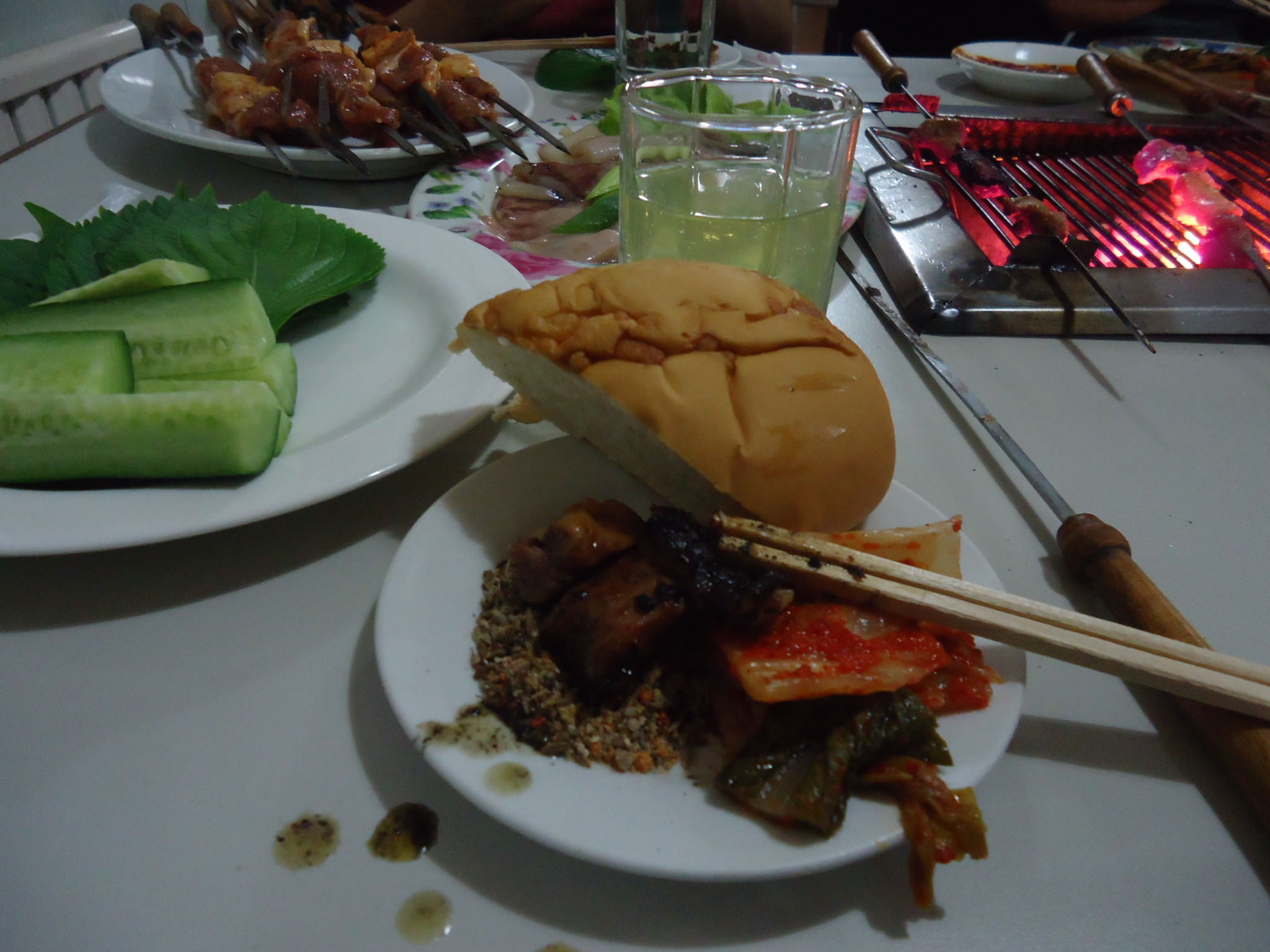
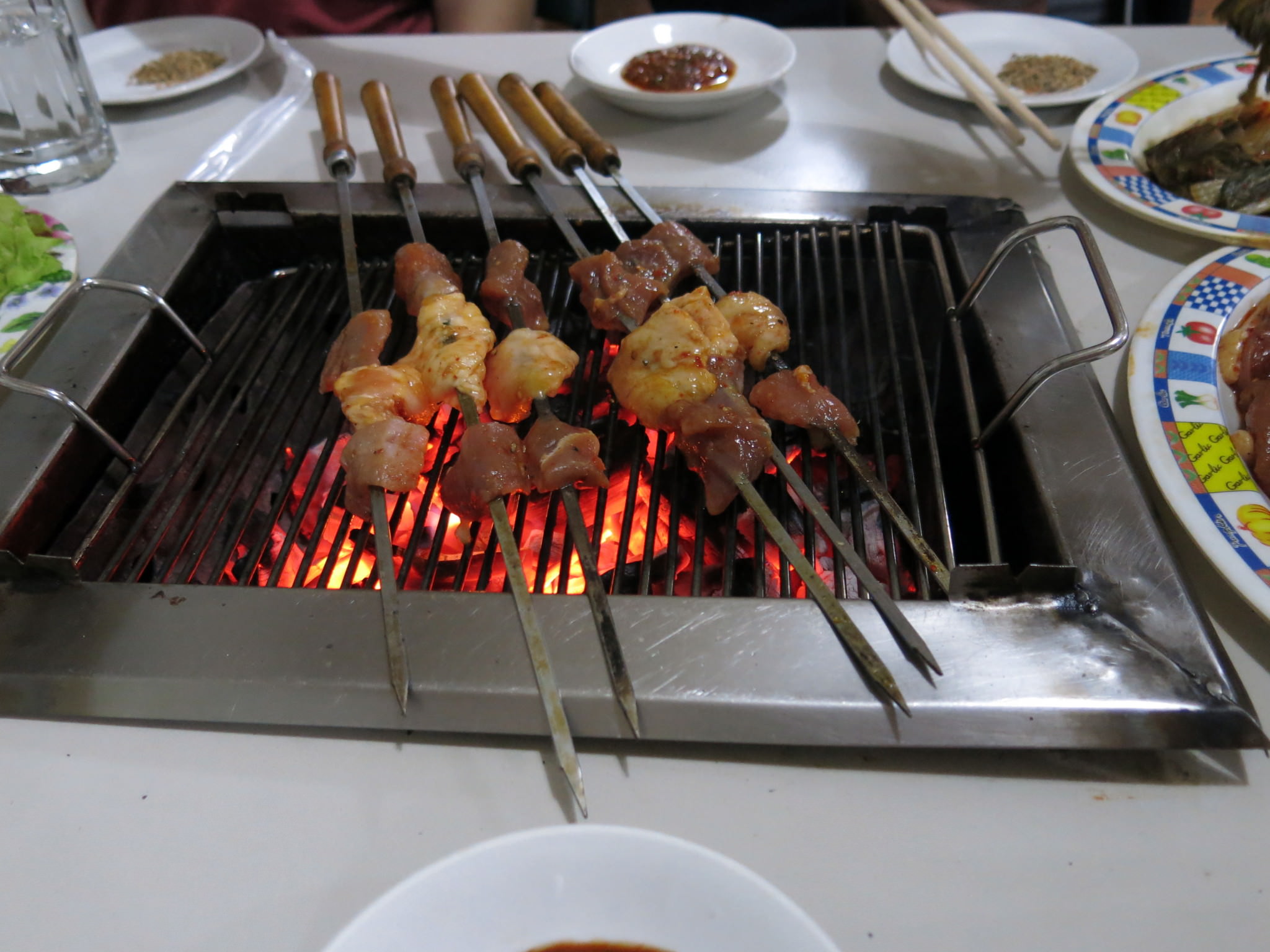
No Korean food guide is complete without dedicating substantial attention to Korean BBQ—the nation’s most celebrated culinary tradition. Korean BBQ experiences in Seoul range from affordable neighbourhood joints to Michelin-listed establishments, but all share the thrilling experience of grilling premium meats table side.
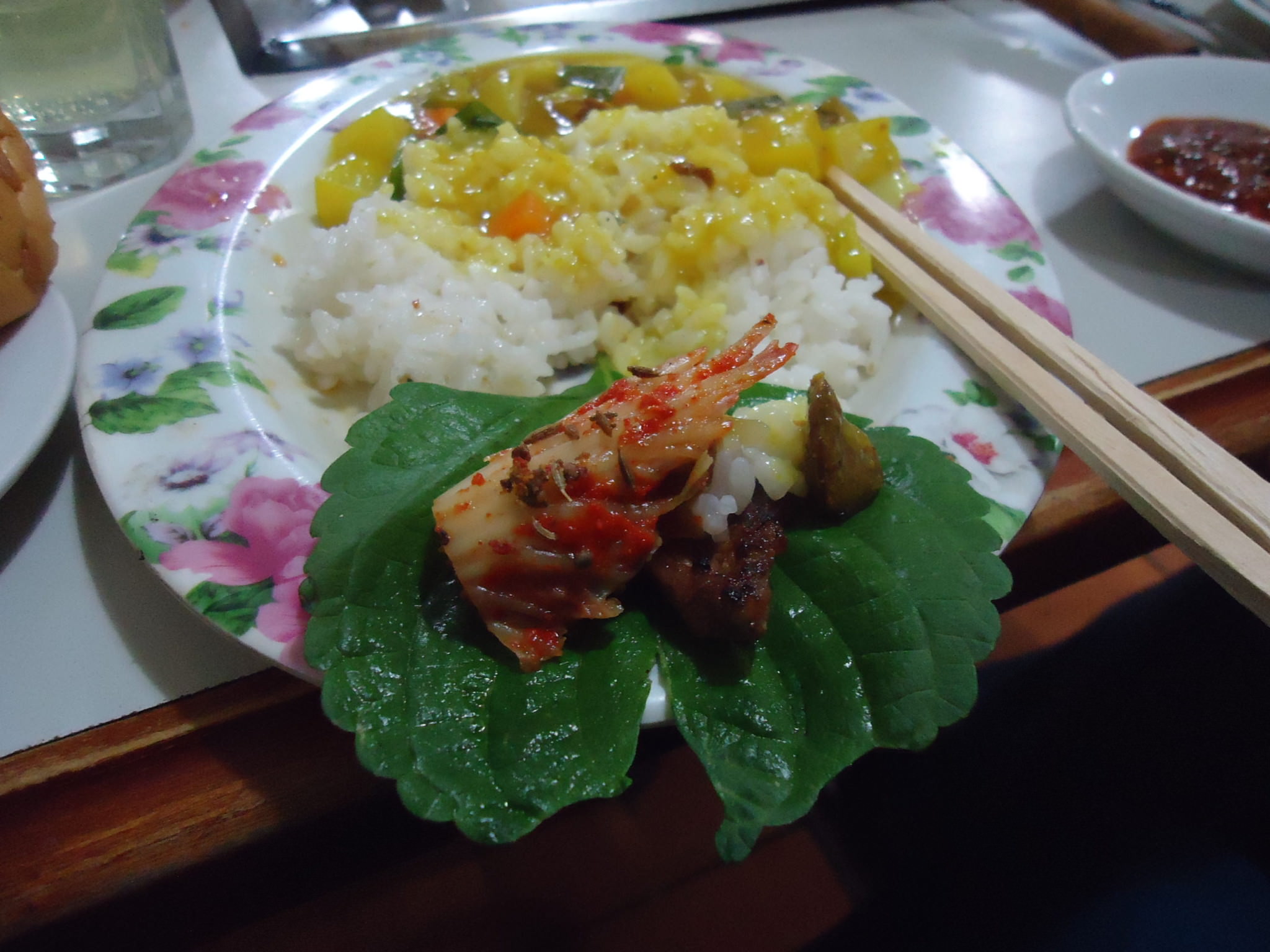
Samgyeopsal (grilled pork belly) reigns as Korea’s undisputed BBQ king. These thick, fatty pork belly slices grill at your table, releasing irresistible aromas. Wrap grilled meat in fresh lettuce leaves with garlic, ssamjang (spicy paste), and grilled kimchi for the perfect bite. Average cost: ₩16,000-₩20,000 per 150g serving.
Galbi (marinated short ribs) features beef or pork ribs marinated in a sweet-savory sauce made from soy, garlic, and pear juice. Suwon’s famous beef ribs often measure over 15cm in bone length. Galbi represents Korean BBQ’s premium tier—expect ₩35,000-₩60,000 for beef, ₩17,000-₩22,000 for pork.
What to Eat in South Korea: Korean Food Guide
Bulgogi (marinated beef BBQ) consists of thinly sliced beef marinated in sweet soy sauce mixture that cooks quickly on convex grills. The savory juices collecting in the grill’s trough mix beautifully with rice. This dish appears on every “best Korean dishes for tourists” list for its approachable flavors and tender texture.
Top Seoul BBQ destinations include Born & Bred in Majang-dong for Michelin-level Hanwoo beef, Maple Tree House in Itaewon with English menus and excellent samgyeopsal, and Geumdwaeji Sikdang near Sindang Station drawing celebrity clientele for expertly grilled pork and kimchi jjigae.
What to Eat in South Korea: Korean Food Guide
Must-Try Korean Street Food
Korean street food culture thrives in dedicated markets and roadside stalls, offering budget-friendly authentic Korean cuisine experiences. These must-try Korean street food items cost ₩2,000-₩8,000 each, allowing extensive sampling without breaking budgets.
Tteokbokki (spicy rice cakes) features chewy cylindrical rice cakes swimming in bright red gochujang (fermented chili paste) sauce. The sweet-spicy addictive sauce makes this must-try Korean street food a national obsession. Cost: ₩3,000-₩5,000.
Hotteok (sweet pancakes) are pan-fried doughy pancakes oozing with brown sugar, cinnamon, and crushed nuts. The crispy exterior gives way to molten sweet filling—perfect for cold weather. BIFF Square in Busan serves legendary ssiat hotteok (seed-filled version). Cost: ₩1,000-₩2,000.
What to Eat in South Korea: Korean Food Guide
Korean corn dogs elevate the concept dramatically. Thick hot dogs get coated in yeasted batter, often studded with diced potato or ramen noodles before deep frying. The result: impossibly crispy exterior, juicy interior. Cost: ₩3,000-₩5,000.
Bungeoppang (fish-shaped pastries) are walnut-shaped winter street snacks traditionally containing sweetened red bean paste, though custard cream versions exist. Cost: ₩1,000-₩2,000.
Odeng (fish cake skewers) feature pressed fish cakes on wooden skewers simmering in savory broth at street stalls. Grab skewers to eat while sipping the complimentary warm broth. Cost: ₩1,000 per skewer.
What to Eat in South Korea: Korean Food Guide
Gwangjang Market in Seoul offers authentic bindaetteok (mung bean pancakes) made fresh from ground mung beans, plus mayak gimbap (“drug kimbap”—named for its addictiveness). Myeongdong thrives with international tourists, featuring glazed fruit skewers, tornado potatoes, and foot-long soft serve.
Essential Korean Restaurant Dishes
Beyond BBQ and street food, Korean restaurants serve soul-warming dishes that locals eat daily. These represent what to eat in South Korea for authentic everyday experiences.
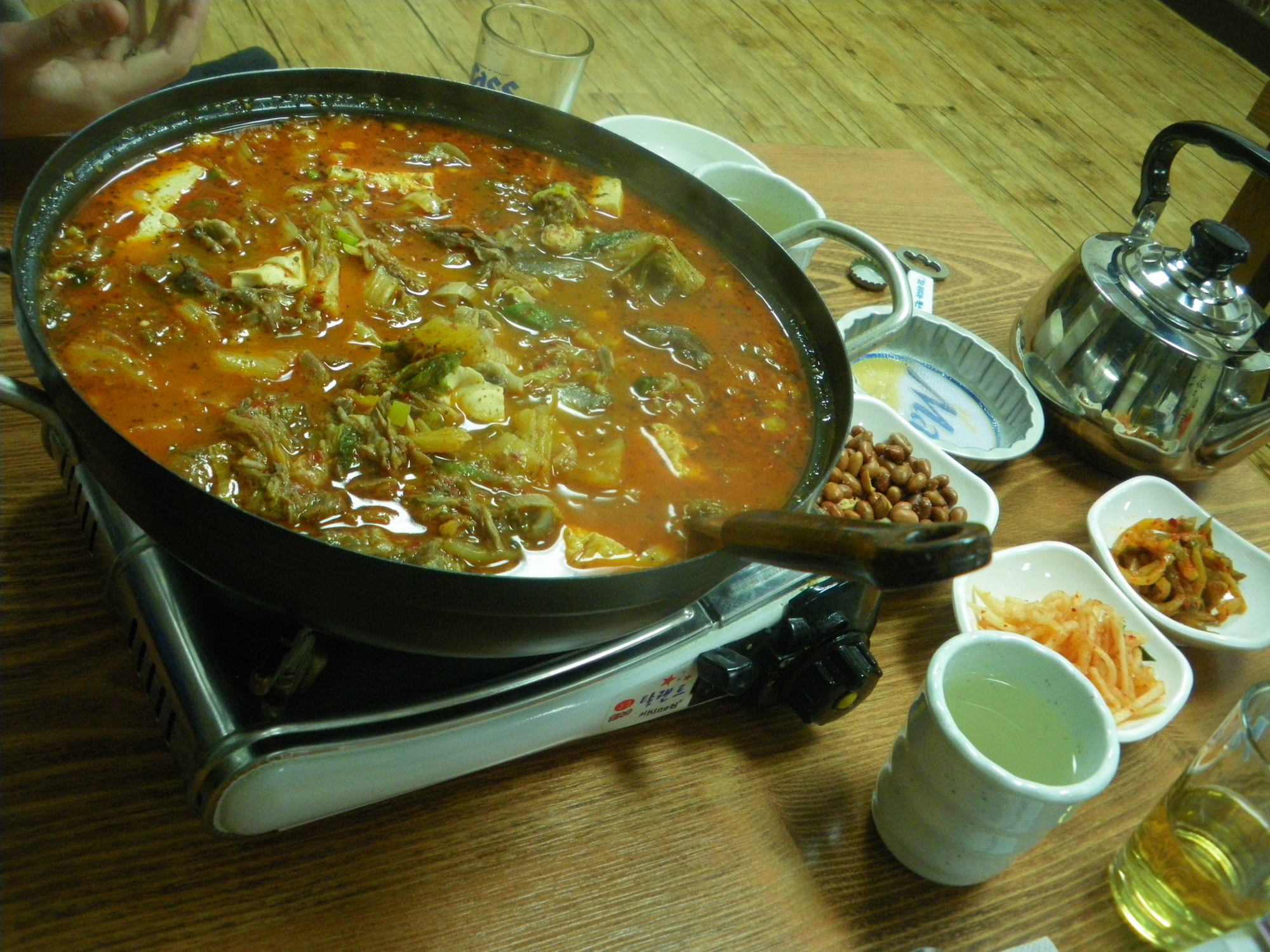
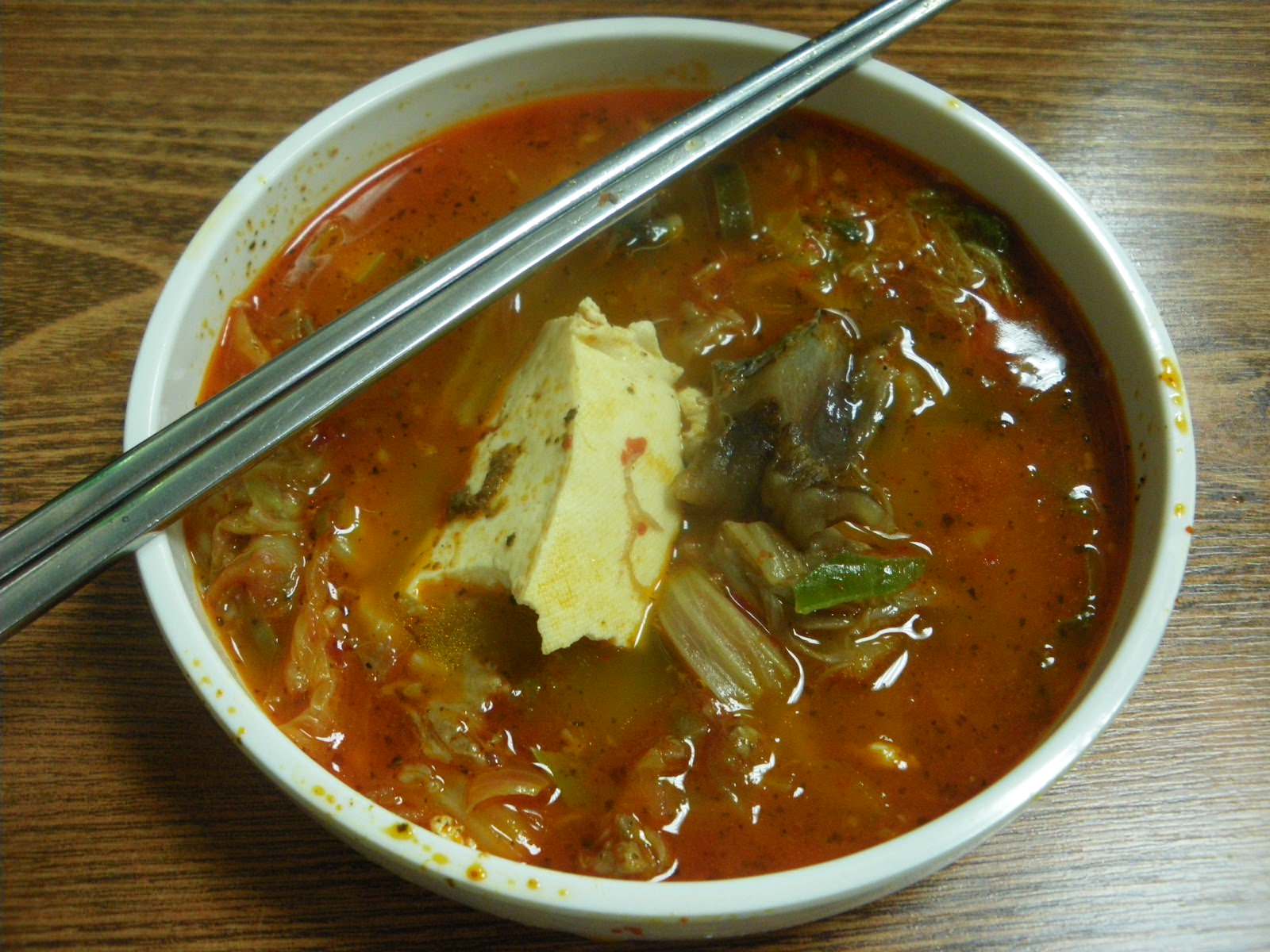
Kimchi jjigae (kimchi stew) bubbles with fermented kimchi, pork, and tofu, ranking among Korea’s most beloved comfort foods. The longer kimchi ferments, the better the stew tastes. Served with rice and banchan, it’s affordable (₩5,000-₩7,000) and deeply satisfying.
Sundubu jjigae (soft tofu stew) features silky soft tofu, seafood, vegetables, and raw egg bubbling in spicy broth served in stone pots. The egg cooks in residual heat as you eat. This warming stew costs ₩5,000-₩8,000.
Bibimbap (mixed rice bowl) combines rice, vegetables, meat, fried egg, and gochujang in a bowl (or sizzling stone pot for dolsot bibimbap). Mix everything thoroughly before eating. The crispy rice crust from stone pot versions adds textural contrast. Cost: ₩8,000-₩12,000.
Jjajangmyeon (black bean noodles) features thick wheat noodles topped with sweet black bean paste sauce containing pork and vegetables. Paired with tangsuyuk (sweet-sour pork), it’s Korea’s favorite delivery food. Cost: ₩6,000-₩8,000.
Jjamppong (spicy seafood noodles) is jjajangmyeon’s spicy cousin, featuring rich broth loaded with mussels, squid, shrimp, and vegetables. Cost: ₩7,000-₩9,000.
Samgyetang (ginseng chicken soup) presents whole young chicken stuffed with rice, ginseng, jujube, and garlic simmering in broth. Traditionally eaten during summer’s hottest days, the “fight fire with fire” philosophy supposedly cools the body. Cost: ₩15,000-₩20,000.
Korean fried chicken achieves impossibly crispy exteriors through double-frying technique. Varieties include original, soy garlic, spicy gochujang, and honey butter. “Chimaek” (chicken + maekju/beer) represents quintessential Korean dining culture. Half chicken: ₩18,000-₩25,000.
Noodle Varieties and Rice Dishes
Korean noodle culture showcases regional specialties worth seeking. Kalguksu (knife-cut noodles) features hand-cut wheat noodles in savory chicken or clam broth. Japchae (glass noodles) consists of sweet potato starch noodles stir-fried with vegetables and beef—a celebratory dish. Naengmyeon (cold buckwheat noodles) in icy broth refreshes during summer heat.
Kimchi-bokkeumbap (kimchi fried rice) uses over-fermented kimchi fried with rice, topped with sunny-side egg—simple, cheap (₩6,000-₩8,000), deeply comforting. Gukbap (rice soup), a Busan specialty, serves rice in boiling pork broth—ultimate Korean fast food at ₩8,000-₩10,000. Kimbap resembles sushi rolls but with Korean flavors: pickled radish, egg, ham, carrots, spinach rolled in seaweed—perfect portable meal at ₩3,000-₩4,000.
Korean Desserts and Sweet Treats
Bingsu (shaved ice) transforms a simple concept into art—fluffy shaved milk ice topped with red beans, fruit, condensed milk, and rice cakes. Patbingsu (red bean version) remains classic, while variations include mango, strawberry, and Oreo. Summer essential costing ₩8,000-₩15,000.
Hodugwaja (walnut pastries) are walnut-shaped snacks filled with walnuts and red bean paste. The aroma draws customers from blocks away. Yakgwa (honey cookies) offer traditional fried cookie soaked in honey—chewy, sweet, slightly greasy in best way.
Practical Dining Tips
Most establishments don’t expect tips—service charges are included. Press table buttons to call servers rather than waving. Free water and banchan refills are standard. Many restaurants specialise in single dishes, so don’t expect extensive menus.
Budget ₩5,000-₩10,000 for casual meals, ₩15,000-₩30,000 for mid-range restaurants, ₩50,000+ for premium experiences. Street food allows extensive sampling for ₩15,000-₩20,000 total. Download Naver Maps and consider Papago translation app for menus.
Popular areas include Myeongdong (tourist-friendly), Hongdae (university area), Gangnam (upscale), Itaewon (international cuisine), and traditional markets for authentic experiences.
Conclusion
This Korean food guide provides an essential foundation for understanding what to eat in South Korea. From legendary Korean BBQ Seoul establishments to humble street food stalls, Korean cuisine offers something for every palate and budget.
The best Korean dishes for tourists balance familiarity and adventure—samgyeopsal and bibimbap provide accessible entry points, while dishes like gamjatang reward adventurous eaters. Must-try Korean street food items like tteokbokki and hotteok cost mere dollars yet deliver memorable flavours.
Authentic Korean cuisine in 2026 continues evolving while honoring tradition. Whether visiting for cultural attractions or culinary exploration, Korean food deserves equal billing with any experience. Start planning your culinary adventure—Korean cuisine awaits with flavours and experiences that will keep you returning for more.