





A backpack worn for an hour reveals very little about its true comfort or build quality. The real test comes from carrying the same pack for 10 or 12 hours across long days, where every poorly placed strap, weak seam, or awkward weight distribution becomes impossible to ignore.
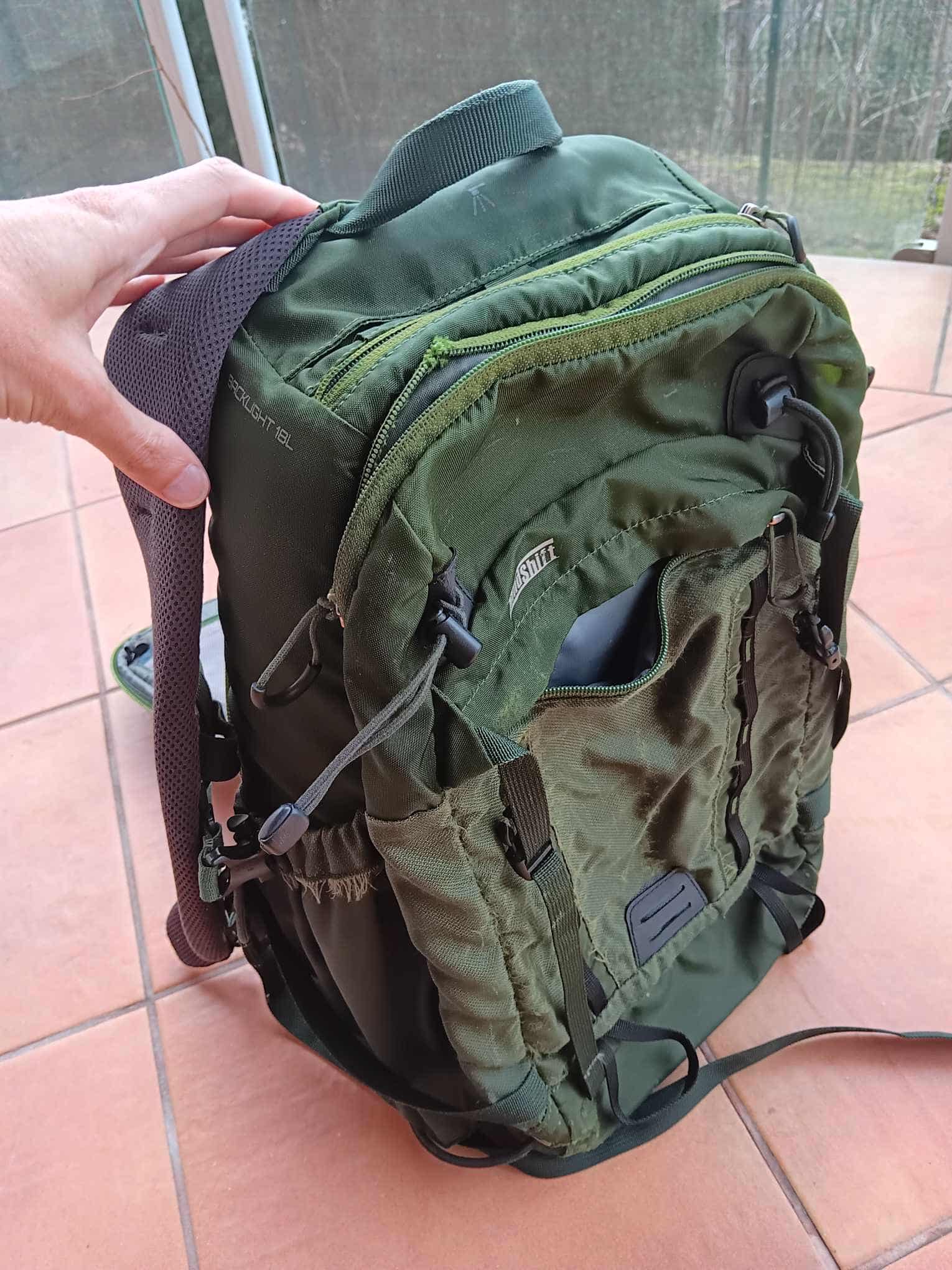
What to Look for in a Tactical Backpack Built for All-Day Carry
All-day carry demands a different standard than weekend hiking or short commutes, and not every tactical pack meets it. The features that make it suitable for extended wear can vary widely. To evaluate tactical backpacks for all-day comfort, it’s important to understand which elements actually matter and which are surface features that look impressive without affecting real performance.
Shoulder Strap Design and Padding
Shoulder straps carry most of the load in a typical tactical pack, and their design has more impact on all-day comfort than almost any other feature. Thin or poorly contoured straps create pressure points that become unbearable after a few hours, even with moderate loads.
Backpack shoulder straps can cause substantial soft tissue strains in the area of the brachial plexus, potentially affecting normal nerve conductivity during extended wear. This finding underscores why strap design matters so much for packs intended for all-day use.
Look for wide, contoured straps with high-density foam padding, breathable mesh covers, and reinforced attachment points where the strap meets the pack body.
Effective Load Transfer to the Hips
The shoulders are not built to carry heavy loads for extended periods. The pelvis is, which is why every quality tactical pack designed for all-day wear includes a functional hip belt. A well-designed hip belt transfers most of the pack’s weight from the shoulders to the hips, where larger muscles and skeletal structure handle the load far more efficiently.
Hip belts on serious carry packs are padded, contoured to wrap the iliac crest, and wide enough to distribute pressure across a meaningful surface area. Thin webbing belts or token padded sections do not provide real load transfer and offer little benefit beyond keeping the pack from swinging. Removable hip belts are common, but the pack should be tested with the belt in place to confirm it actually carries weight.
Back Panel Ventilation
Heat buildup against the back becomes a serious comfort issue over long carry periods. A pack pressed tightly against the body for ten hours traps sweat, raises skin temperature, and contributes to fatigue in ways that are easy to underestimate. Quality all-day carry packs typically use back panels with channels, mesh-covered foam pads, or suspended mesh designs that allow air to circulate between the body and the pack.
Frame and Structural Support
Frameless packs work for light loads but struggle to maintain their shape under heavier weights, which translates to discomfort during extended wear. Internal frame sheets, aluminum stays, or molded back panels give the pack the structure needed to transfer load properly and maintain its shape regardless of how it is packed.
The frame should be rigid enough to hold its form under load but flexible enough to move with the body. Overly stiff frames create their own discomfort by fighting against natural movement, while frames that are too soft fail to transfer load to the hip belt.
Load Lifter Straps and Adjustability
Load lifter straps connect the top of the shoulder straps to the upper portion of the pack body. They pull the weight closer to the wearer’s center of gravity and prevent the pack from sagging backward, which improves balance and reduces shoulder fatigue over long carry periods.
A pack built for all-day wear should include load lifters along with multiple other adjustment points, including sternum straps, hip belt tensioners, and torso length adjustments. The more precisely the pack can be fitted to an individual body, the better it performs over extended use.
Compartment Access Without Removal
A pack that must be removed from the shoulders every time something is needed disrupts the rhythm of a long day and adds wear to the user. Side-access pockets, top-load designs with quick-access lids, and shoulder strap or hip belt pockets all allow items to be retrieved without breaking stride.
This kind of access matters a lot. Over the course of a long day, the cumulative time and effort saved by not removing the pack adds up significantly.
The Weight of the Pack
Empty pack weight is easy to overlook but becomes important during all-day carry. A pack that weighs five pounds before anything goes inside means five extra pounds carried for every hour of use. Lighter materials and minimalist designs make sense for users who prioritize all-day comfort over maximum durability under extreme conditions.
Built to Disappear Into the Day
The best all-day tactical pack is one the wearer stops noticing after the first hour. Construction quality, load distribution, ventilation, and thoughtful adjustability all contribute to a pack that handles long days without becoming the focus of attention itself.