





Managing focus in a loud, open office takes serious effort when you have attention-deficit hyperactivity disorder (ADHD). Visual distractions, loud talkers, and ringing phones constantly break your train of thought.
Standard time management advice rarely fits a neurodivergent brain working under pressure. Finding real solutions requires changing how you handle tasks, set boundaries, and support your brain health throughout the day.
What Works for ADHD Support in Busy Work Environments
The Reality of Workplace Overload
Modern office designs often prioritize open communication over quiet focus. For an ADHD brain, this means every background noise competes for your attention. A nearby chat or a clicking keyboard pulls your mind away from your actual work assignments. Staying on task requires constant energy, leading to fast mental fatigue before the afternoon arrives.
Working in these setups means processing thousands of sensory inputs at once. Your brain struggles to filter out useless background information, making deep focus almost impossible. Recognizing how these elements drains your energy helps you pick better coping tools.
Supplementing Your Brain Health
Daily nutrition and targeted lifestyle choices support your focus when work demands get heavy. Many adults look into the best over-the-counter ADHD supplements to build a reliable foundation for mental clarity. Finding ways to sustain attention naturally gives you a steady edge during long meetings and complex tasks. Regular tracking helps you see which choices improve your daily alertness.
A publication noted that research points toward omega-3 fatty acid intake showing benefits for hyperactivity and attention. Combining healthy eating habits with targeted nutrition supports smoother cognitive function over time. Keeping your physical health steady makes managing external office chaos much easier.
Adjusting Your Visual Boundaries
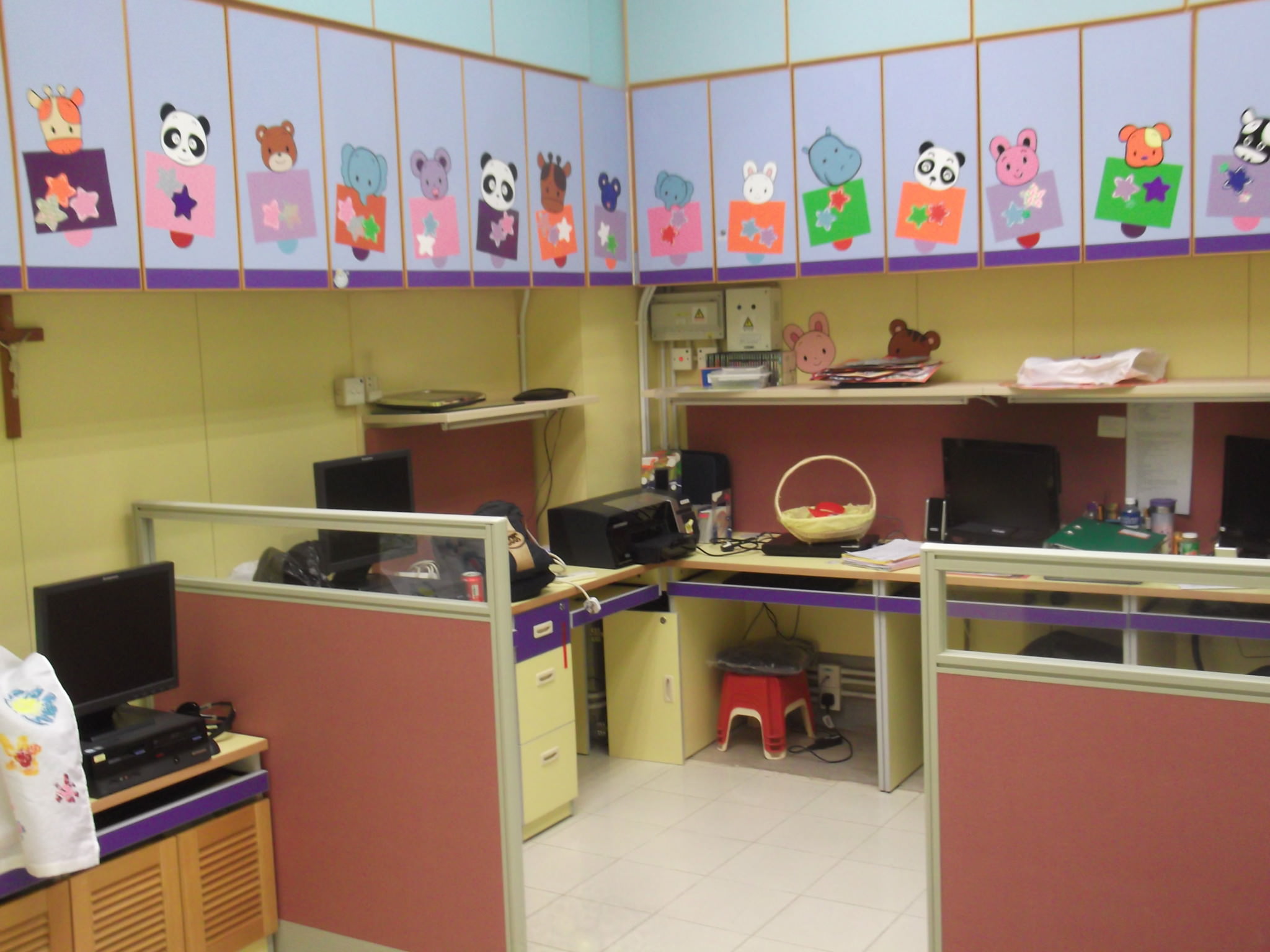
Desk placement makes a massive difference in your daily focus levels. Sitting facing a high-traffic hallway or a break room guarantees constant visual interruption. Facing a solid wall or using desk dividers blocks out moving distractions.
If you cannot move your desk, small desktop items help block your peripheral vision. Tall plants, monitor setups, or desk organizers create a small private zone. Reducing the amount of movement you see helps keep your mind on your screen.
Managing Auditory Input
Noise-canceling headphones are a lifesaver when office chatter gets out of hand. Instrumental music, white noise, or brown noise tracks drown out erratic sounds. Sudden noises break focus easily, but steady background sounds keep your brain in a calm state.
Some people prefer loops or high-quality earplugs that reduce decibel levels without blocking everything. This allows you to stay aware of emergencies while softening harsh background sounds. Experimenting with different sound backdrops reveals what keeps your mind steady.
What Works for ADHD Support in Busy Work Environments
Rethinking Daily Task Lists
Long, unstructured to-do lists cause immediate mental paralysis when you feel overwhelmed. Breaking massive projects into tiny, micro-steps makes starting them much easier. Focus on completing just one minor action instead of looking at the whole project.
Using a physical timer introduces a sense of structure to your afternoon. Working in short, timed blocks gives your brain a clear endpoint to focus on. Taking brief, scheduled breaks keeps your energy high without causing massive distractions.
Using Clear Written Instructions
Verbal instructions delivered in a noisy hallway rarely stick in your memory. Asking colleagues to send project details via email or chat logs prevents missed details. Having a written record lets you review steps at your own pace later.
A recent article shared that written directions serve as a powerful tool for supporting executive function. Keeping a digital notepad open for quick thoughts prevents you from losing ideas. Checking off written items provides visual proof of your progress.
Leveraging Natural Brain Chemistry
Understanding how dopamine impacts your motivation changes how you approach boring tasks. ADHD brains crave novelty and reward, making routine data entry feel incredibly difficult. Pairing a boring task with an enjoyable element makes starting much easier.
- Listening to your favorite upbeat album while sorting messy spreadsheets.
- Using colorful pens and highlighters to map out project timelines.
- Changing your physical work spot to a quiet corner or cafeteria table.
- Rewarding yourself with a short walk after finishing a difficult report.
Communicating Your Needs Silently
You do not need to share your medical history to improve your workspace comfort. Asking for simple adjustments often centers around productivity rather than your diagnosis. Most managers support small tweaks that lead to better output.
Using a simple desk sign or wearing specific headphones signals to coworkers that you are focusing. Creating a universal “do not disturb” signal cuts down on unexpected drop-by chats. Setting clear visual boundaries teaches people when to leave you alone.
Every person experiences focus challenges differently depending on their specific work duties. A tool that helps a web developer might fail for an account manager. Testing different strategies for a few days reveals what fits your routine.
Building a supportive workspace takes time, experimentation, and consistent adjustments. Small changes to your desk, schedule, and nutrition habits add up over time. Developing a personalized routine protects your energy and helps you thrive in any environment.