





The weight of a heavy workload is a common experience in the modern professional world. This pressure often leads to a cycle of poor choices that affect physical and mental health. Understanding how these habits form is the first step toward reclaiming a healthy lifestyle.
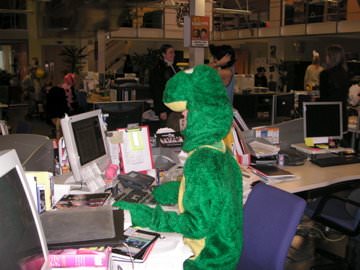
Workload Pressure and Its Influence on Unhealthy Daily Habits
The Physical Toll of Long Hours
Constant pressure at the office often forces employees to skip the gym or grab fast food. When you are exhausted from a long day, cooking a balanced meal feels like a massive chore. A recent study found that workload is one of the most common stressors people face on the job. These daily demands make it difficult to maintain a routine that supports long-term wellness.
Sedentary behavior is another side effect of a demanding schedule. Many workers spend 8 to 10 hours sitting at a desk without taking a break. Over time, this lack of movement leads to back pain and decreased circulation. It becomes a cycle where you feel too tired to move because you have been sitting for too long.
Sleep and Recovery
High performance demands often follow workers home through emails and late-night thoughts. This mental clutter prevents the brain from entering a restful state before bed. Many professionals find themselves staring at screens well past midnight to catch up on tasks.
Poor sleep quality can lead to a reliance on substances. Finding a residential addiction treatment program is one way people address severe cycles of substance reliance caused by stress. For those seeking a comprehensive and tranquil environment to reset, a luxury rehab offers the specialized care and serene atmosphere necessary to break these cycles and restore long-term wellness. Early intervention helps prevent these habits from becoming permanent fixtures in your life.
When the body does not get enough rest, the immune system weakens. You might find yourself getting sick more often or taking longer to recover from minor colds. This further increases work pressure as tasks pile up during your absence.
Psychological Impact of Stress
The mental burden of meeting deadlines can change how a person interacts with the world. Stress does more than just cause a bad mood – it alters your internal chemistry. Research indicates that work-related stress significantly impacts a person’s quality of life and psychological wellbeing.
Chronic stress triggers the release of cortisol, which keeps the body in a state of high alert. This “fight or flight” response is helpful in short bursts but damaging when it lasts for months. It can lead to feelings of burnout and a sense of hopelessness regarding your career path.
Common Signs of Overload
- Constant fatigue that does not go away after a weekend.
- Increased irritability with friends and family members.
- Loss of interest in hobbies that used to be fun.
- A tendency to isolate oneself from social gatherings.
- Changes in appetite or sudden cravings for comfort foods.
Social Isolation and Habits
A heavy workload frequently eats into time meant for friends and family. When social connections fade, people often turn to solitary, unhealthy habits to cope. This might include mindlessly scrolling through social media or drinking alcohol to “unwind” after a shift.
Isolation makes it harder to stay accountable for your health goals. Without a support system, it is easy to justify staying late at the office every night. Over time, the office becomes the only environment where you spend your energy. This lack of balance creates a narrow life experience that fuels anxiety.
Impact on Nutrition
Eating becomes a functional task rather than an enjoyable experience when you are under pressure. Many workers eat lunch while typing or skip it entirely to meet a quota. This leads to overeating later in the evening when the body finally demands fuel.
Processed snacks are often the easiest option during a busy workday. These foods provide a quick energy spike followed by a significant crash. This cycle makes it nearly impossible to maintain focus without reaching for another sugary treat. Improving your diet starts with acknowledging how your schedule dictates your plate.
Environmental Triggers
The physical workspace plays a role in how we manage stress and habits. A cluttered desk often reflects a cluttered mind, making it harder to stay organized. If your environment is chaotic, your brain stays in a state of low-level stress all day.
Creating a dedicated space for work can help separate your professional life from your personal time. Even small changes, like adding a plant or improving lighting, can make the day feel less heavy. When you feel comfortable in your space, you are less likely to seek out unhealthy distractions.
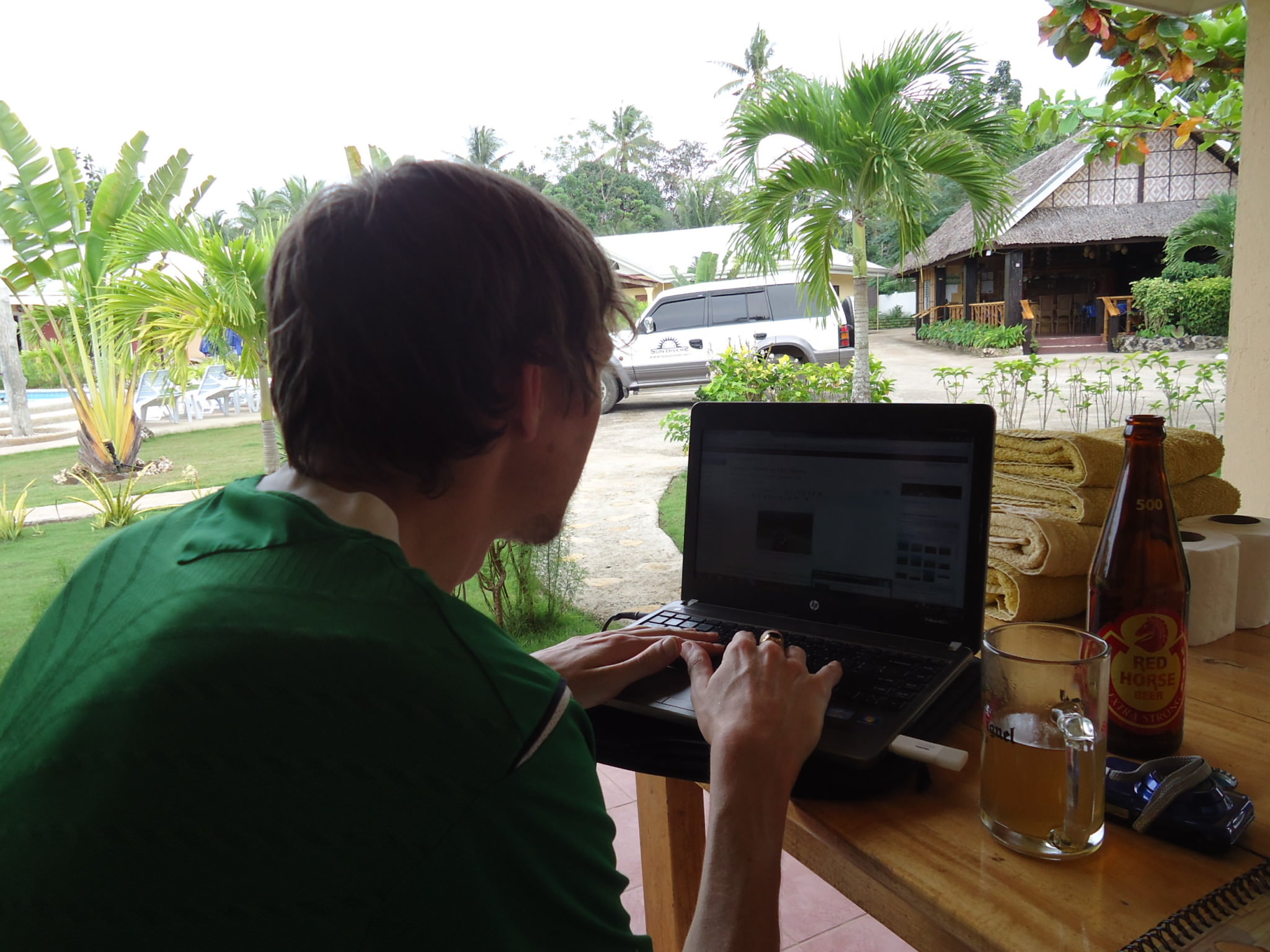
Workload Pressure and Its Influence on Unhealthy Daily Habits
Managing a career should not come at the cost of your health. While professional success is a common goal, it loses its value if you are too tired to enjoy it. By identifying the triggers that lead to unhealthy habits, you can protect your future. Taking time for yourself is not a luxury – it is a requirement for staying productive. Prioritizing your needs allows you to show up as your best self every single day.