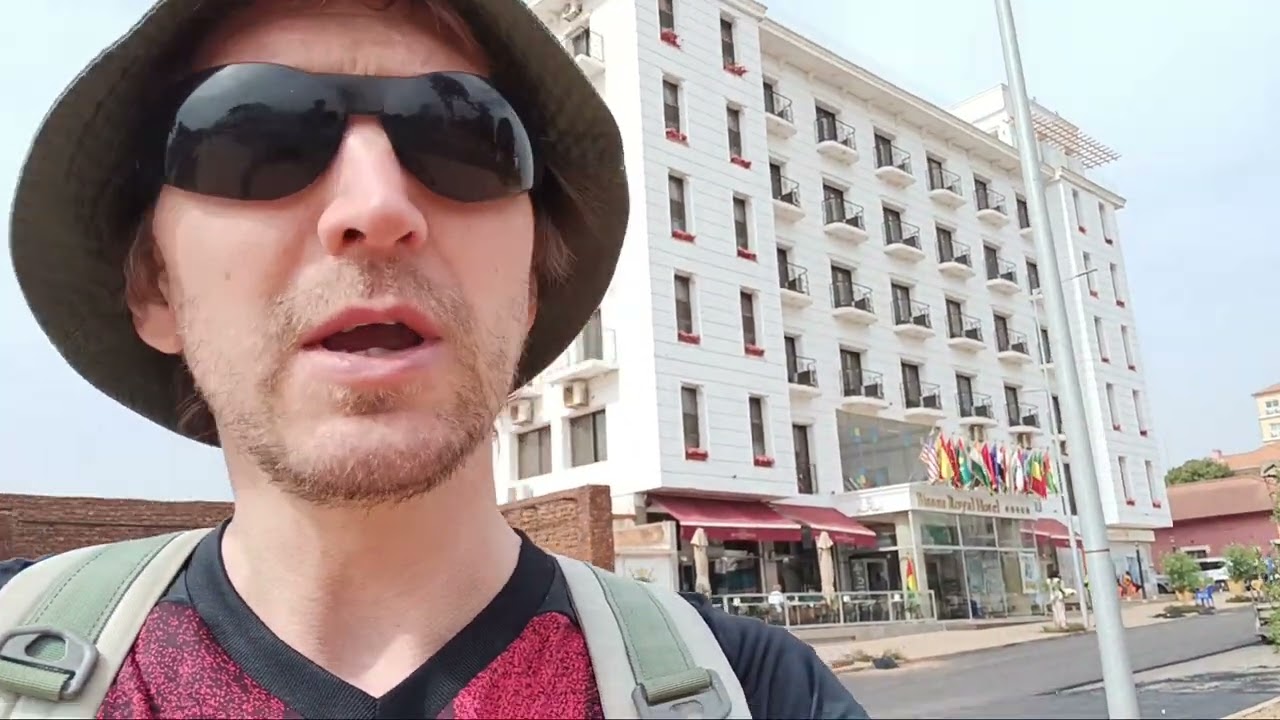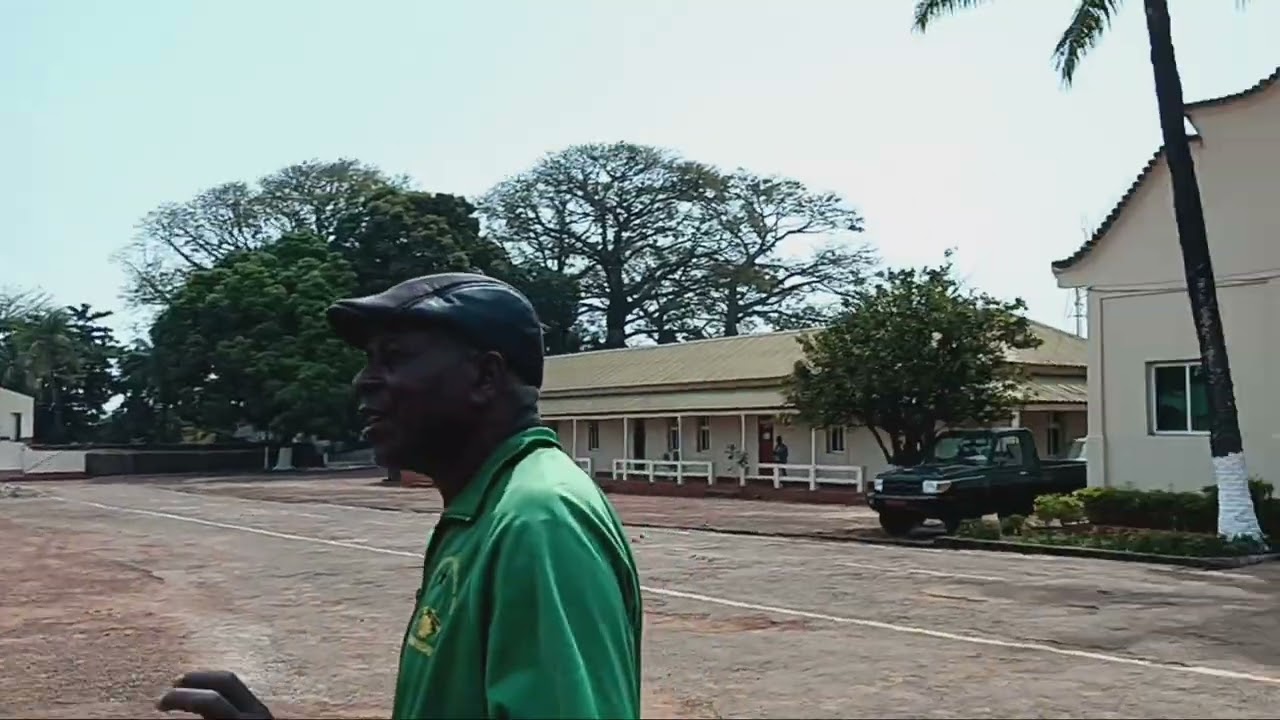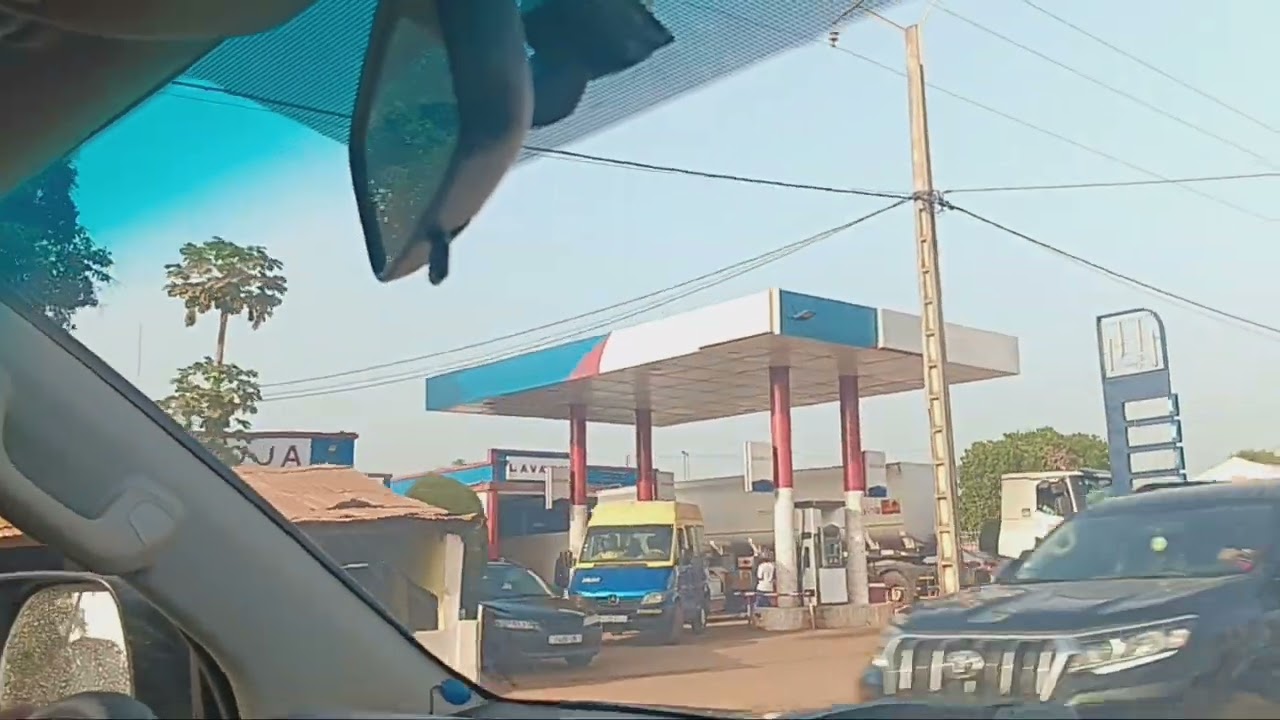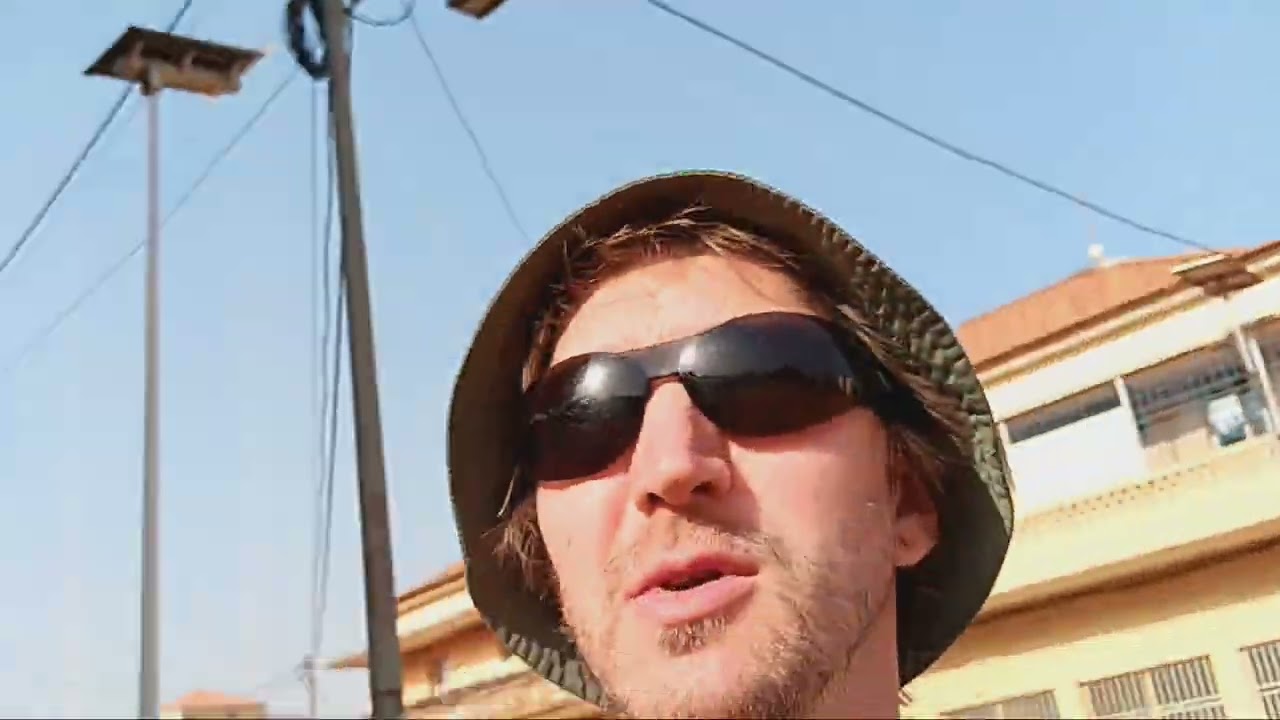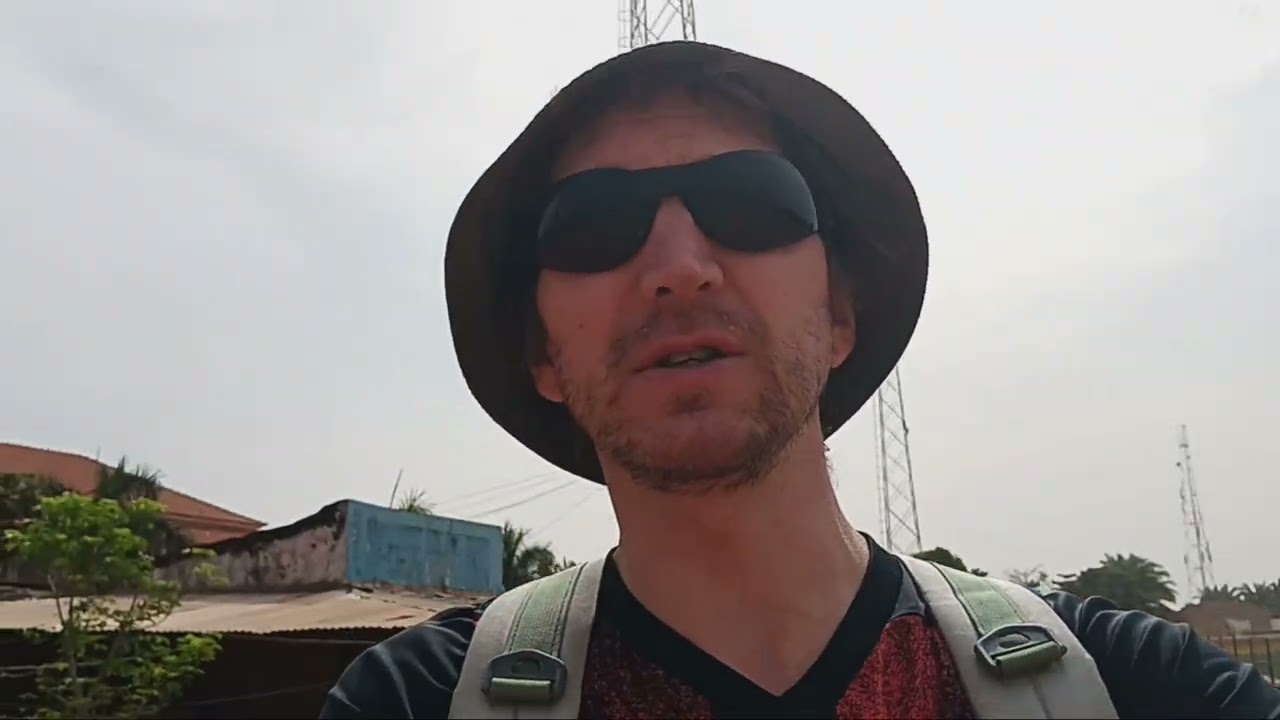





“It’s oh so quiet” – Bjork.
After getting my Guinea-Bissau visa on arrival at the country’s small international airport, I was ready to explore Bissau. I spent my first two nights here at the excellent arty abode, Coimbra Hotel and Spa.
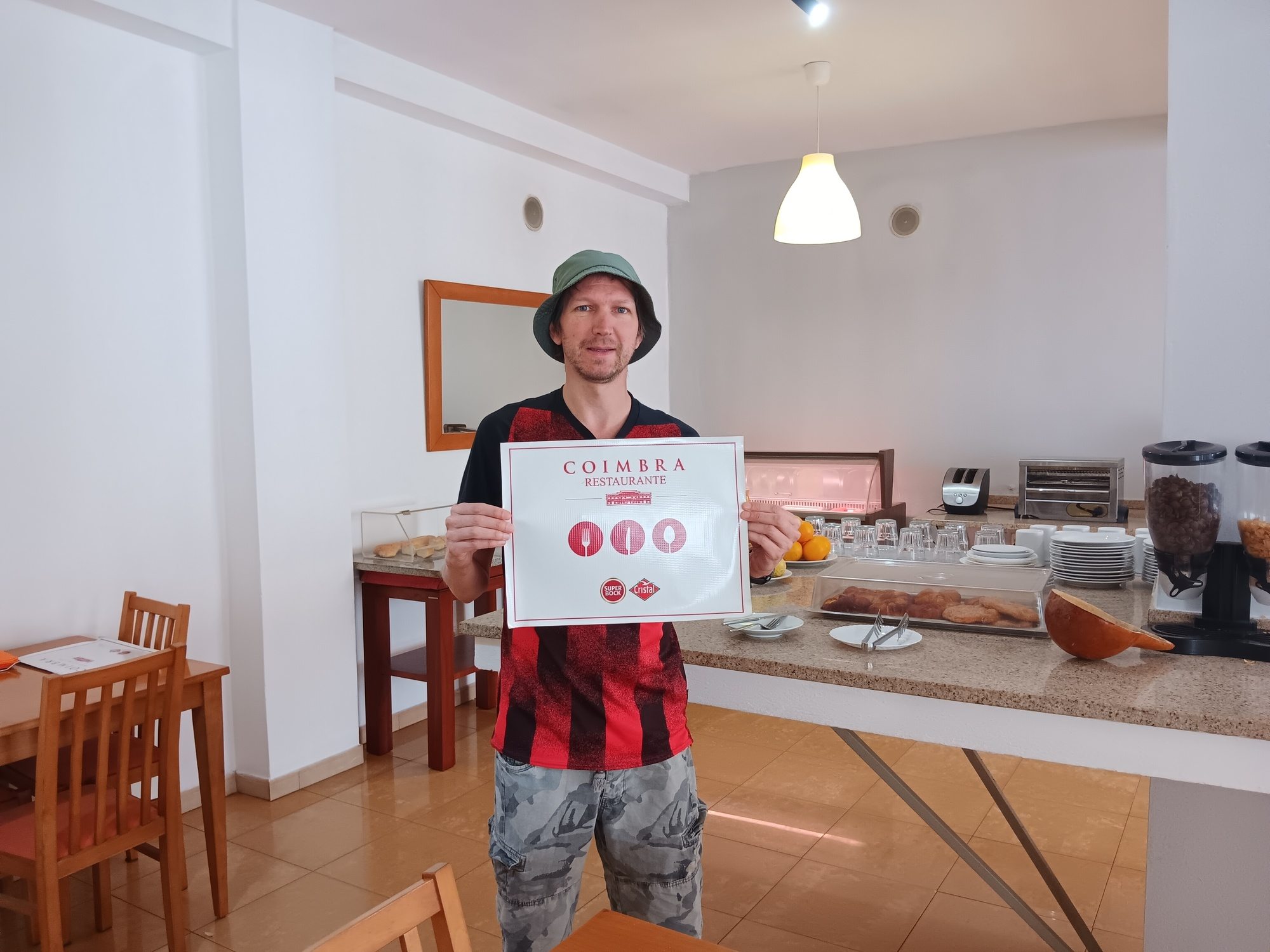
Backpacking In Guinea-Bissau: My Stay At The Quirky, Arty, Colonial Style Coimbra Hotel in Bissau
I also did the backpacking hostel by sleeping at Pensao Creola as well on my last night here.
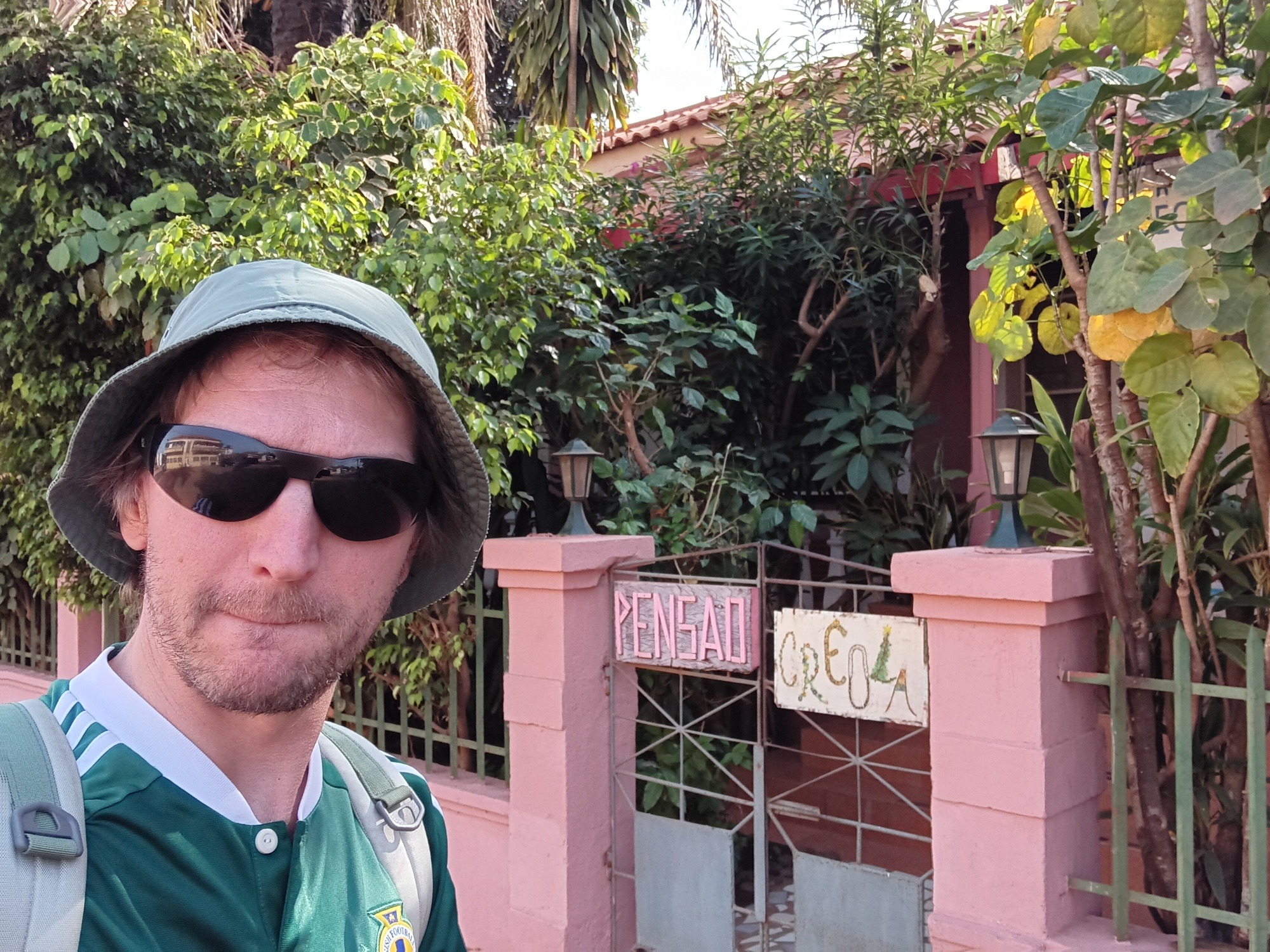
Backpacking In Guinea-Bissau: My Stay At The Pensao Creola Hostel
I also toured the bars and restaurants of the city – Coqueiros was the best, especially the arty vibe, the cocktails and the oysters! Bissau is a remarkably calm and chilled out capital city. It often feels like nobody is even about, or doing anything in the city centre. The main boulevard is quiet, Bjork would hear a pin drop here.
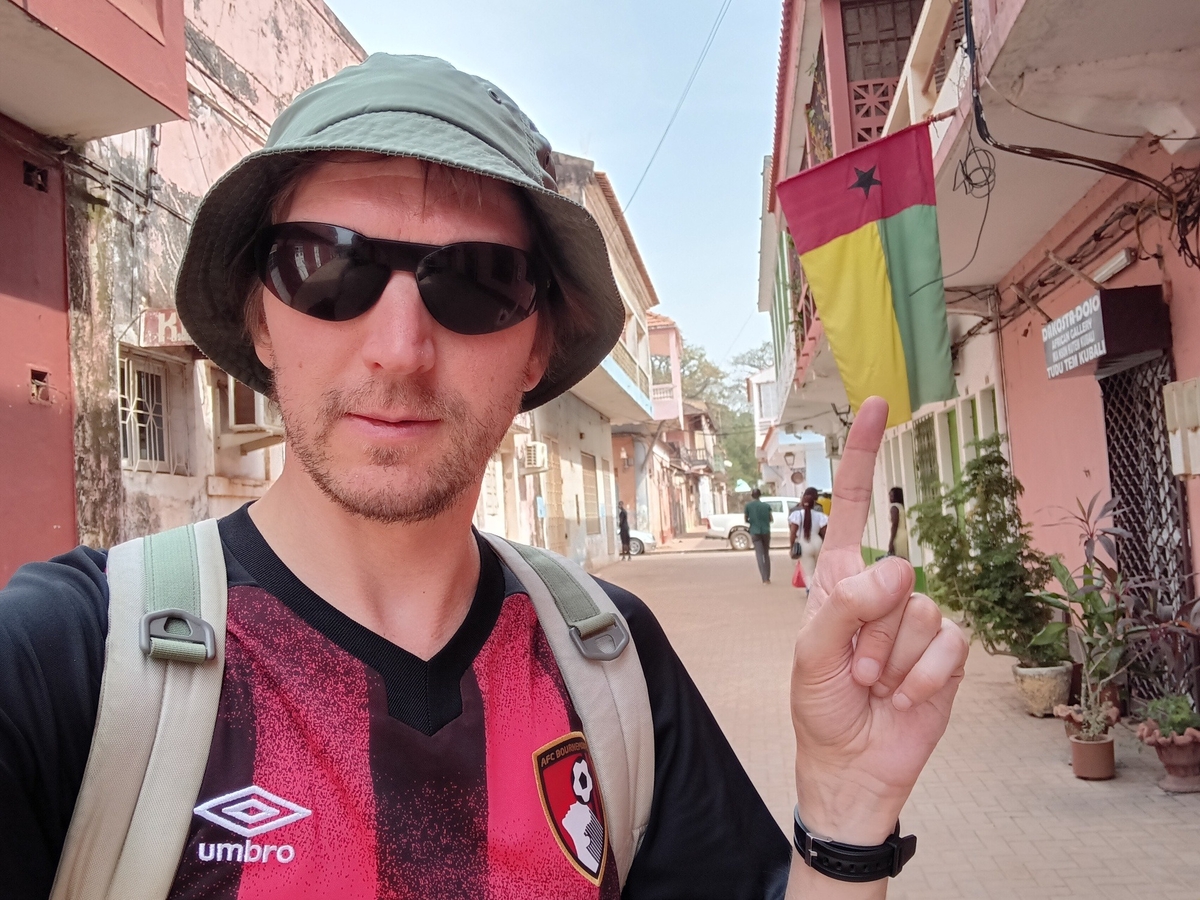
Backpacking In Guinea-Bissau🇬🇼: Top 13 Sights In Bissau
Without further ado, here are my top 13 sights in Bissau
1.Fortaleza de São José da Amura
This 18th-century Portuguese fort contains the mausoleum of legendary independence leader Amílcar Cabral. It has a lot of security around it and is not always open. However the security guy kindly let me in to the mausolem, the fort and gave me a quick tour.
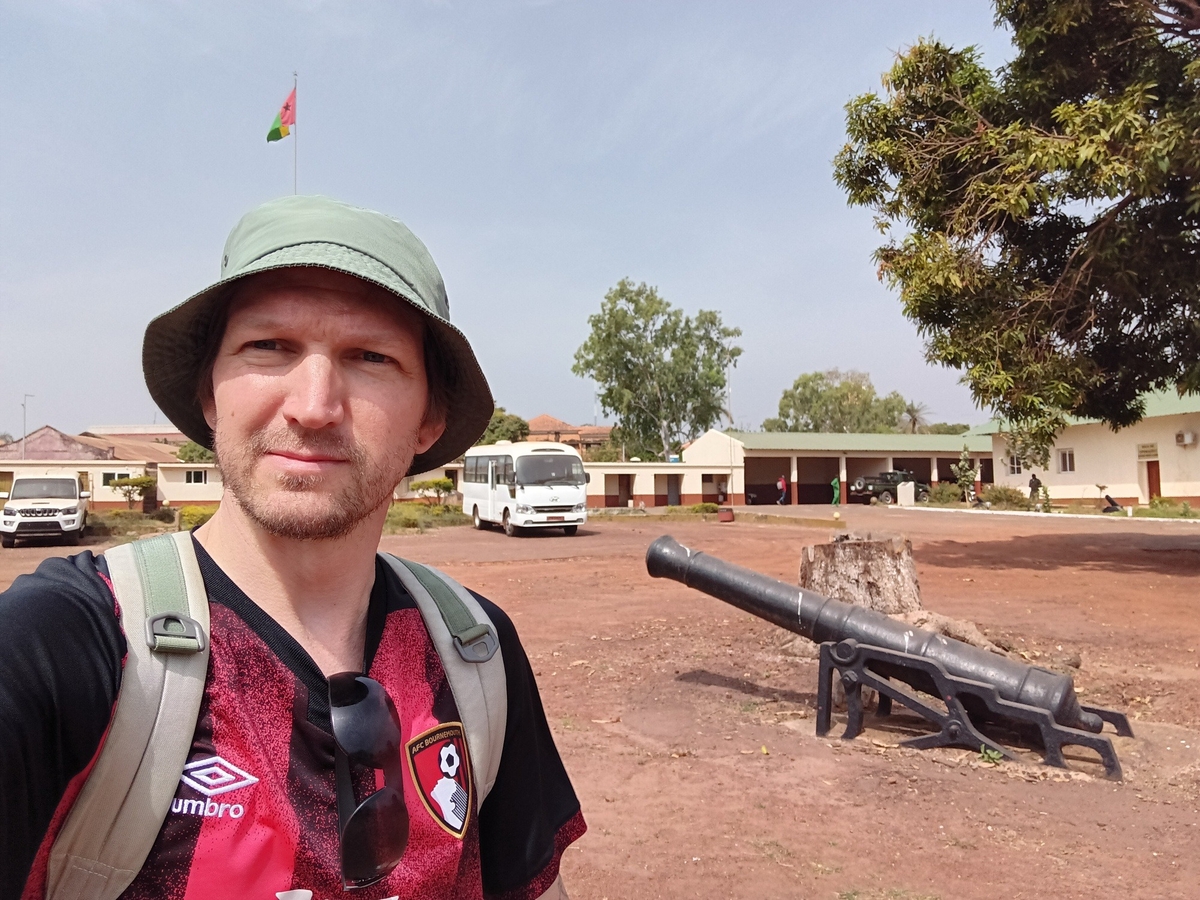
Fortaleza de São José da Amura
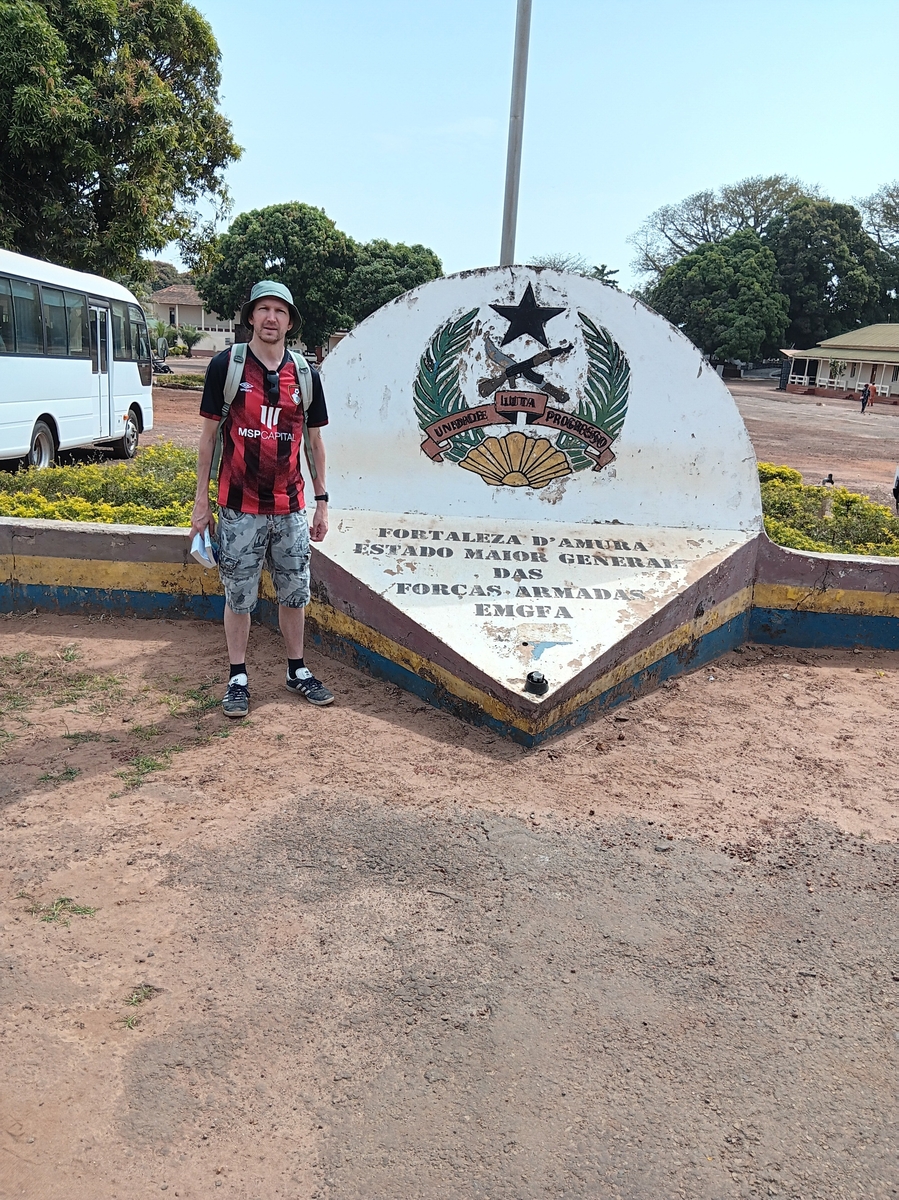
Fortaleza de São José da Amura
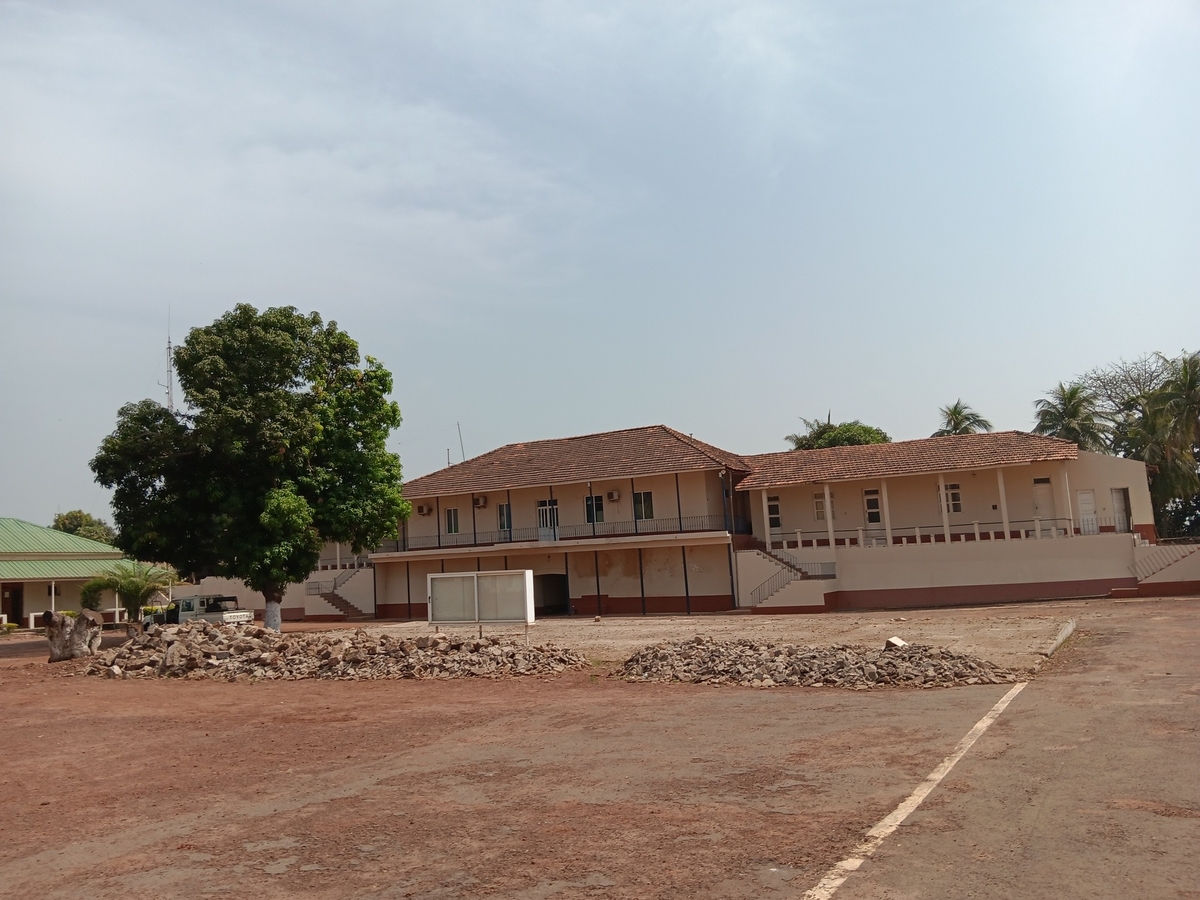
Fortaleza de São José da Amura
The fort is down near the harbour and is one of the city’s most important historical sites.
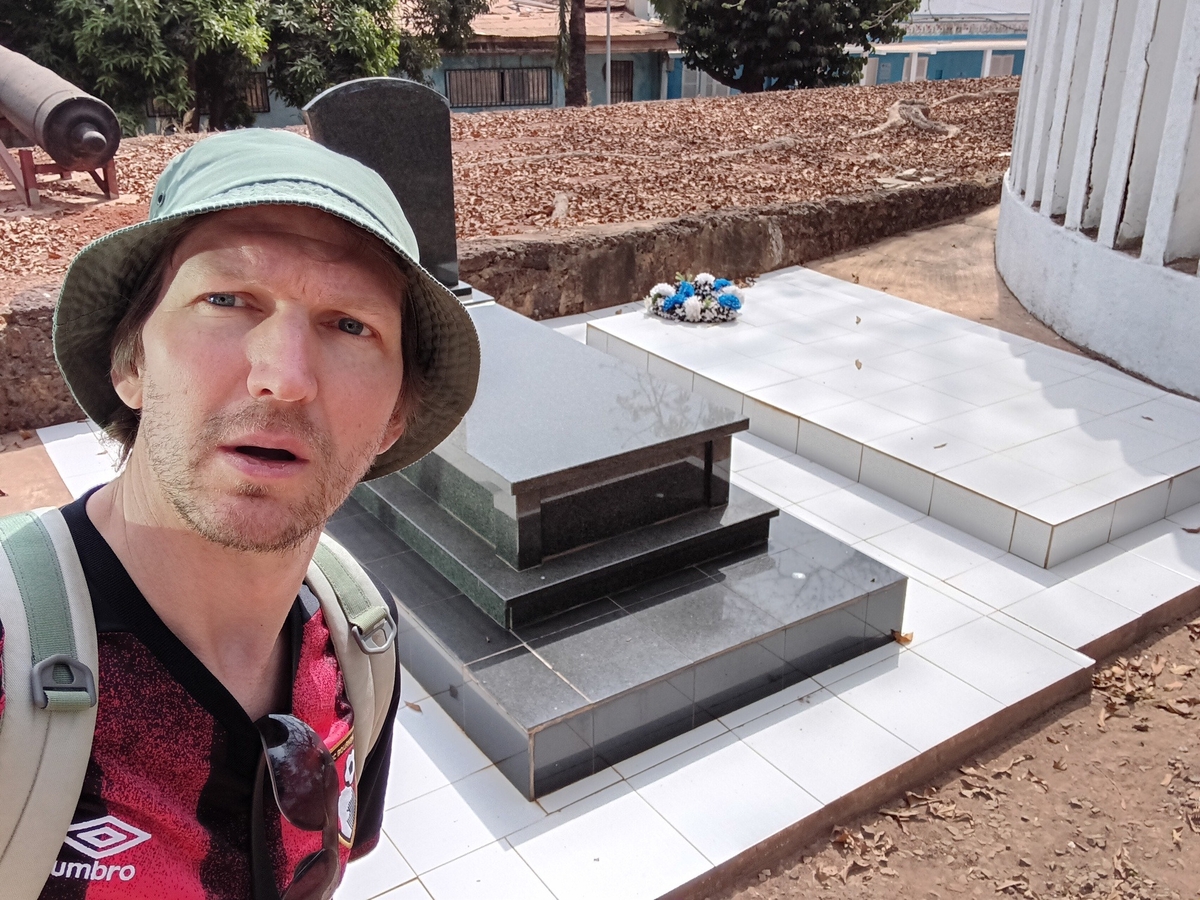
Amílcar Cabral Mausoleum
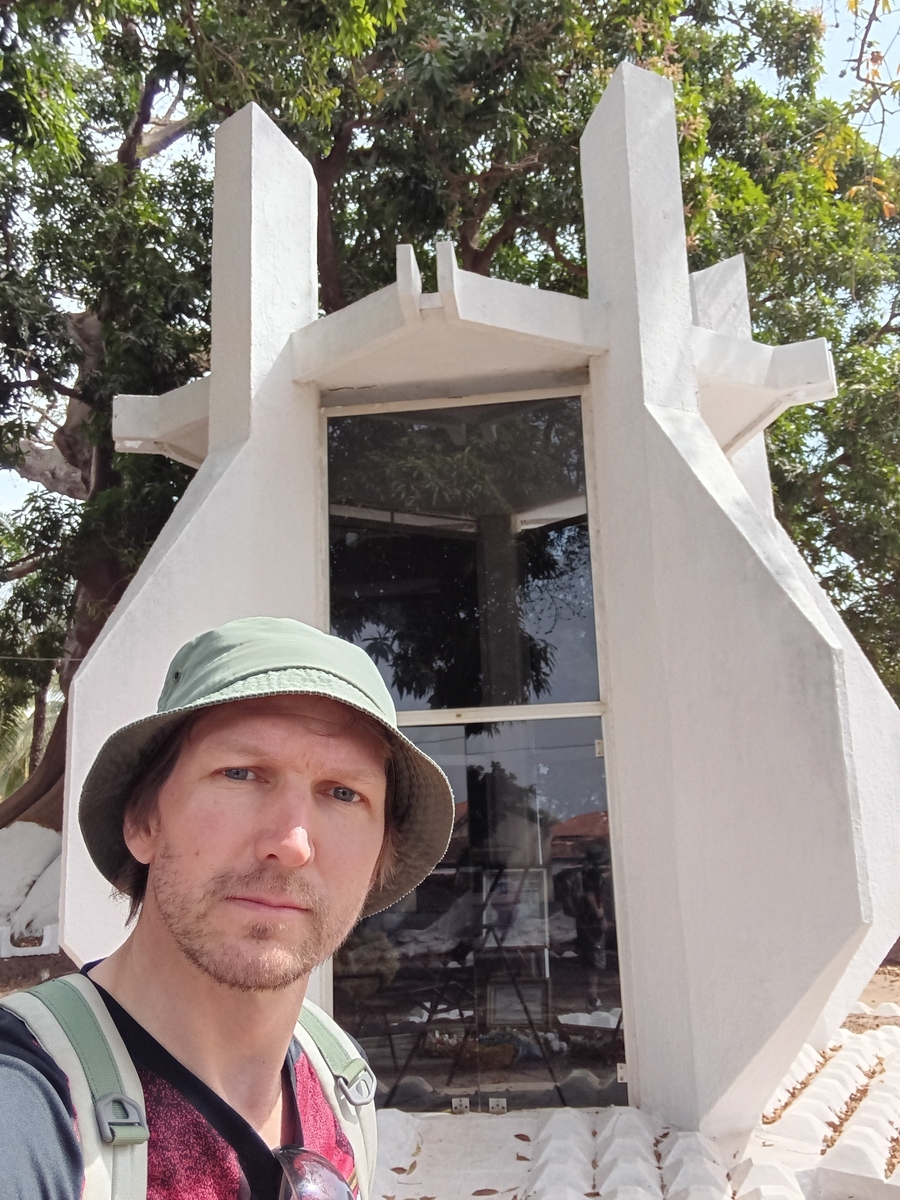
Amílcar Cabral Mausoleum
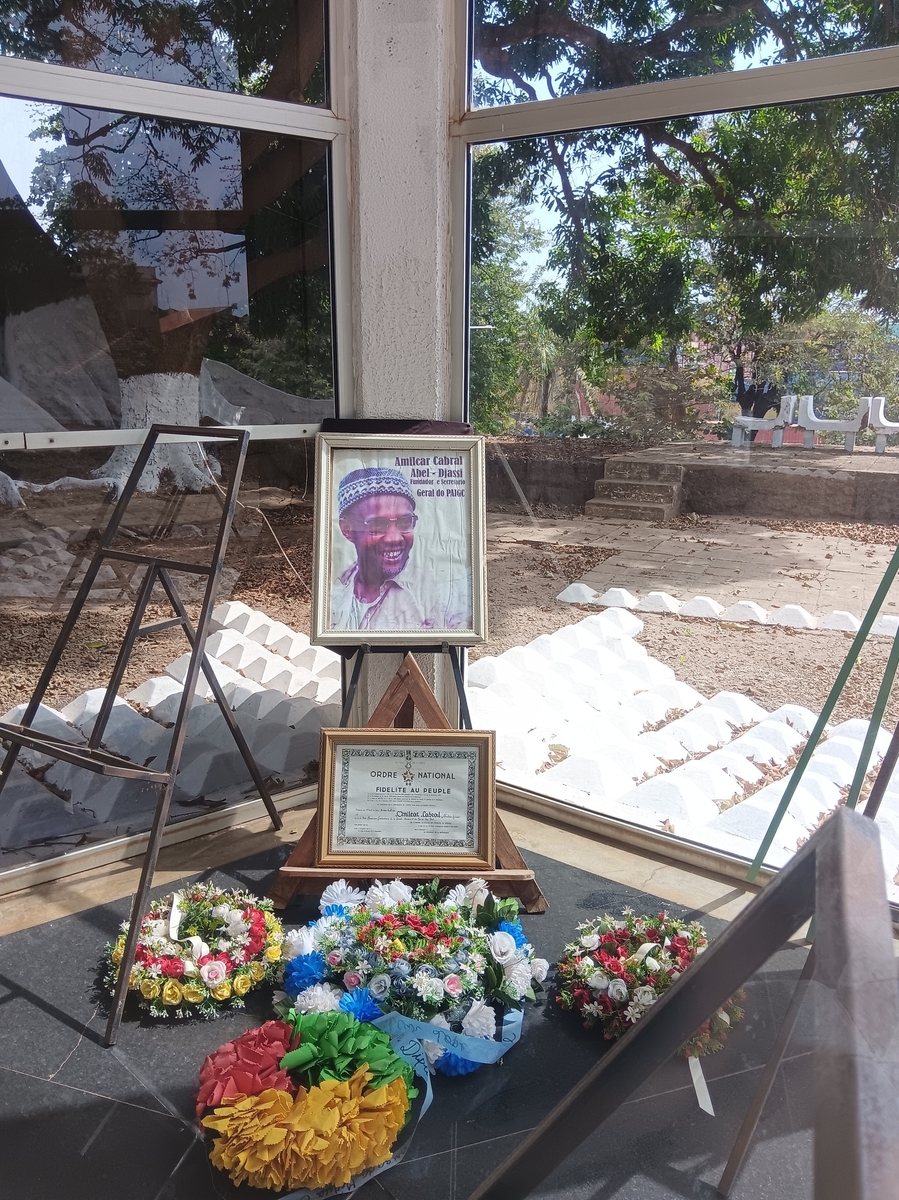
Amílcar Cabral Mausoleum
2.Mercado de Bandim
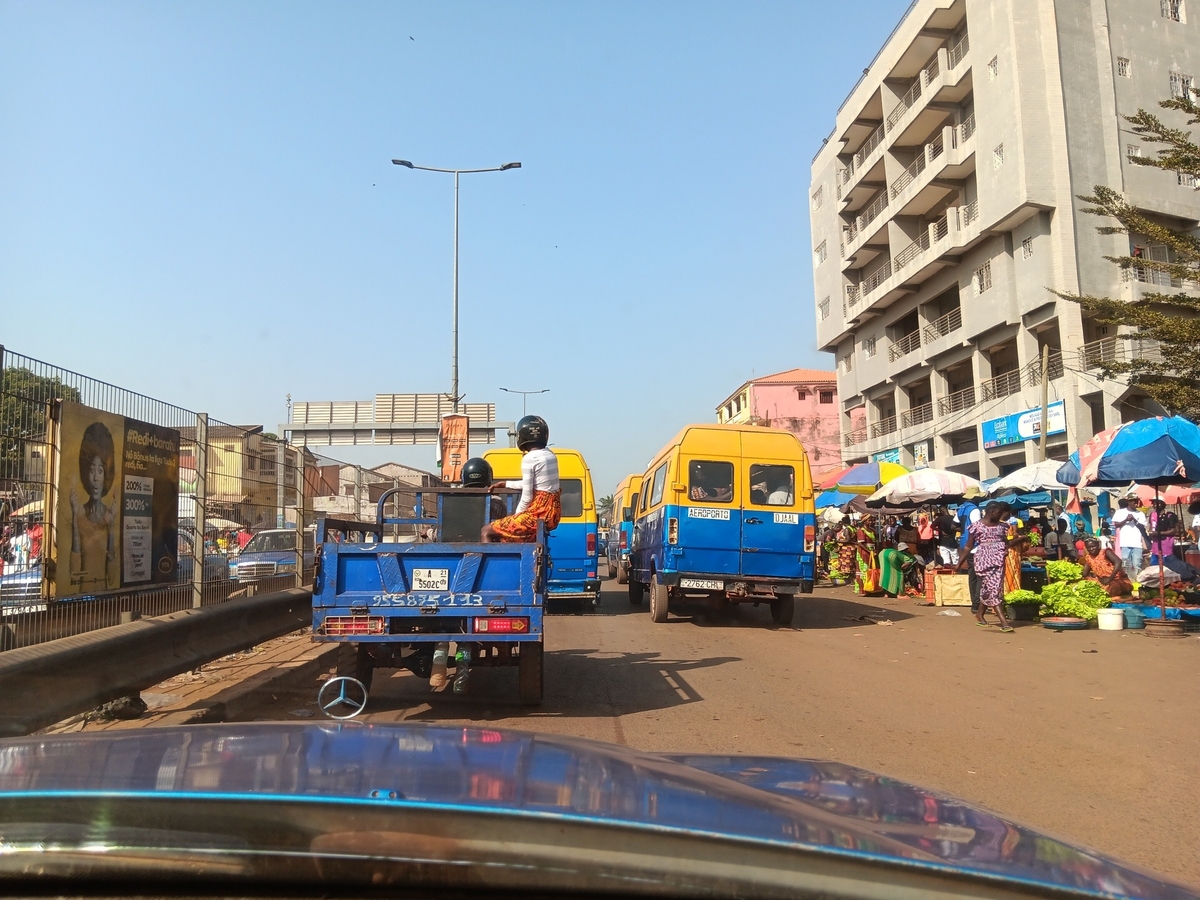
The main market in the city is outdoor, nuts, chaotic, colourful, and authentic. It is great for local barbecued street food, crafts, and daily life scenes. While walking around I didn’t spy any other tourists here.
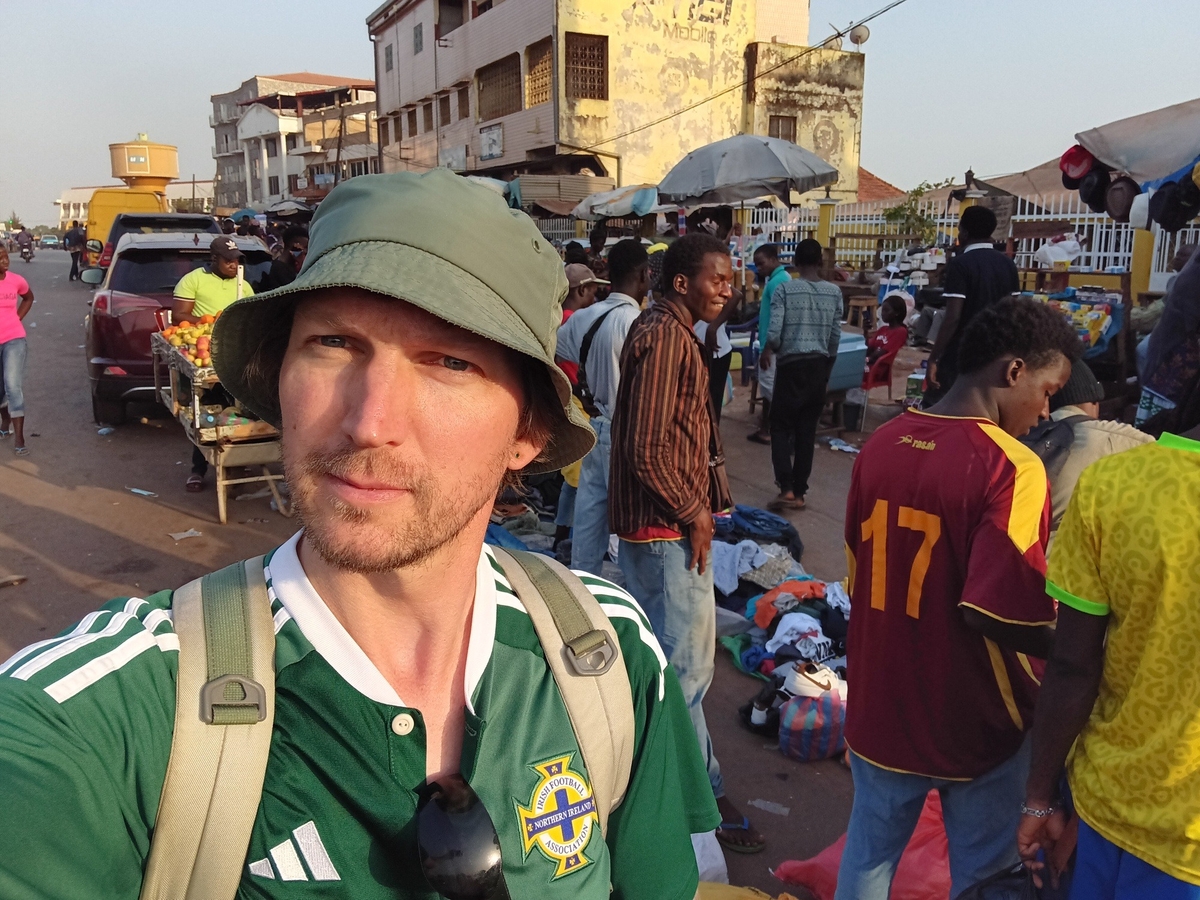
Mercado de Bandim
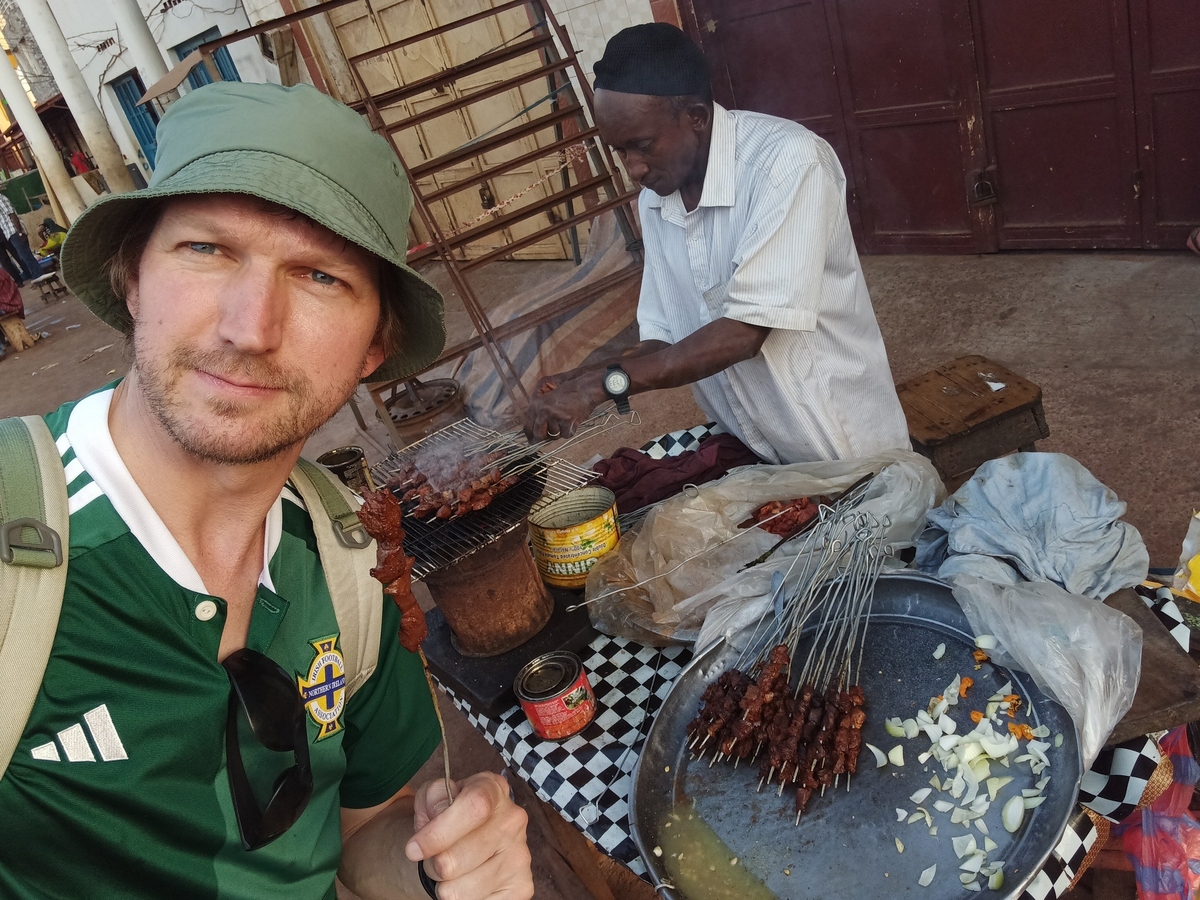
Mercado de Bandim
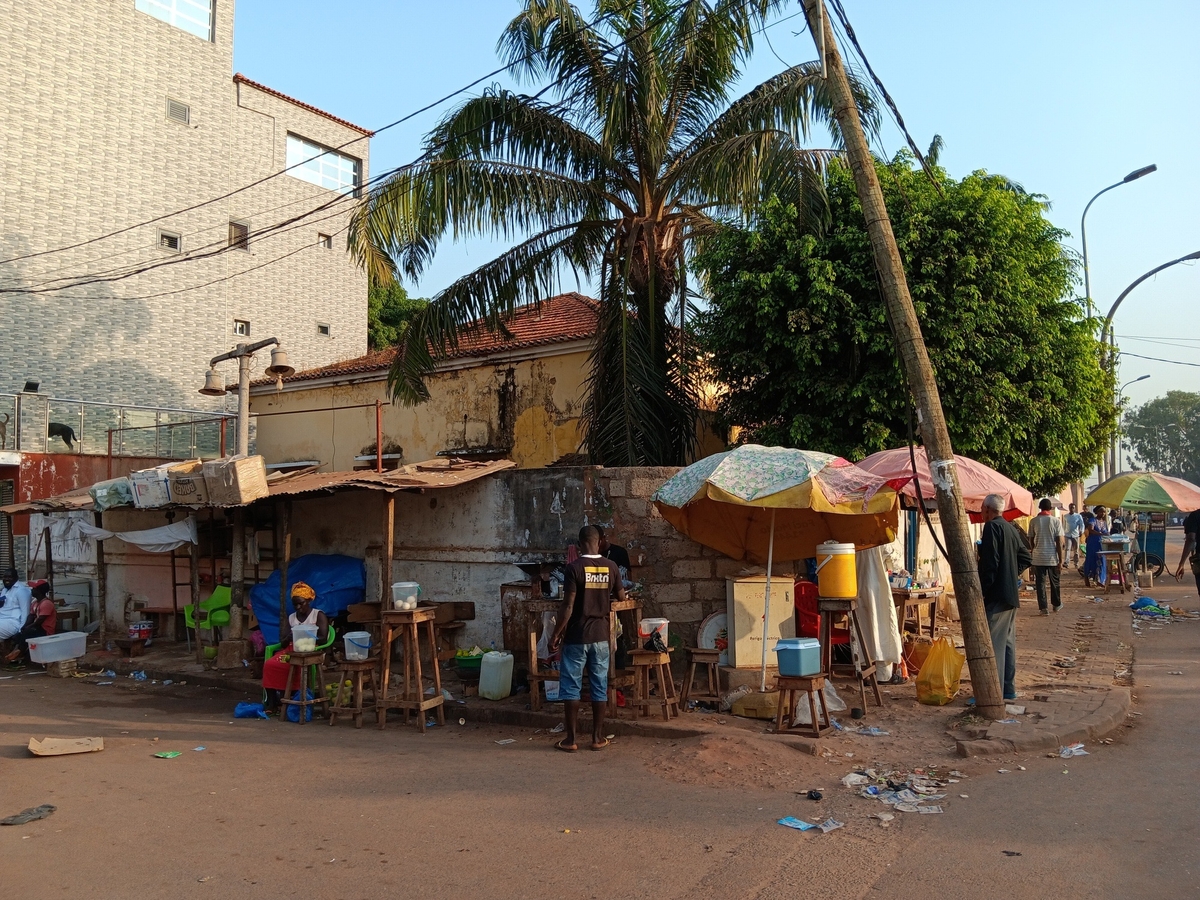
Mercado de Bandim
Mercado de Bandim
3.Bissau Velho (The Old Town)
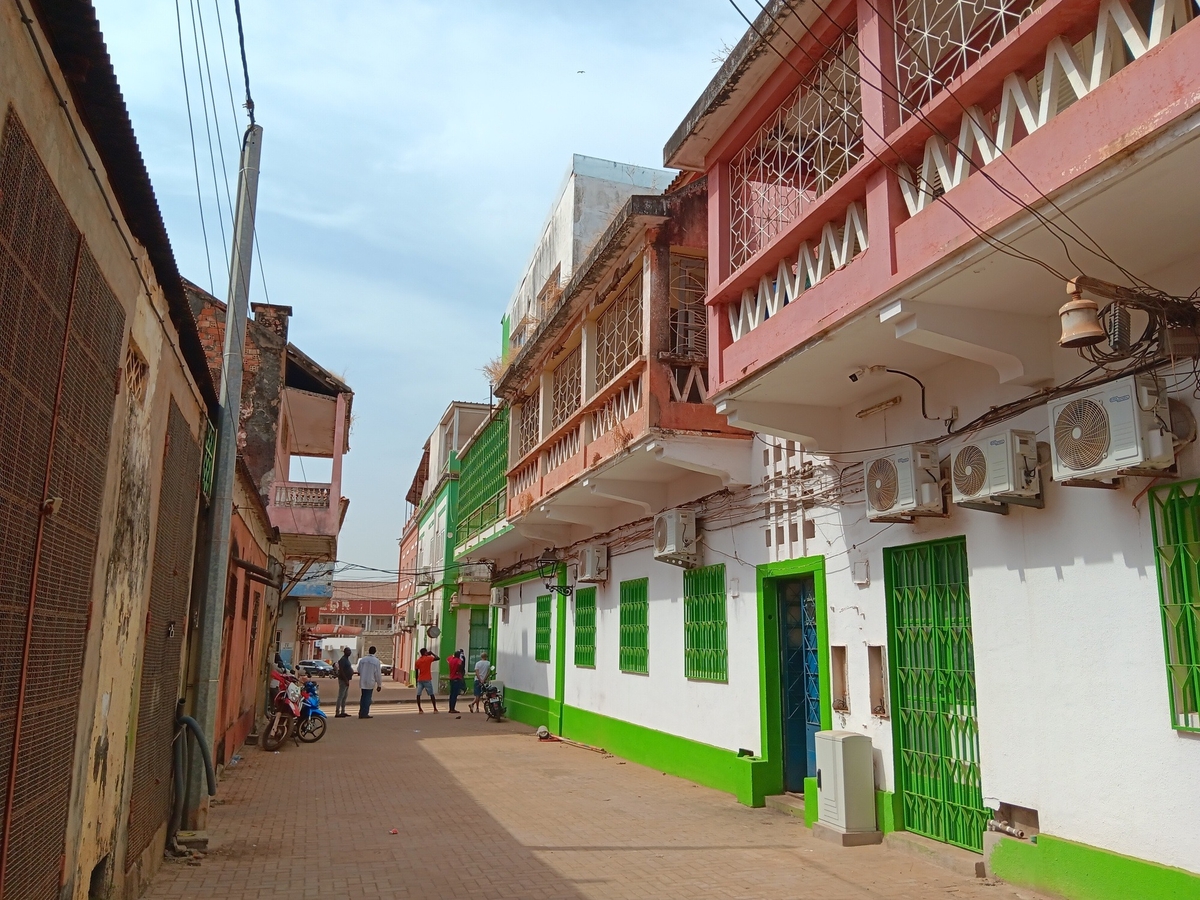
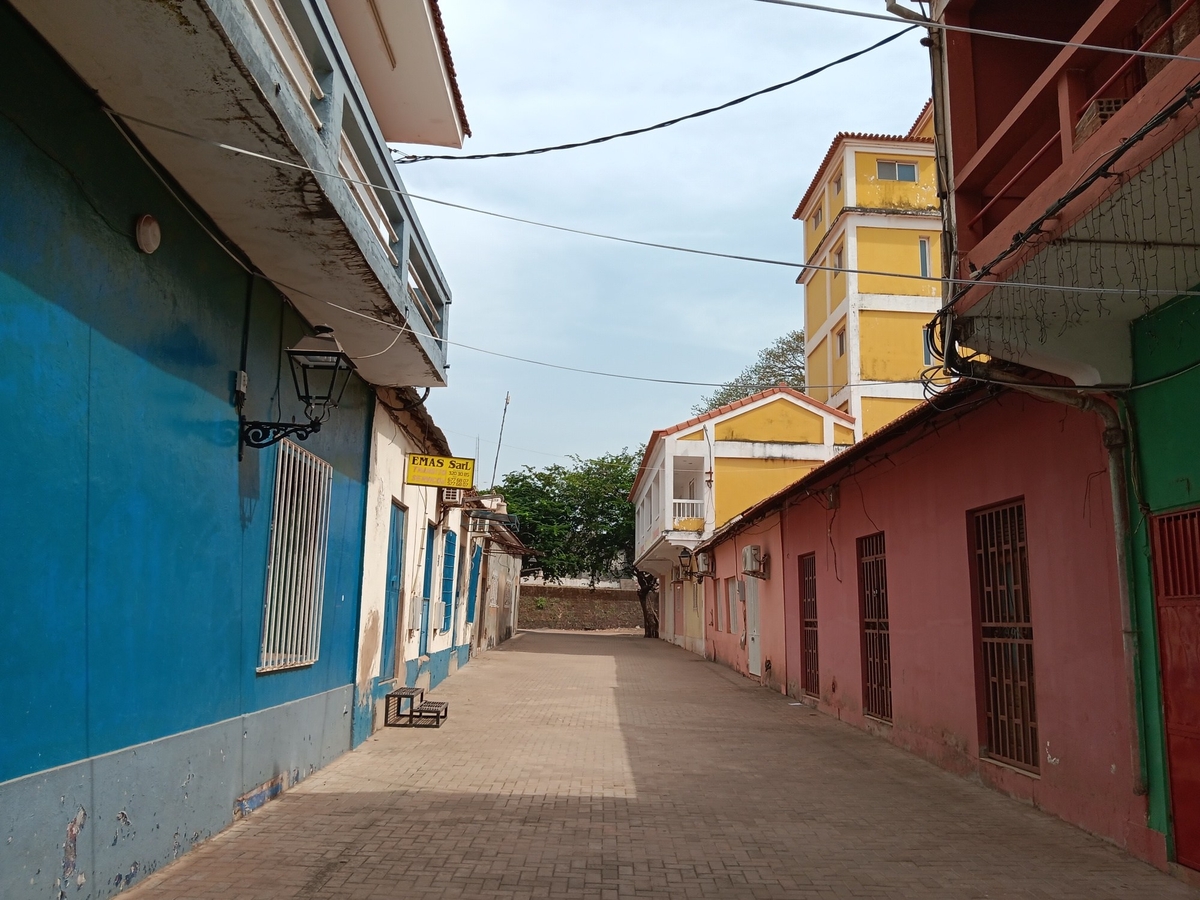
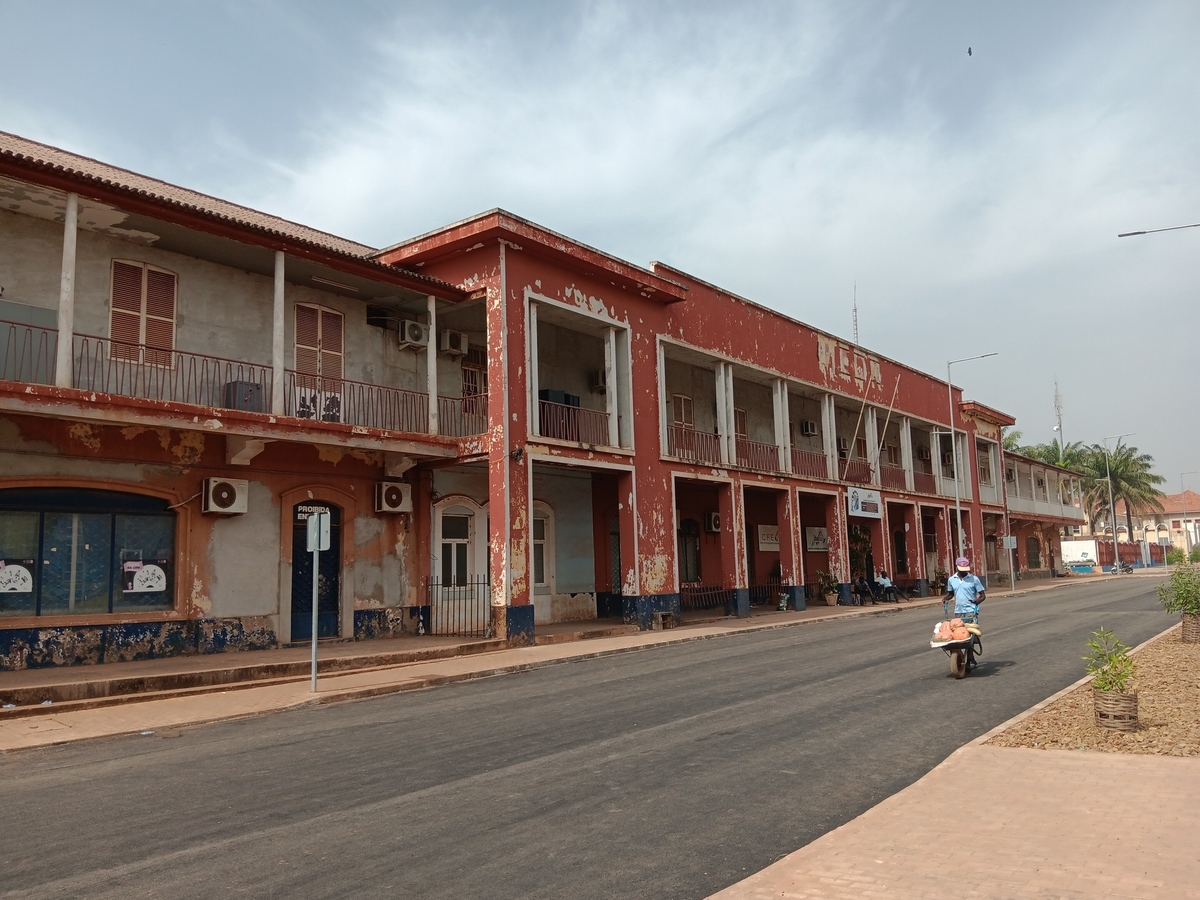
The old colonial quarter has a lot of dilapidated faded Portuguese buildings on poky narrow streets.
Bissau Velho (The Old Town)
Bissau Velho (The Old Town)
It’s a typical old town – I just dandered around, there is street art, some cafés and bars. It feels like an open-air museum.
Bissau Velho (The Old Town)
4.Presidential Palace
The city’s Presidential Palace is a colonial-era building (partially damaged during civil war). It wasn’t open to visit but can be viewed from the outside.
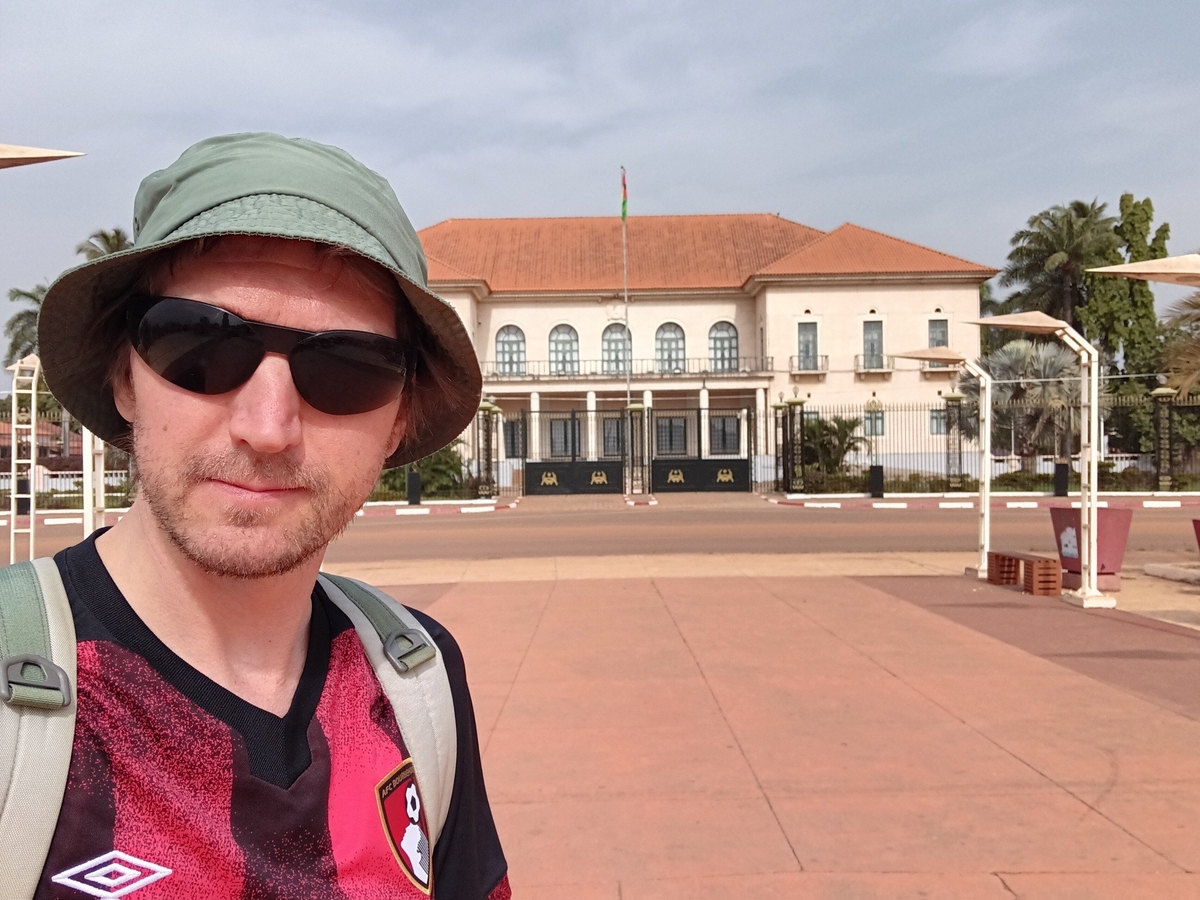
Presidential Palace, Bissau
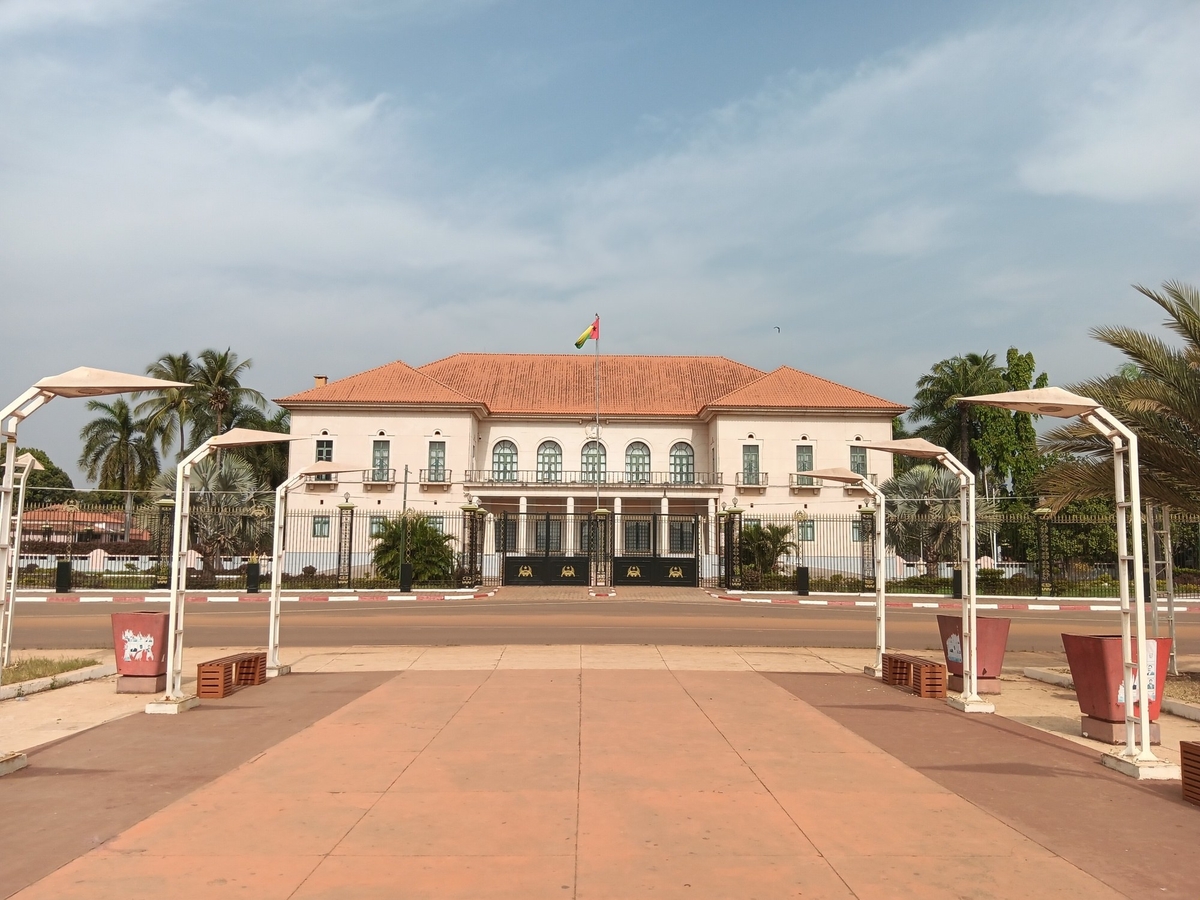
Presidential Palace, Bissau
It is a symbol of Guinea-Bissau’s political history, a country which was founded in 1973 when they declared independence . It wasn’t until 10 September 1974 that it was officially recognised by Portugal after the fall of the dictatorship in Portugal (following the Carnation Revolution). Sadly, country hero Amílcar Cabral, the leader of the independence struggle was assassinated before independence was fully achieved.
5.Assembleia Ministerio Da Justica
The Justice Assembly building is a bit further out of the city centre, up by the market on Avenida Francisco Mendes. This is a much more modern building thanthe Palace.
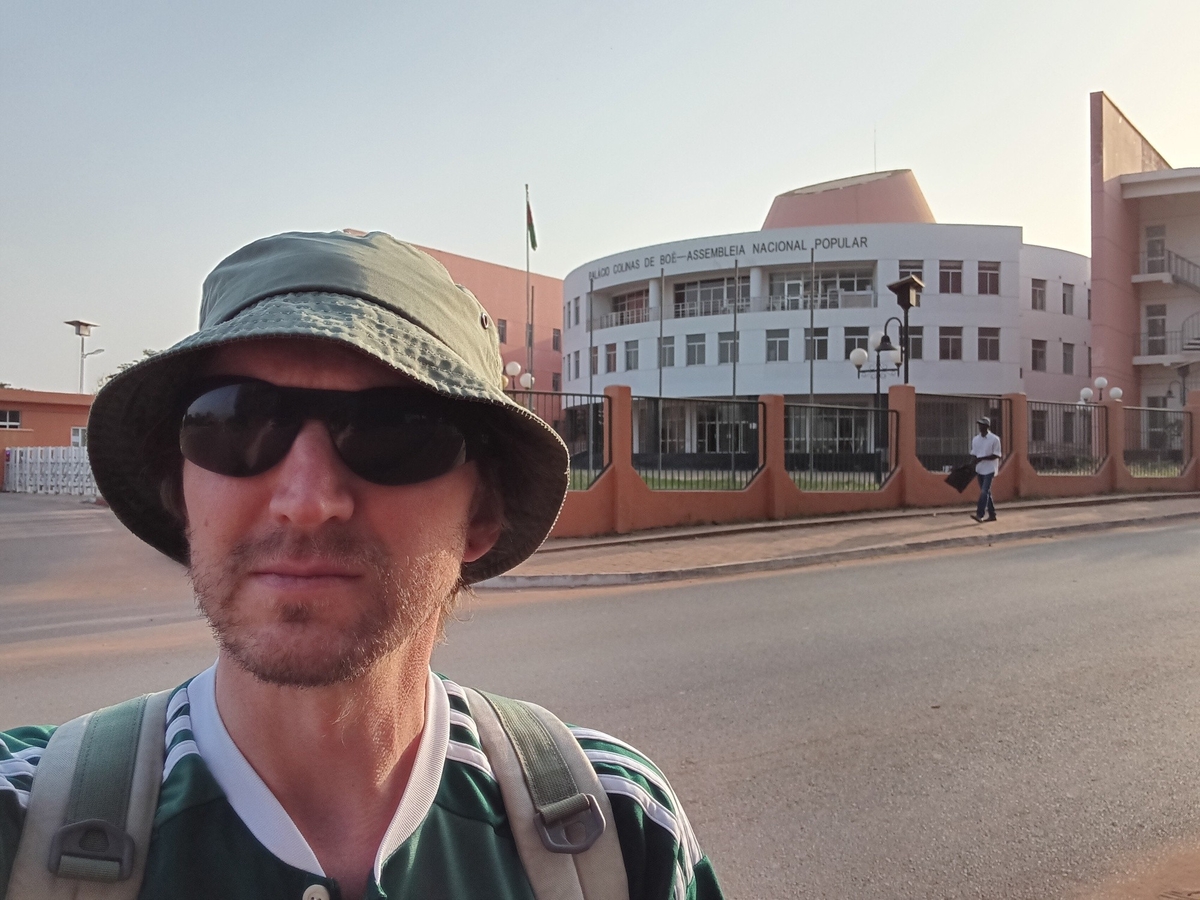
Assembleia Ministerio Da Justica
6.National Football Stadium
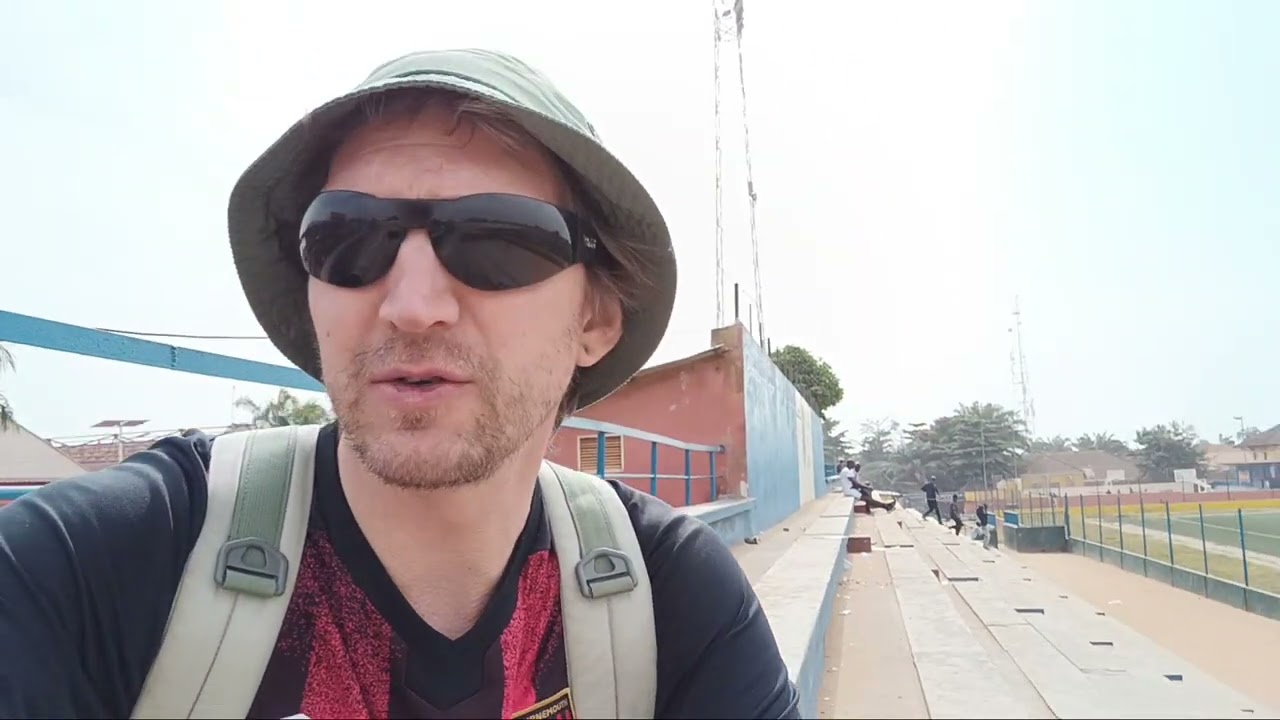
I try to backpack the national football stadium, or any national stadium in every country I visit. I visited 2 stadiums here and caught a friendly match / kickabout in both.
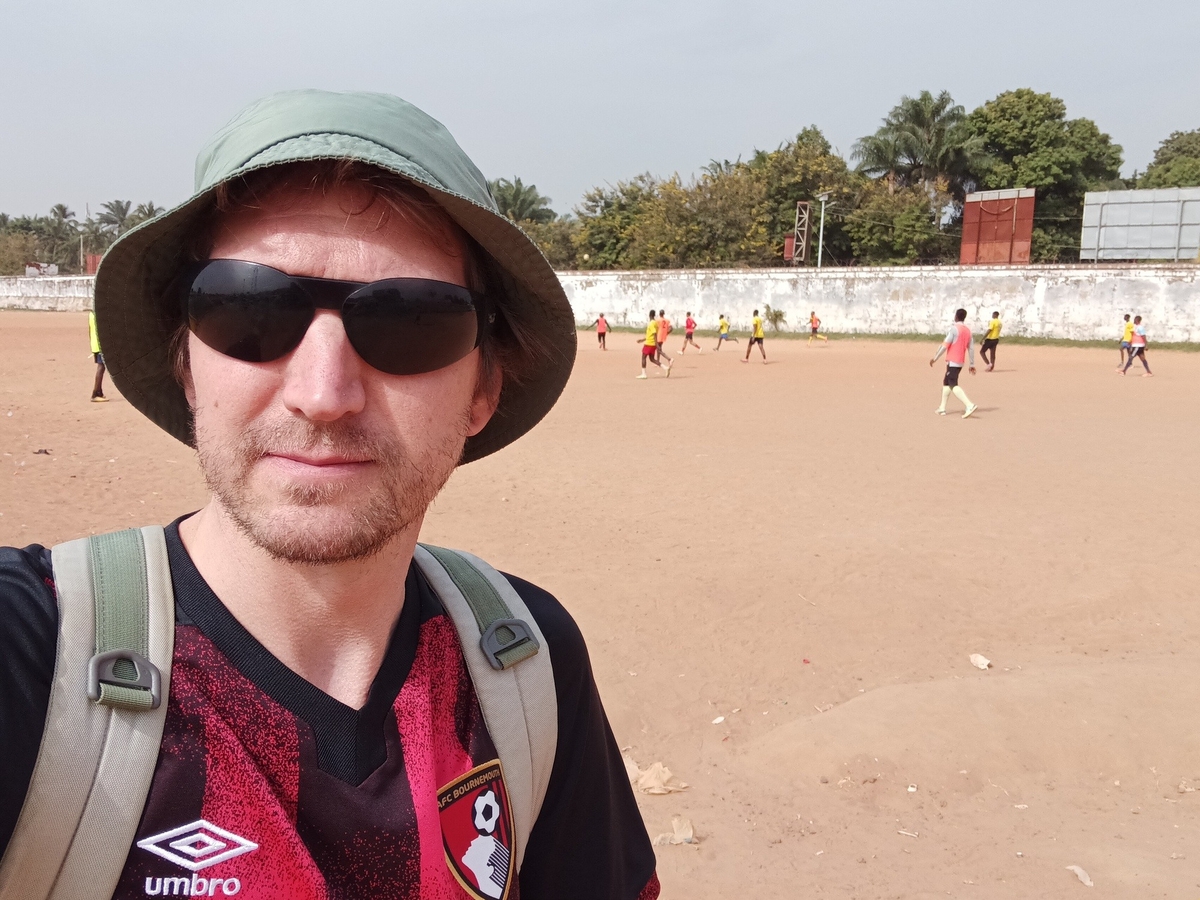
National Football Stadium in Bissau
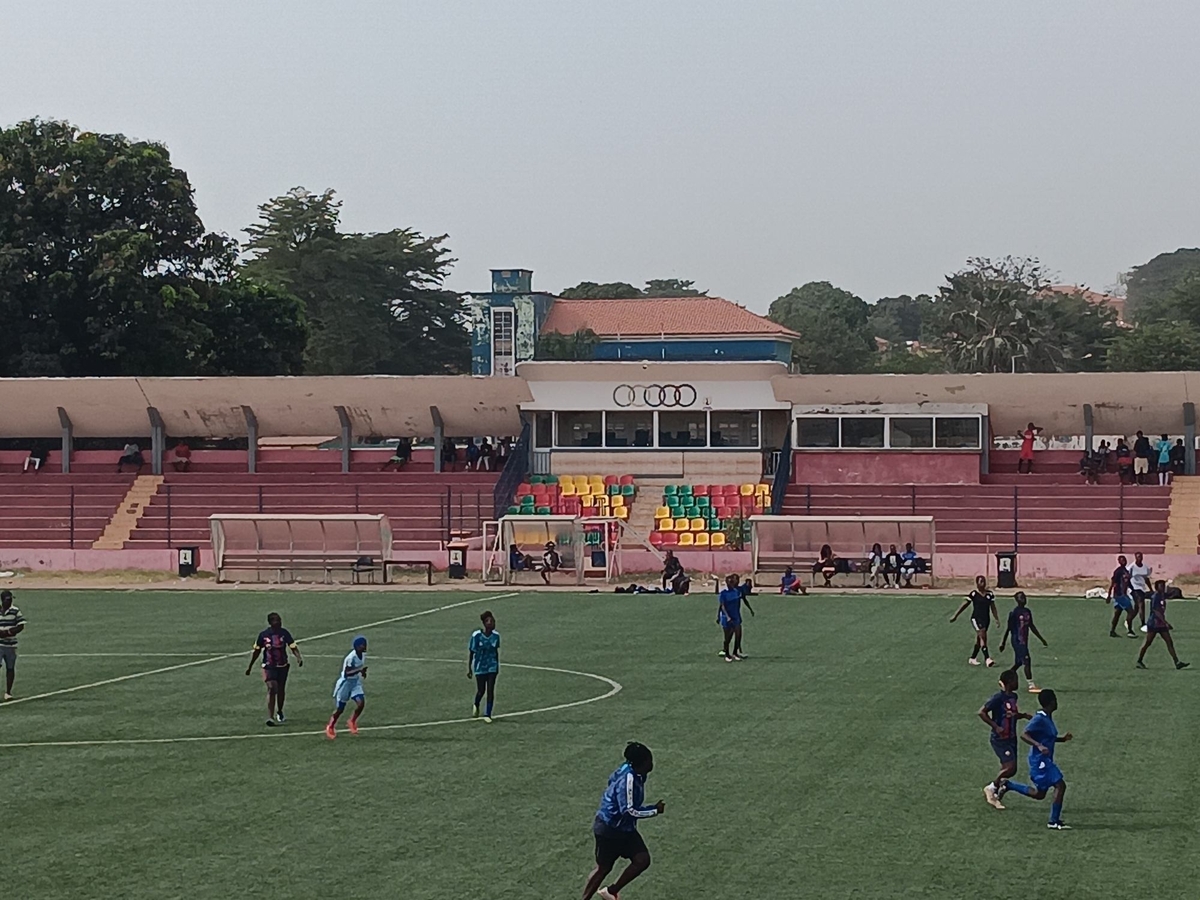
National Football Stadium in Bissau
7.Avenida Amilcar Cabral
The main boulevard/avenue/street in the capital city, and therefore the country’s most famous street is the Avenida Amilcar Cabral.
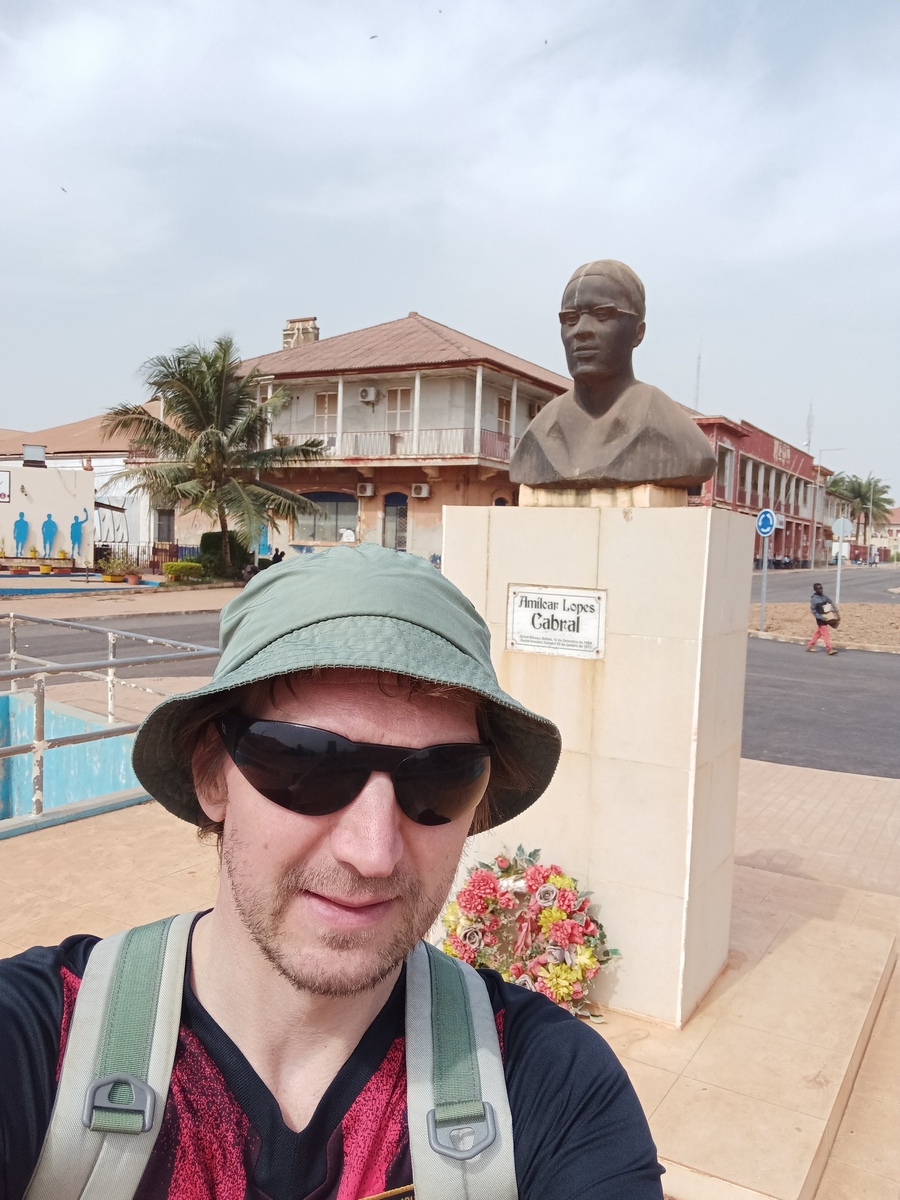
Avenida Amilcar Cabral
His monument is on the street and it leads all the way from the harbour to the Presidential Palace.
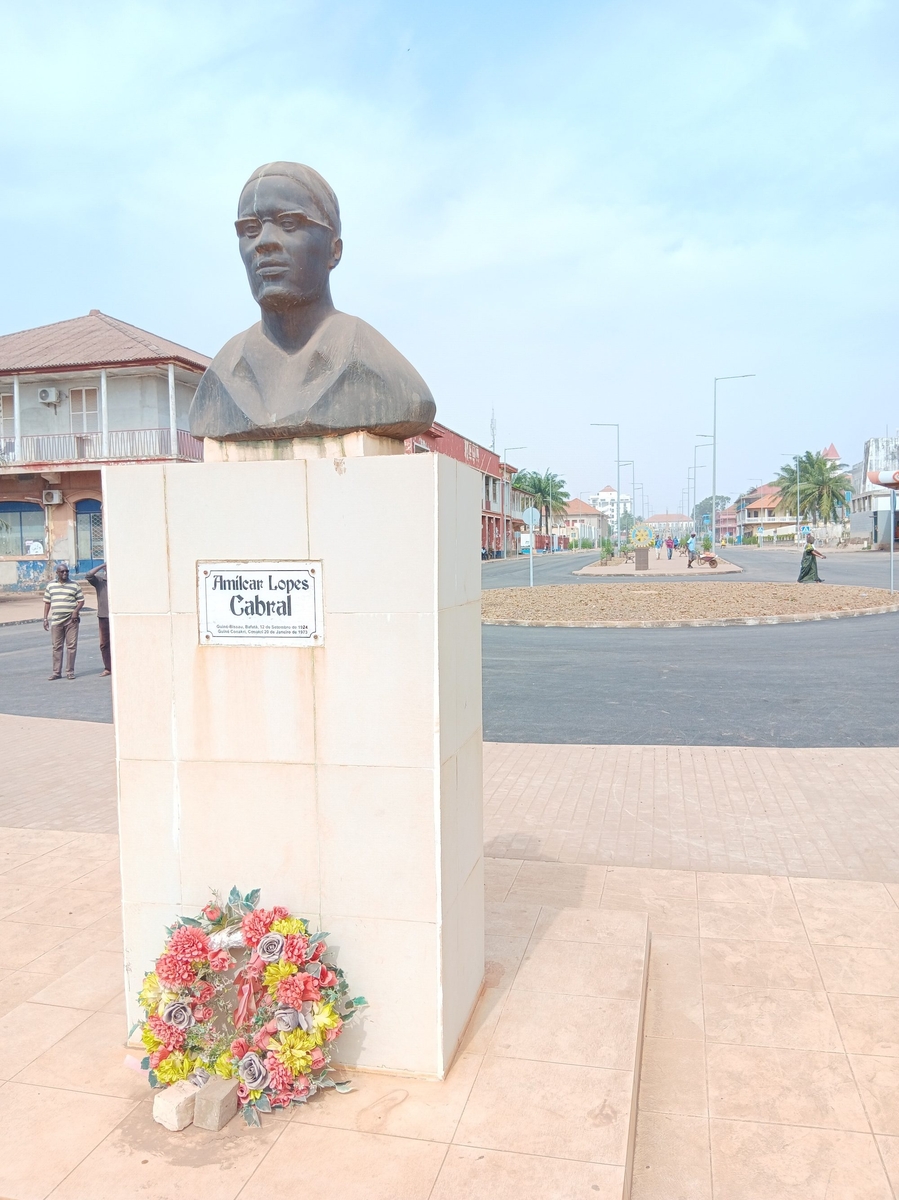
Avenida Amilcar Cabral
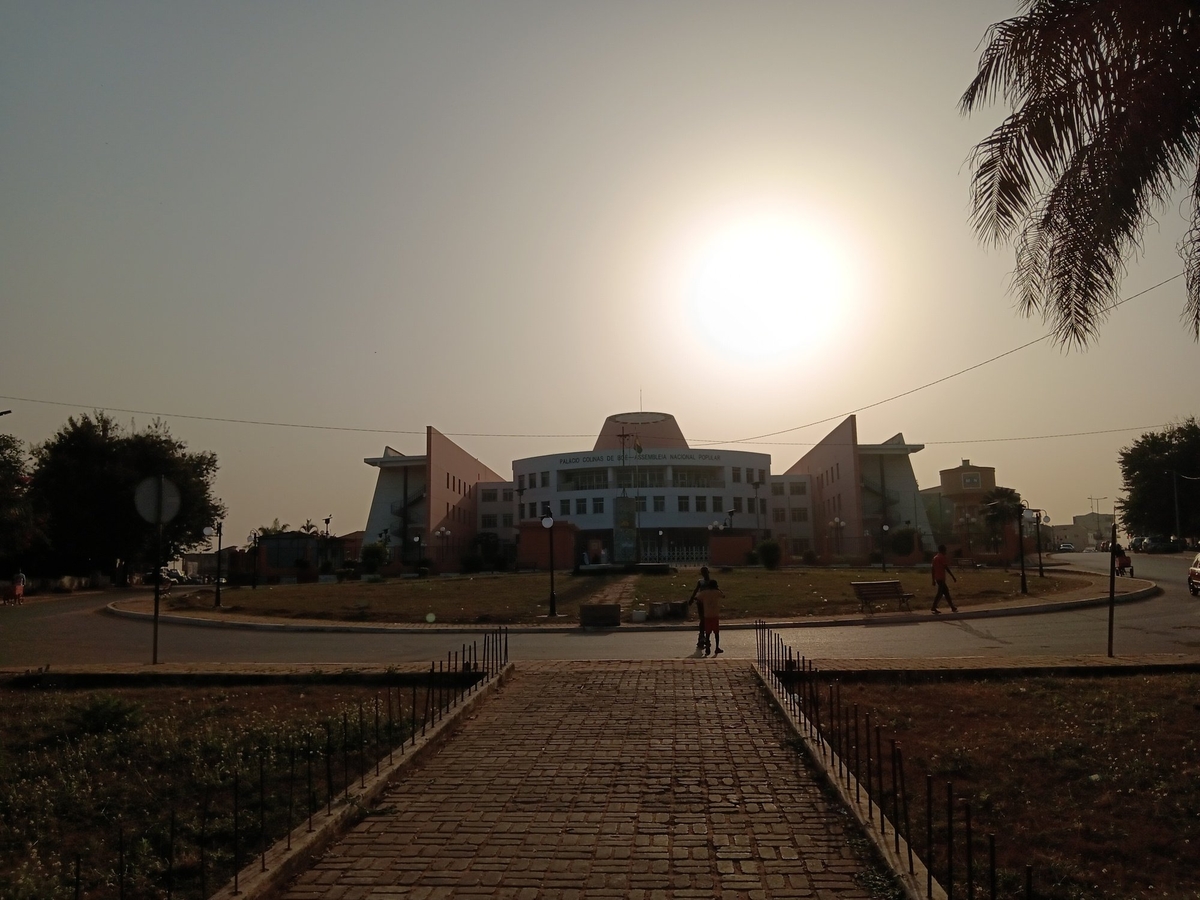
Avenida Amilcar Cabral
8.Sé Catedral de Bissau
The main cathedral in the country is a simple but important religious landmark. I walked in and there was nobody here. It is a Catholic country and this cathedral is on the main street.
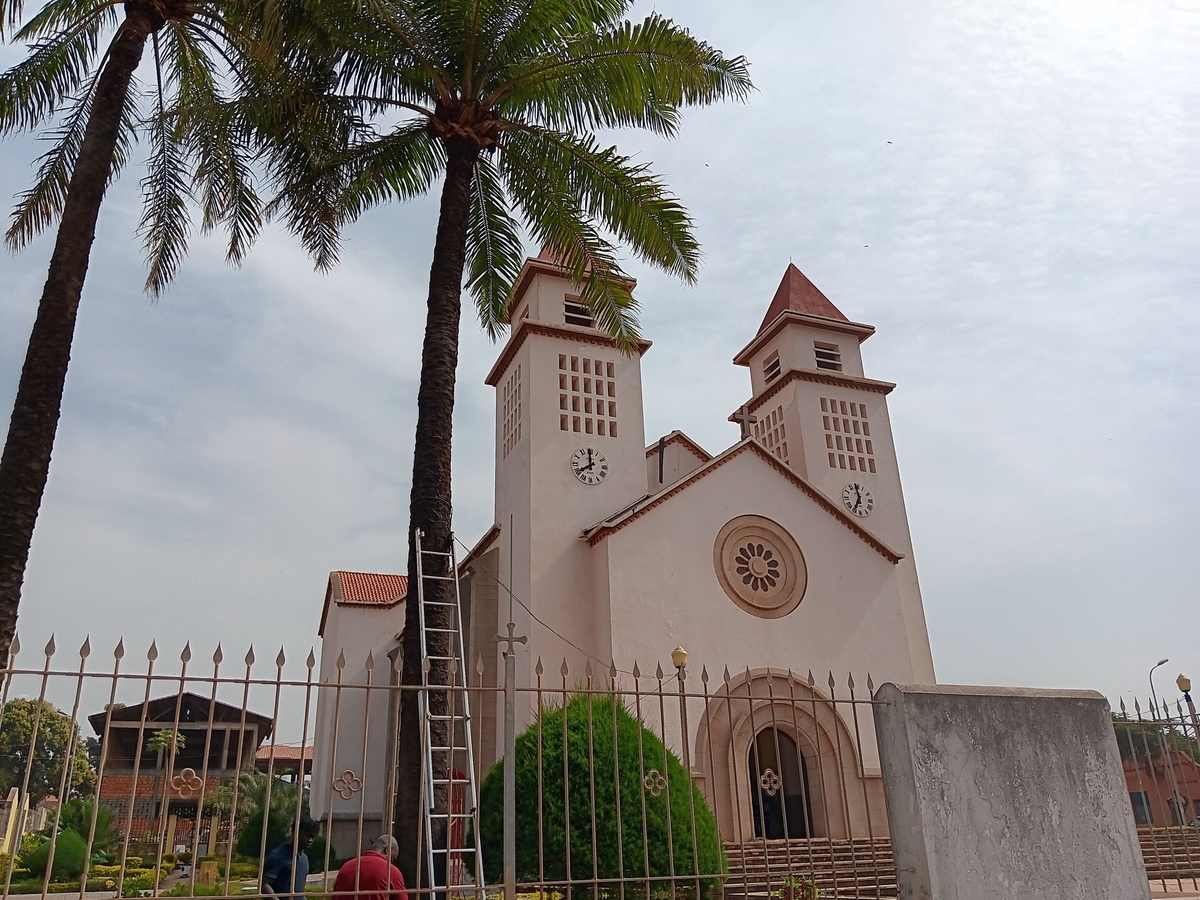
Sé Catedral de Bissau
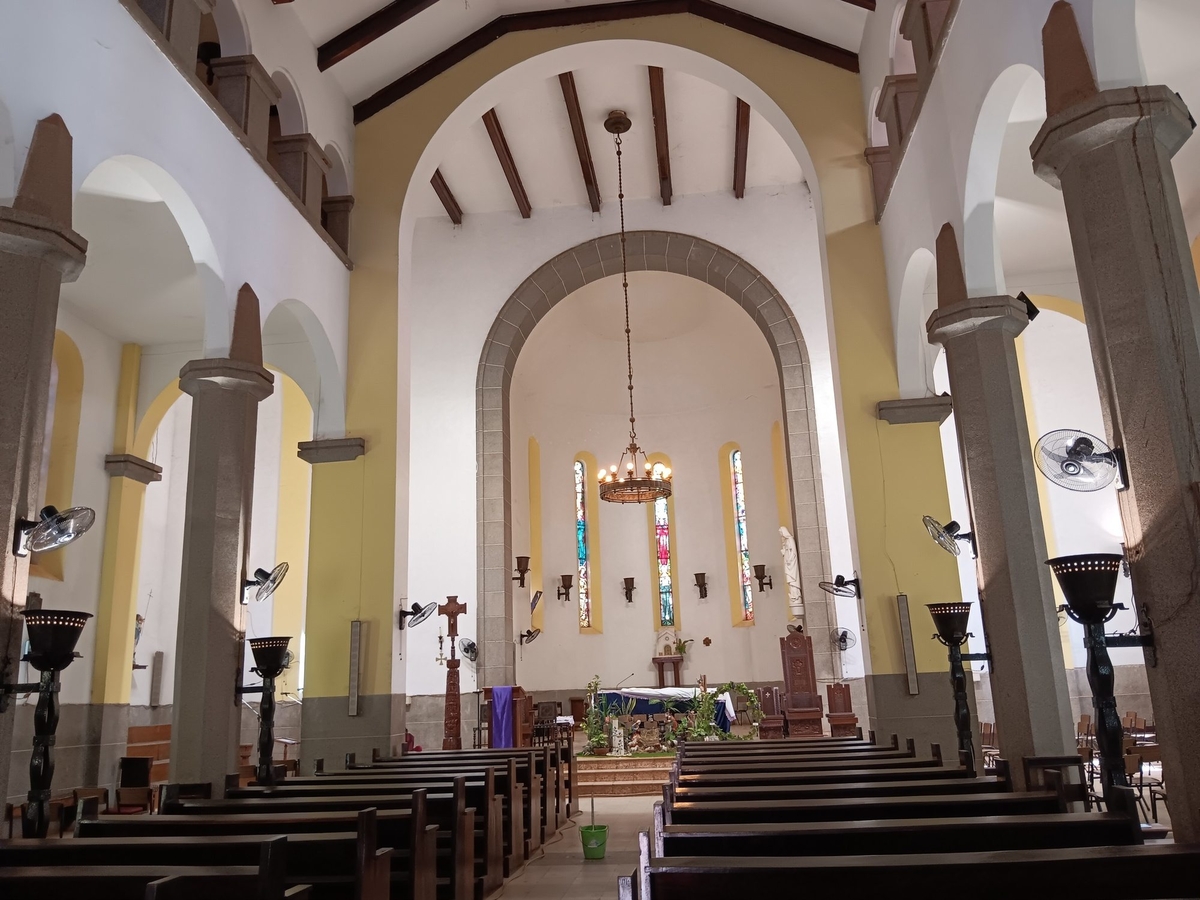
Sé Catedral de Bissau
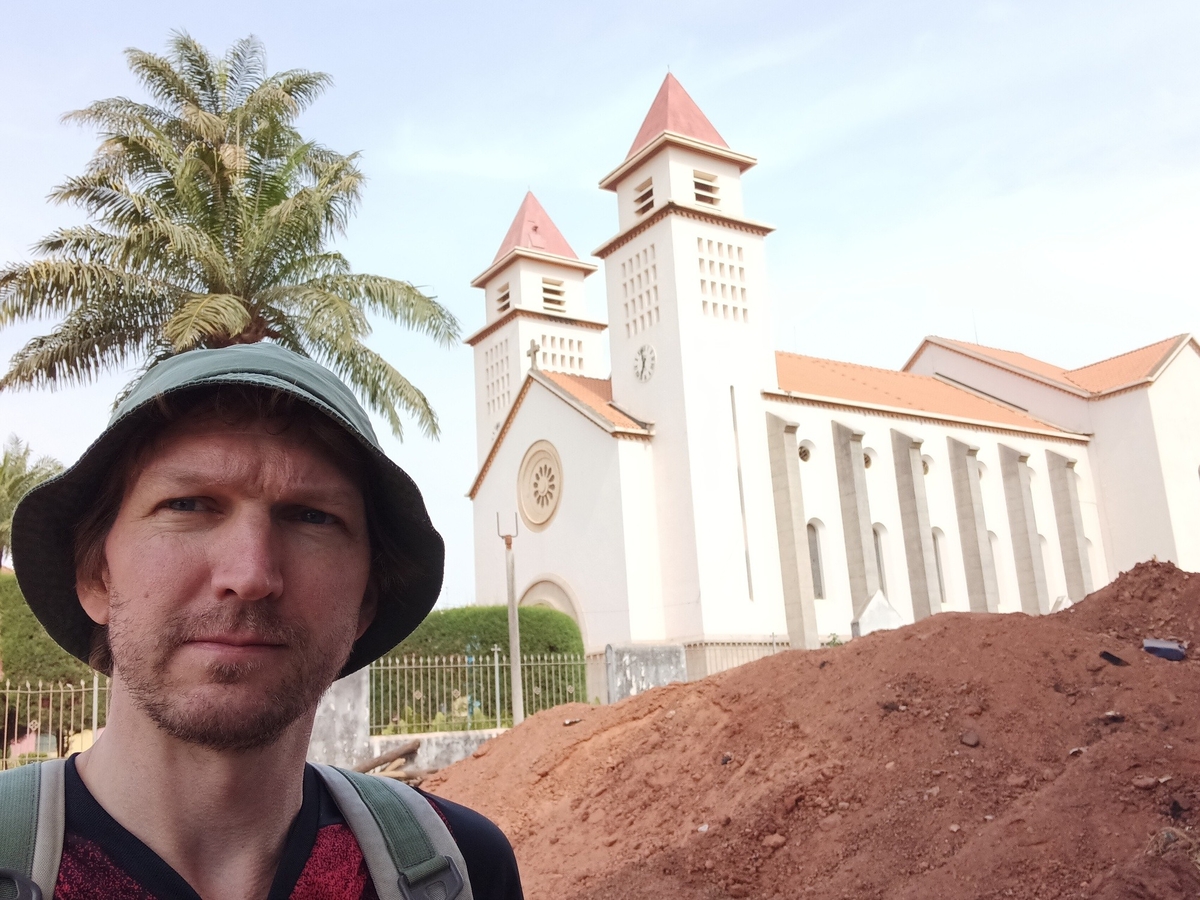
Sé Catedral de Bissau
9.Pidjiguiti Memorial
Down by the seafront, the Pidjiguiti ommemorates the 1959 dockworkers strike massacre. Reminders of Solidarnosc in Gdansk here really, given the similarity. It is also a key site in the independence struggle from Portugal and sits in a calm square.
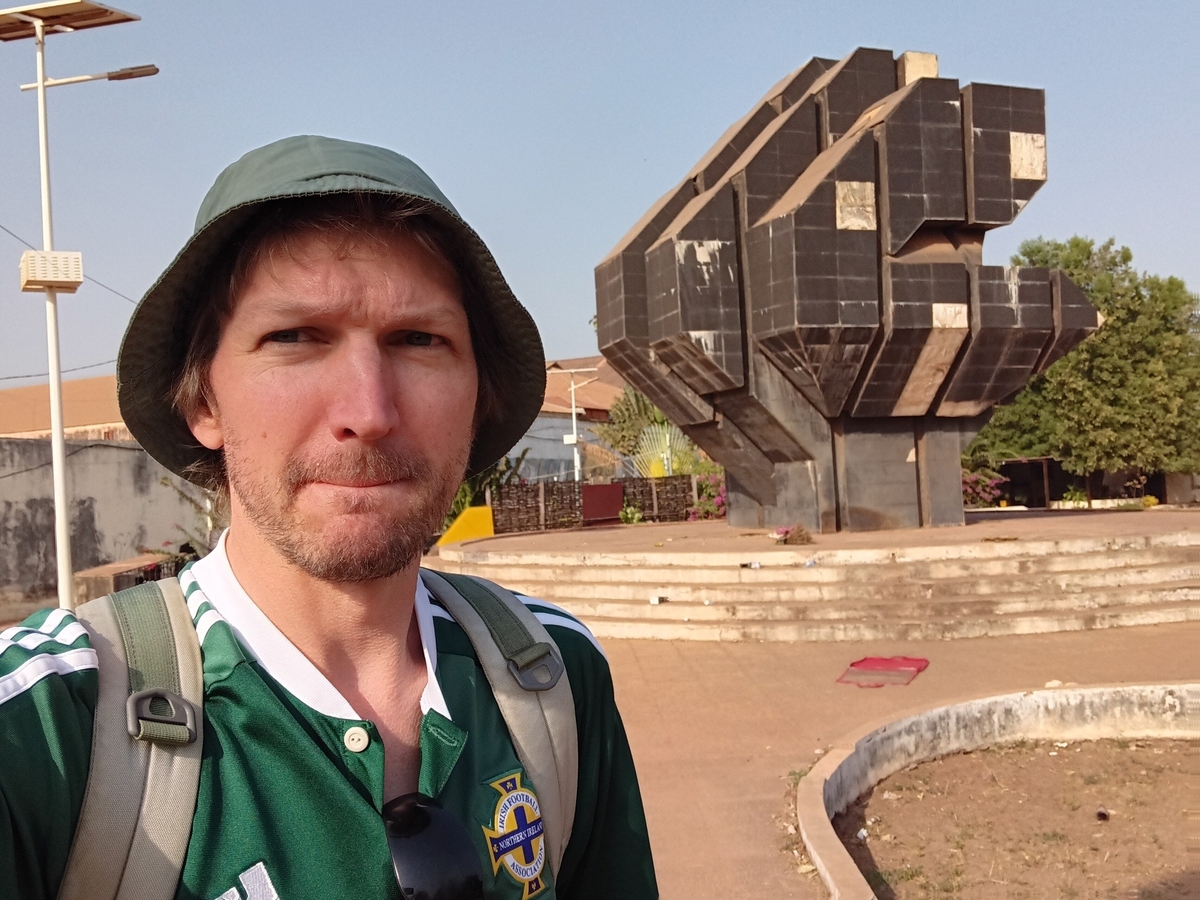
Pidjiguiti Memorial
10.Praca Dos Herois Nacionaias (Empire Square)
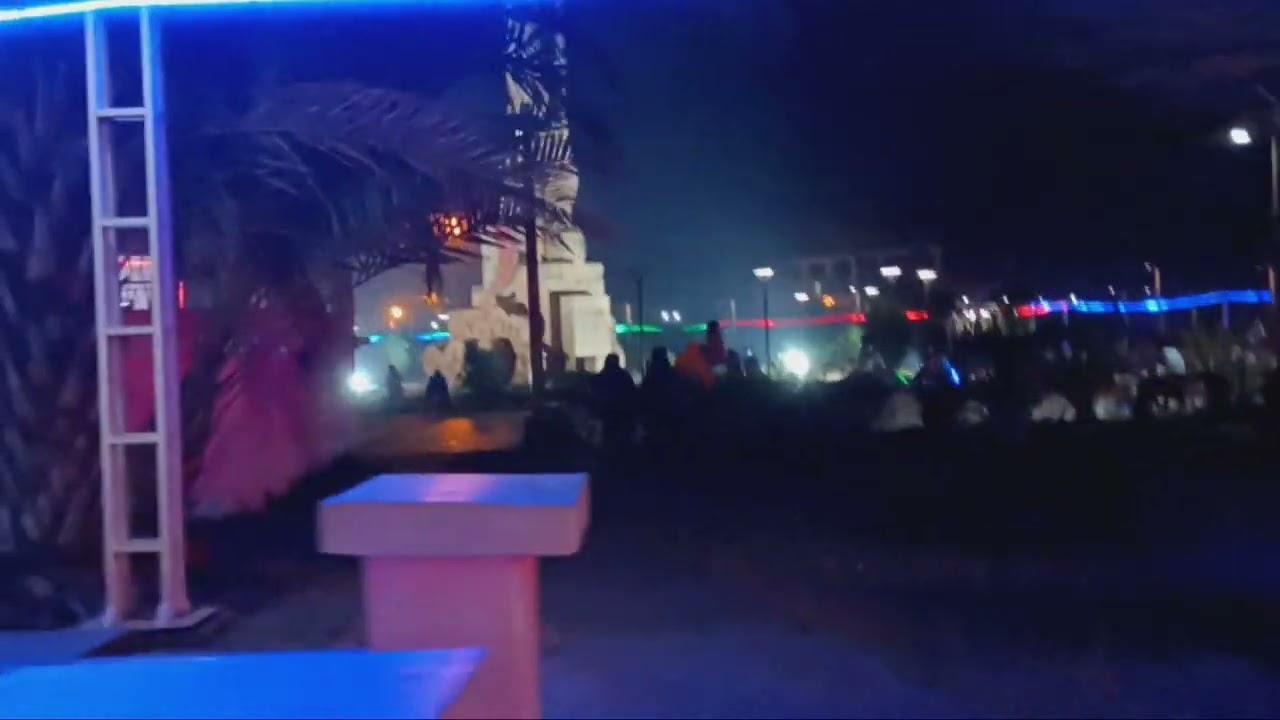
This is the main central square / park area in the city, also on Avenida Amilcar Cabral. Good for relaxing and people-watching and there are a few bars nearby to chill out in. It is often used for events and gatherings and on the Saturday evening there were locals pumping out music and dancing here.
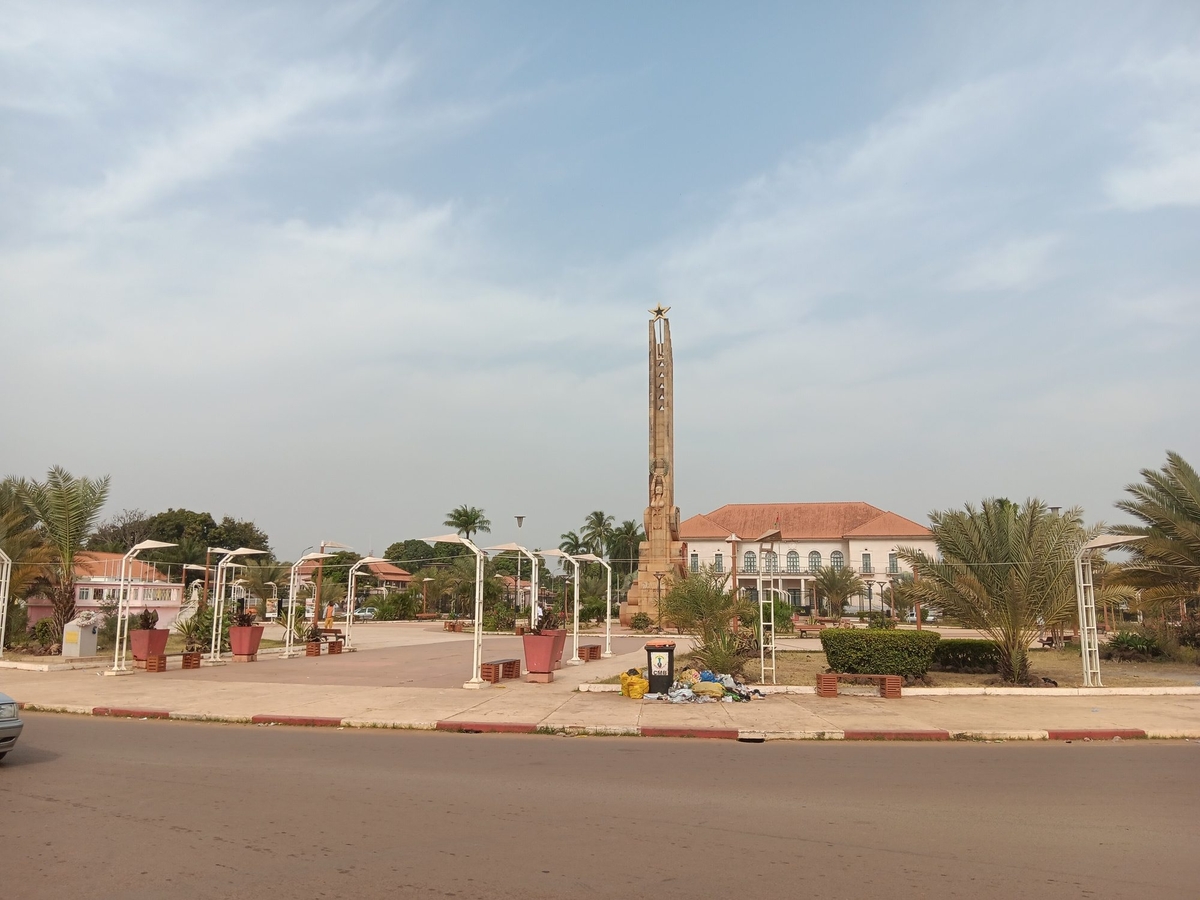
Praca Dos Herois Nacionalas (Empire Square)
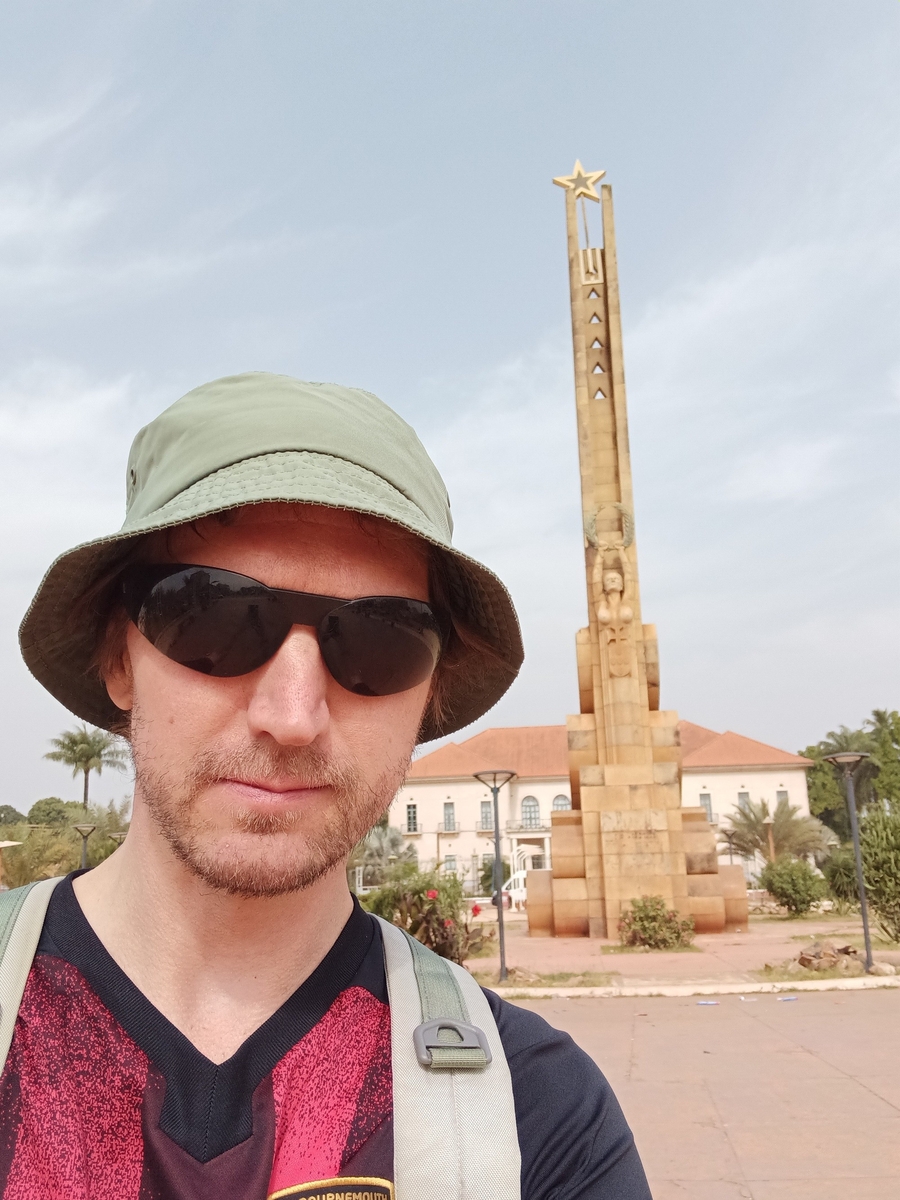
Praca Dos Herois Nacionalas (Empire Square)
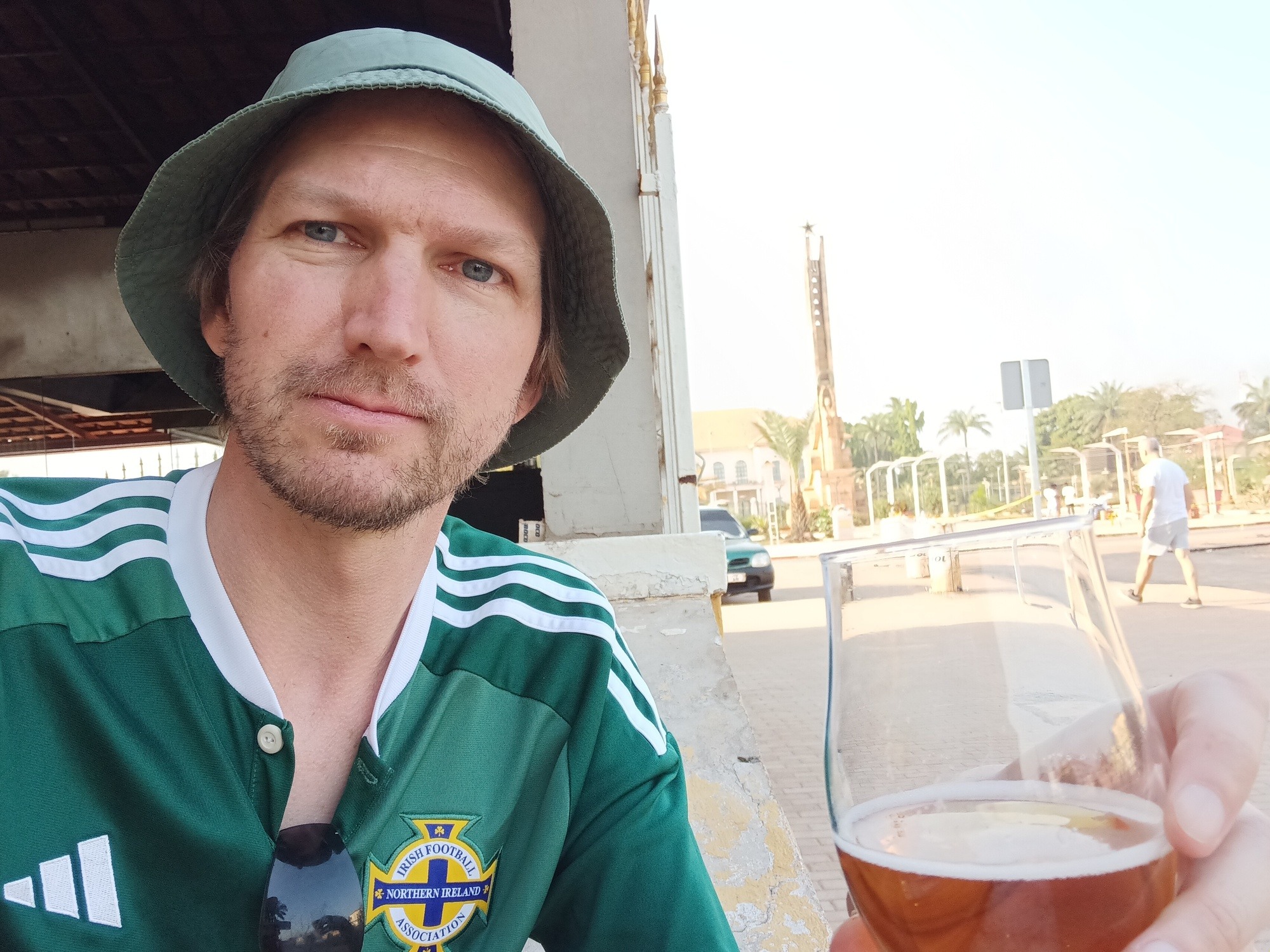
Imperial Bar at Hotel Imperio, Bissau
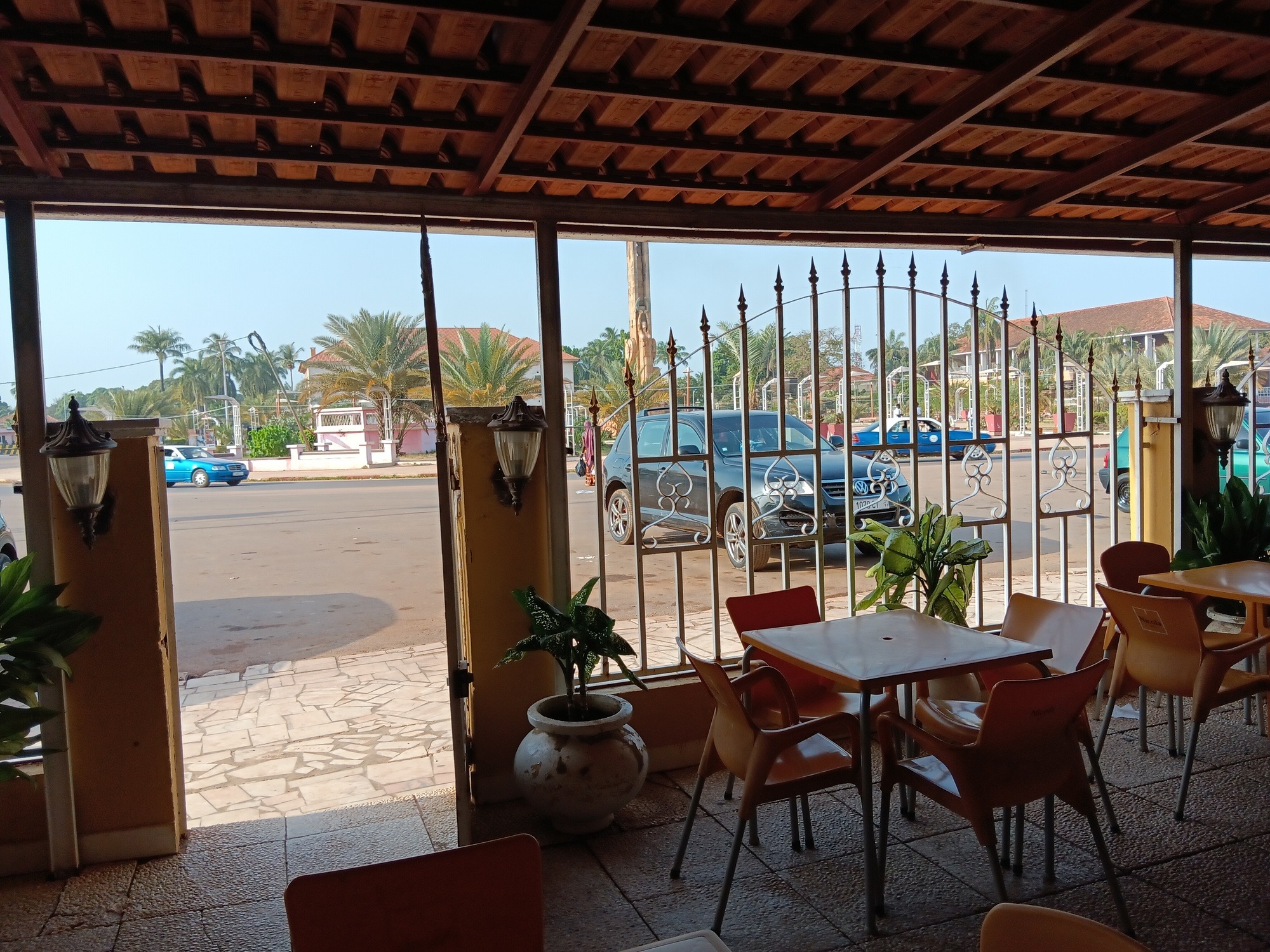
Imperial Bar at Hotel Imperio, Bissau
11.National Ethnographic Museum of Guinea-Bissau
This museum was closed on my visit – I was here over Christmas in 2023. Apparently it is a small but insightful museum which shows the history of Guinea-Bissau and displays masks, tools, and traditional culture.
12.Porto de Bissau
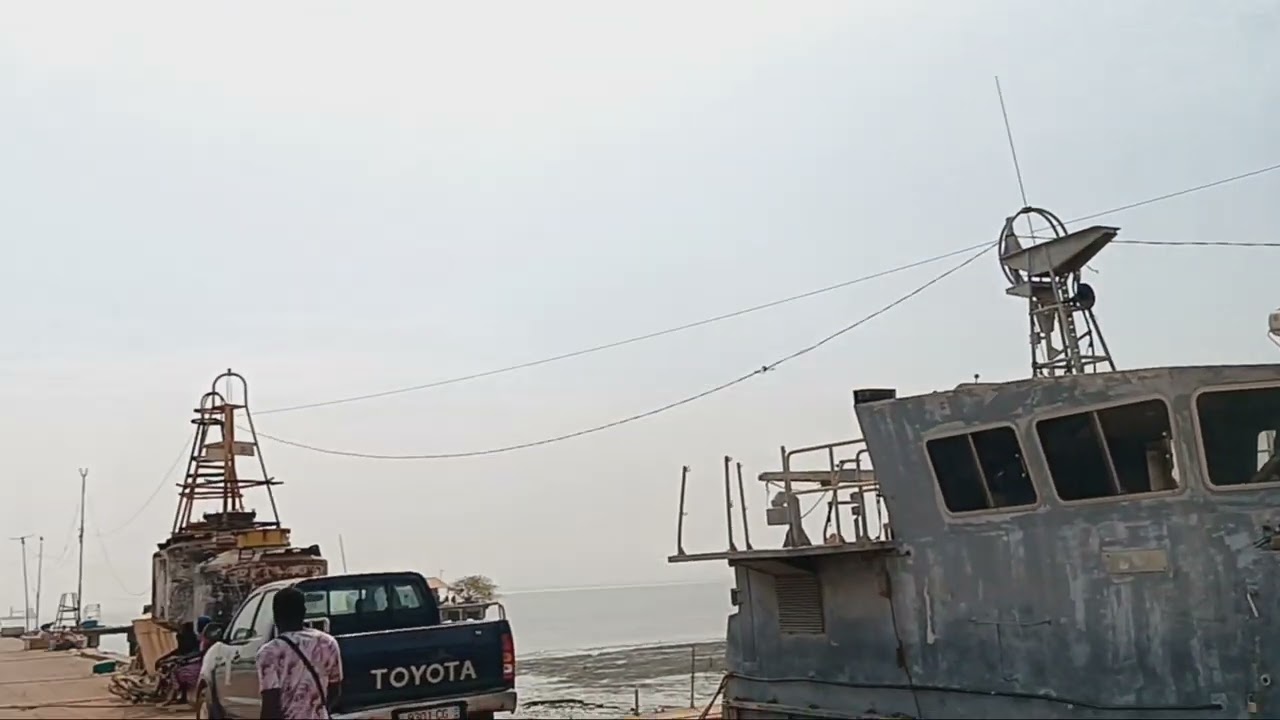
I visited the main working port area of Bissau – quite a few boats were here and you can organise trips to the islands such as Bolama and Ilha De Orango. On that particular trip, I visited islands in Guinea and Sierra Leone, but not in Guinea-Bissau.
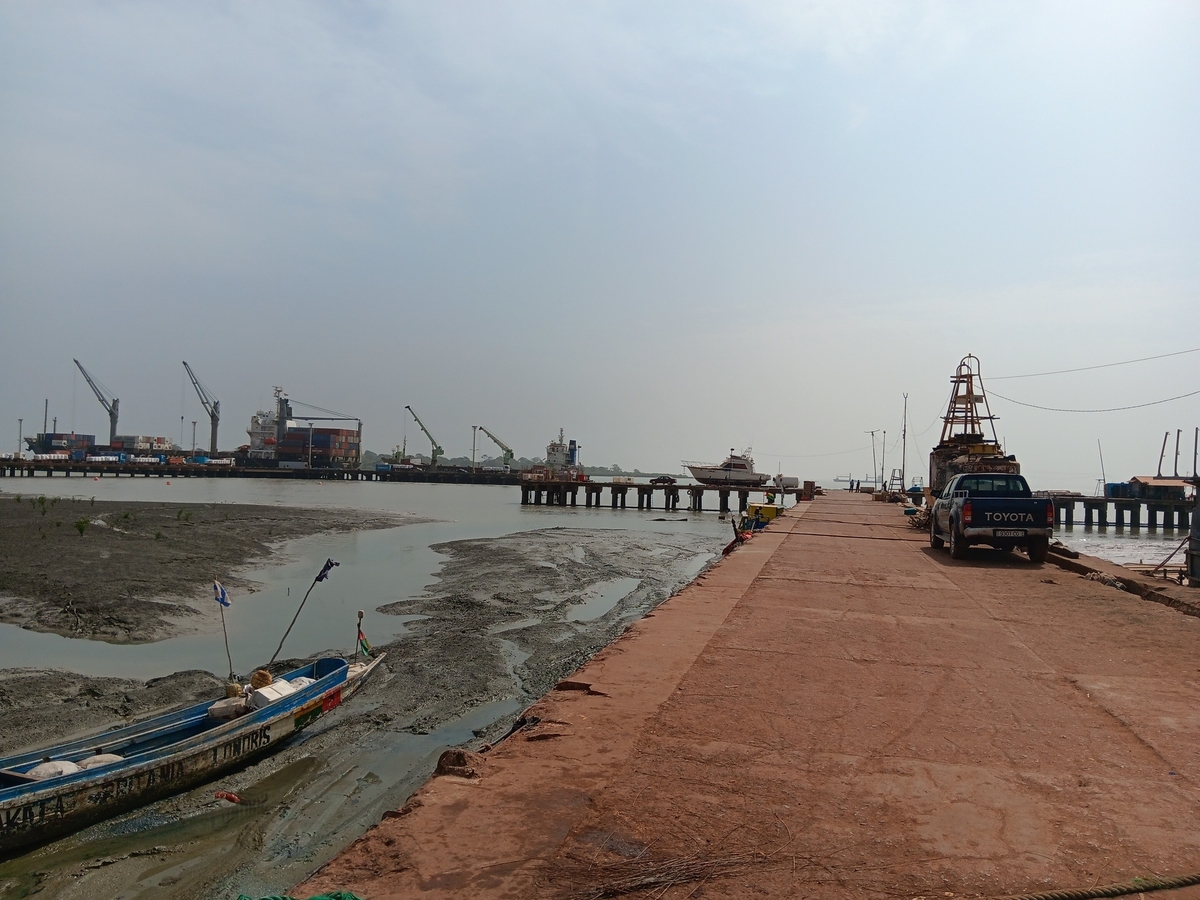
Porto de Bissau
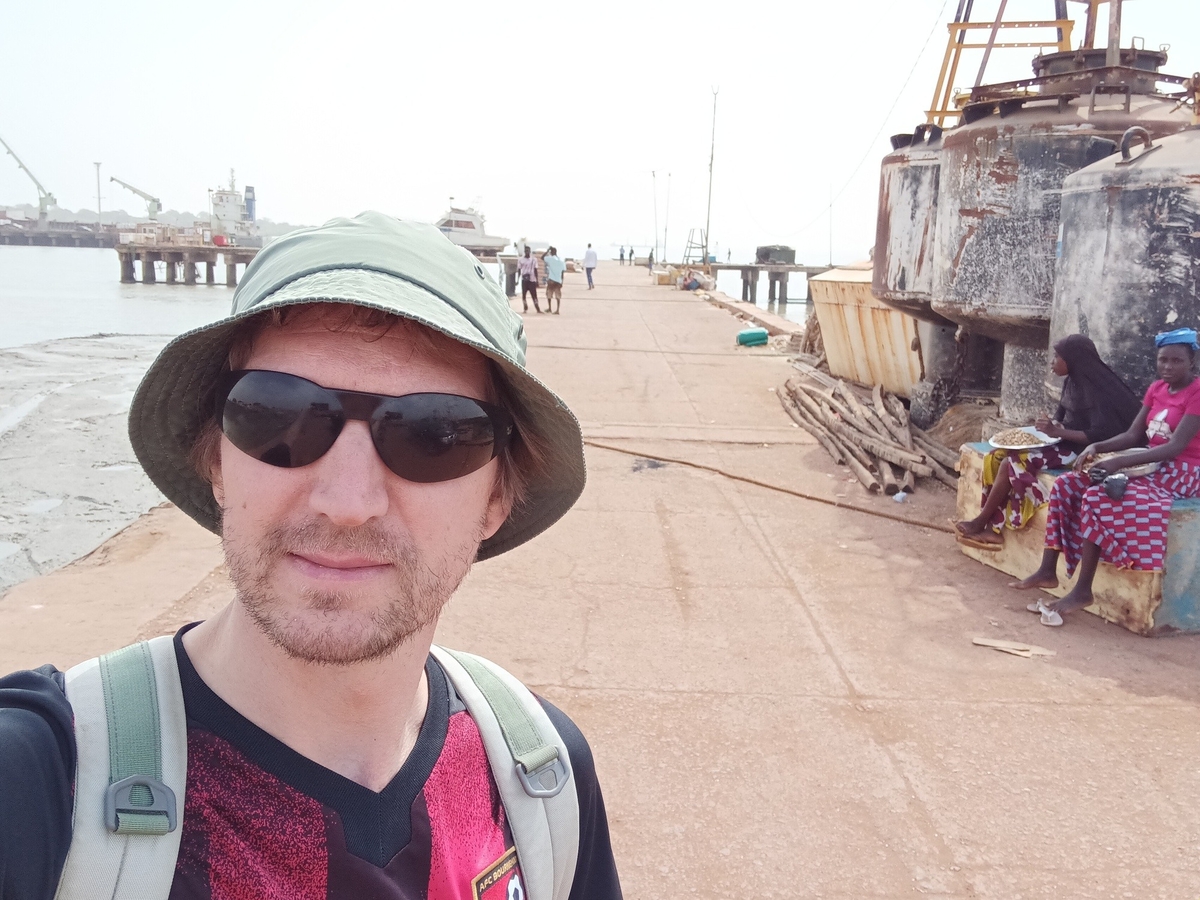
Porto de Bissau
The port has a few restaurants and cafes and is a chilled out place, where you can watch and observe daily trade and marine life.
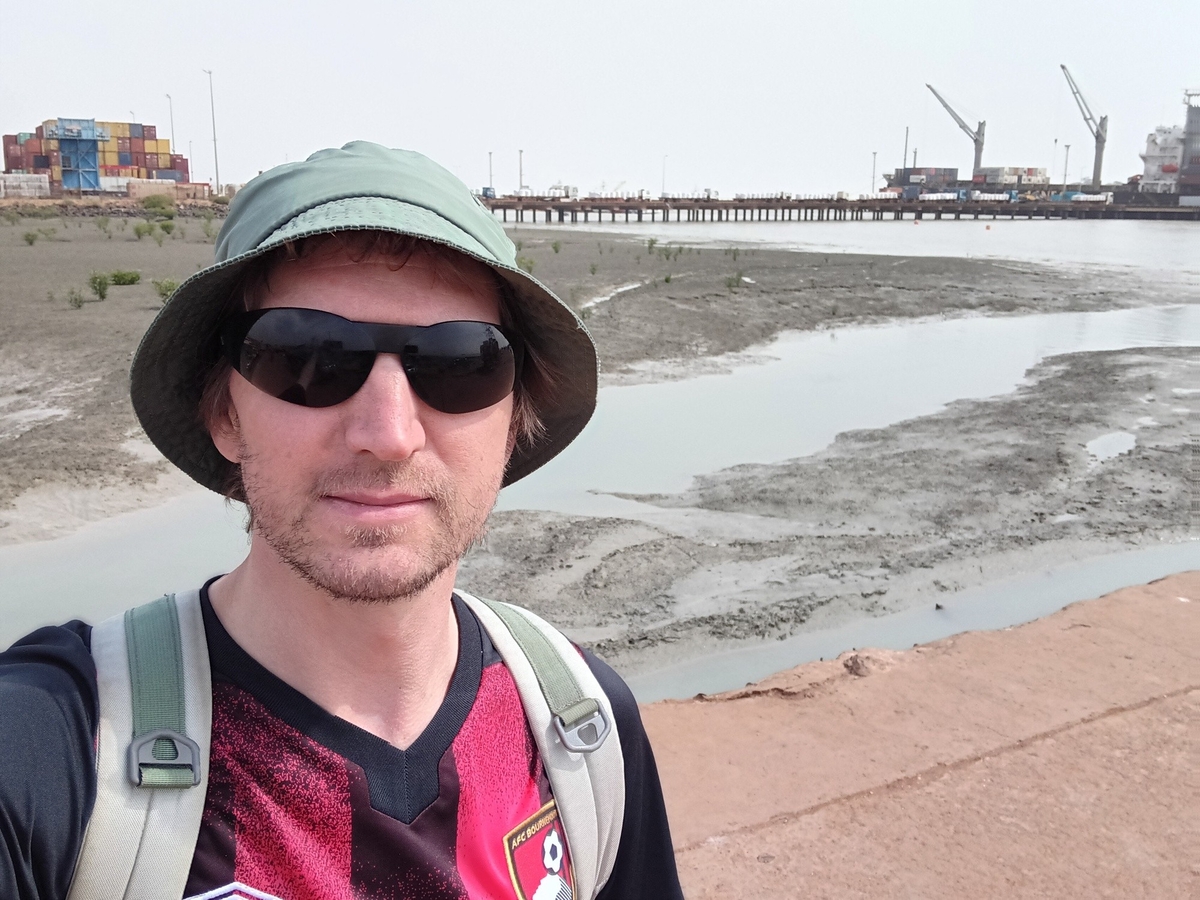
Porto de Bissau
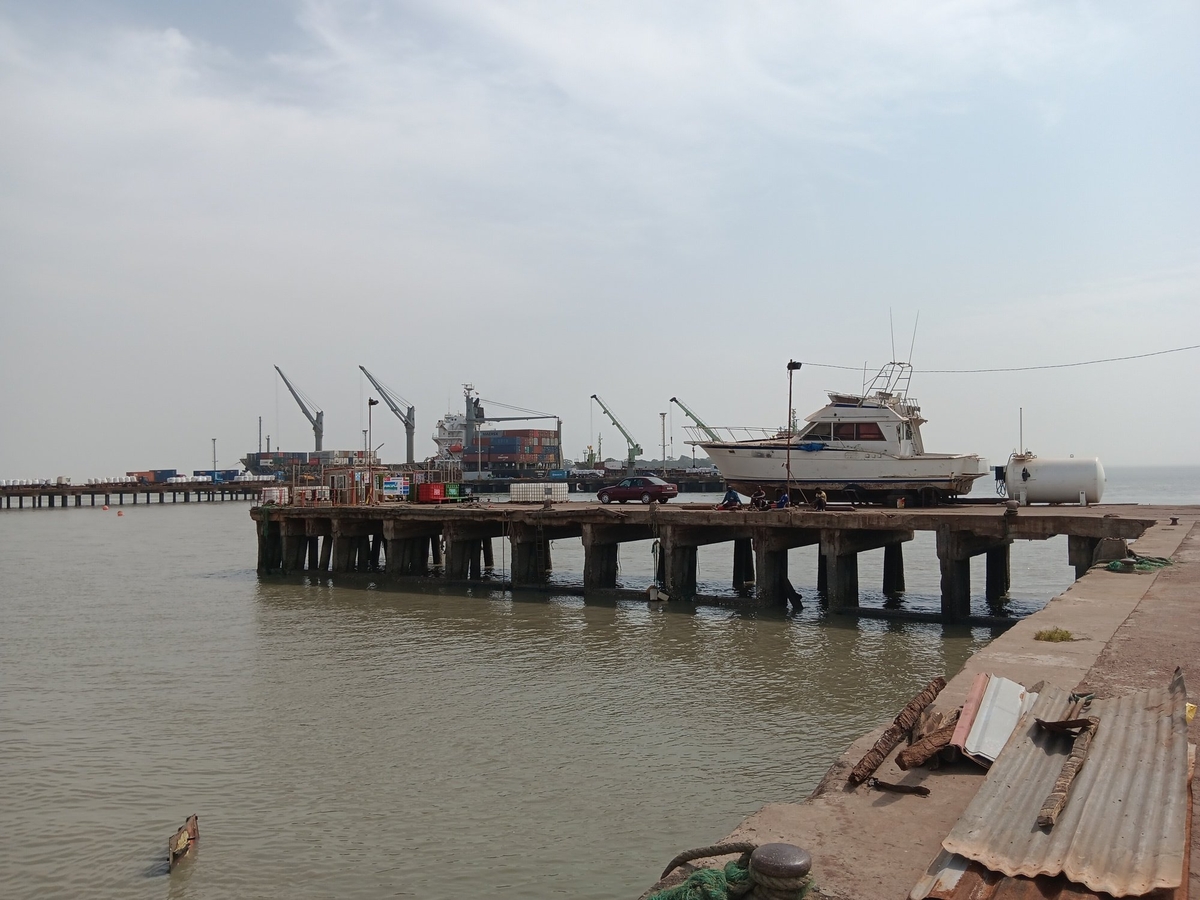
Porto de Bissau
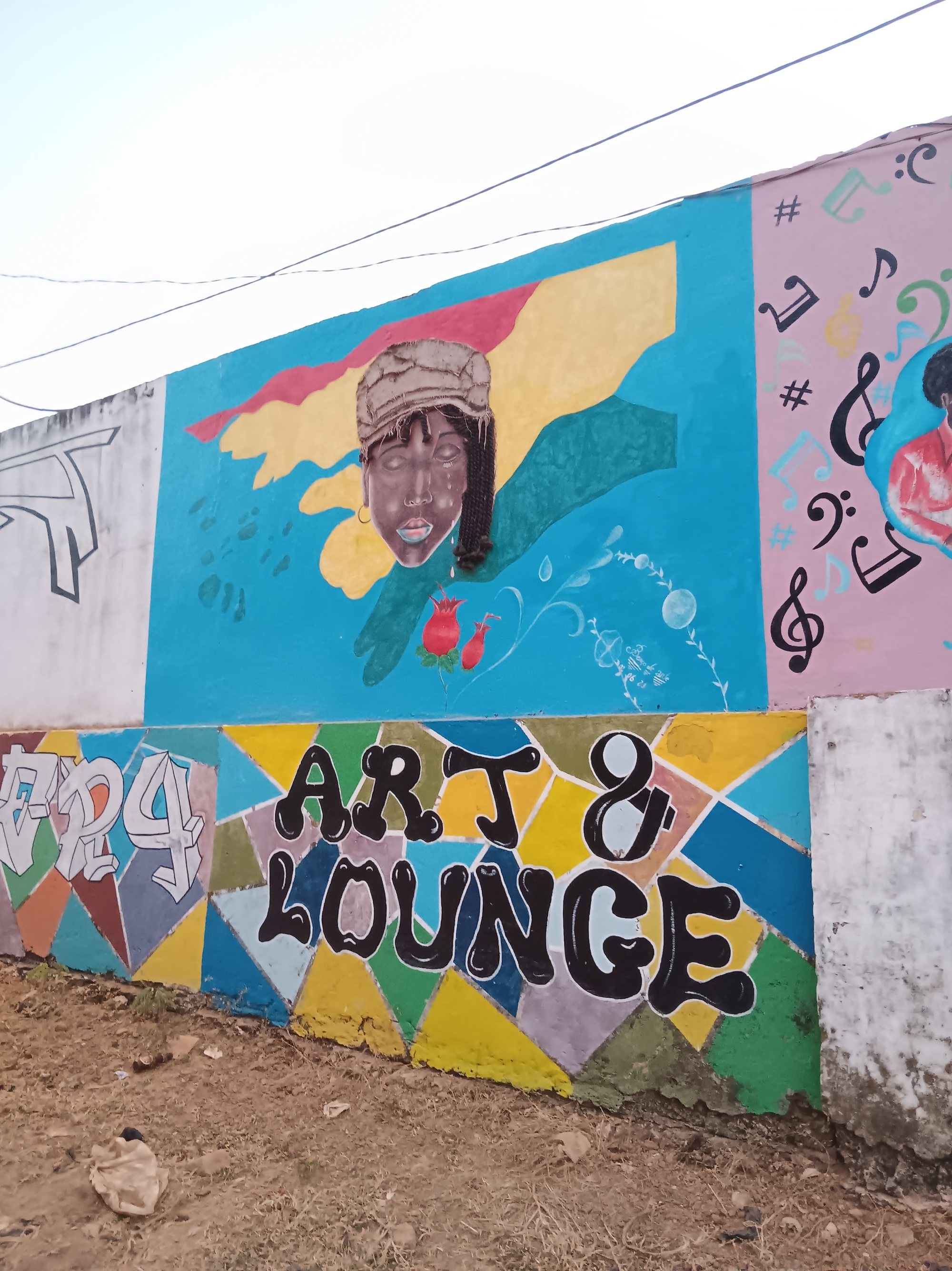
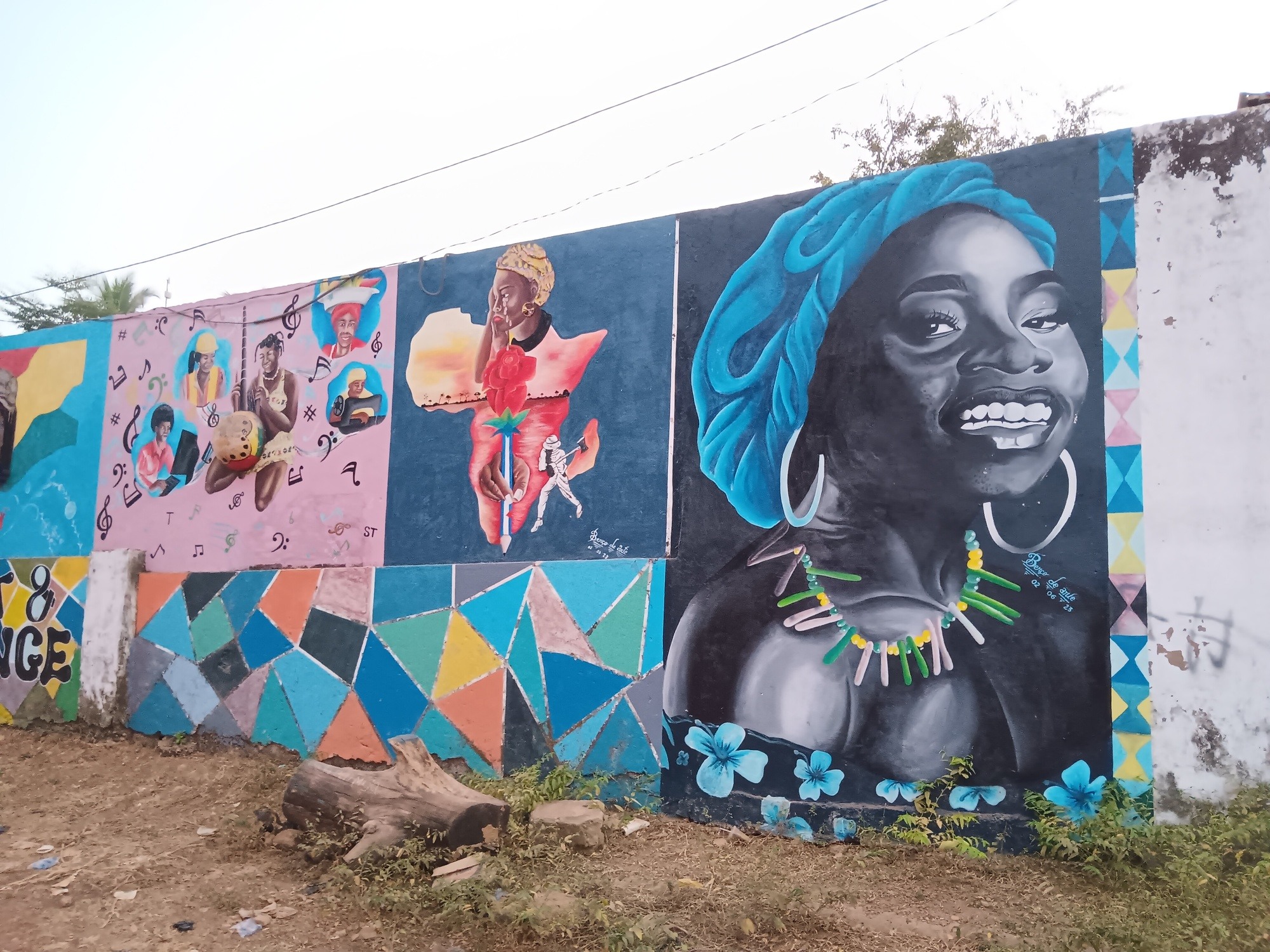
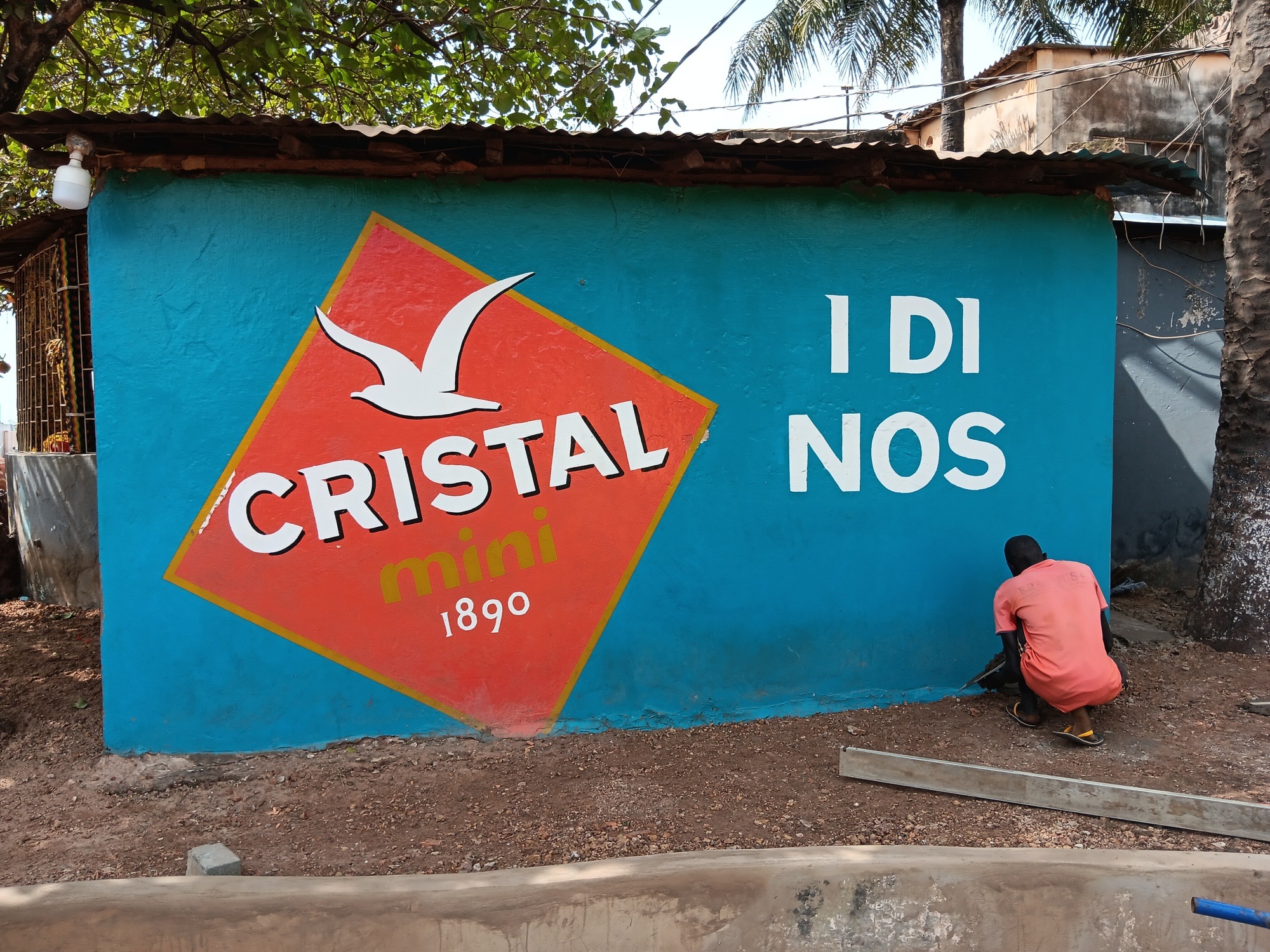
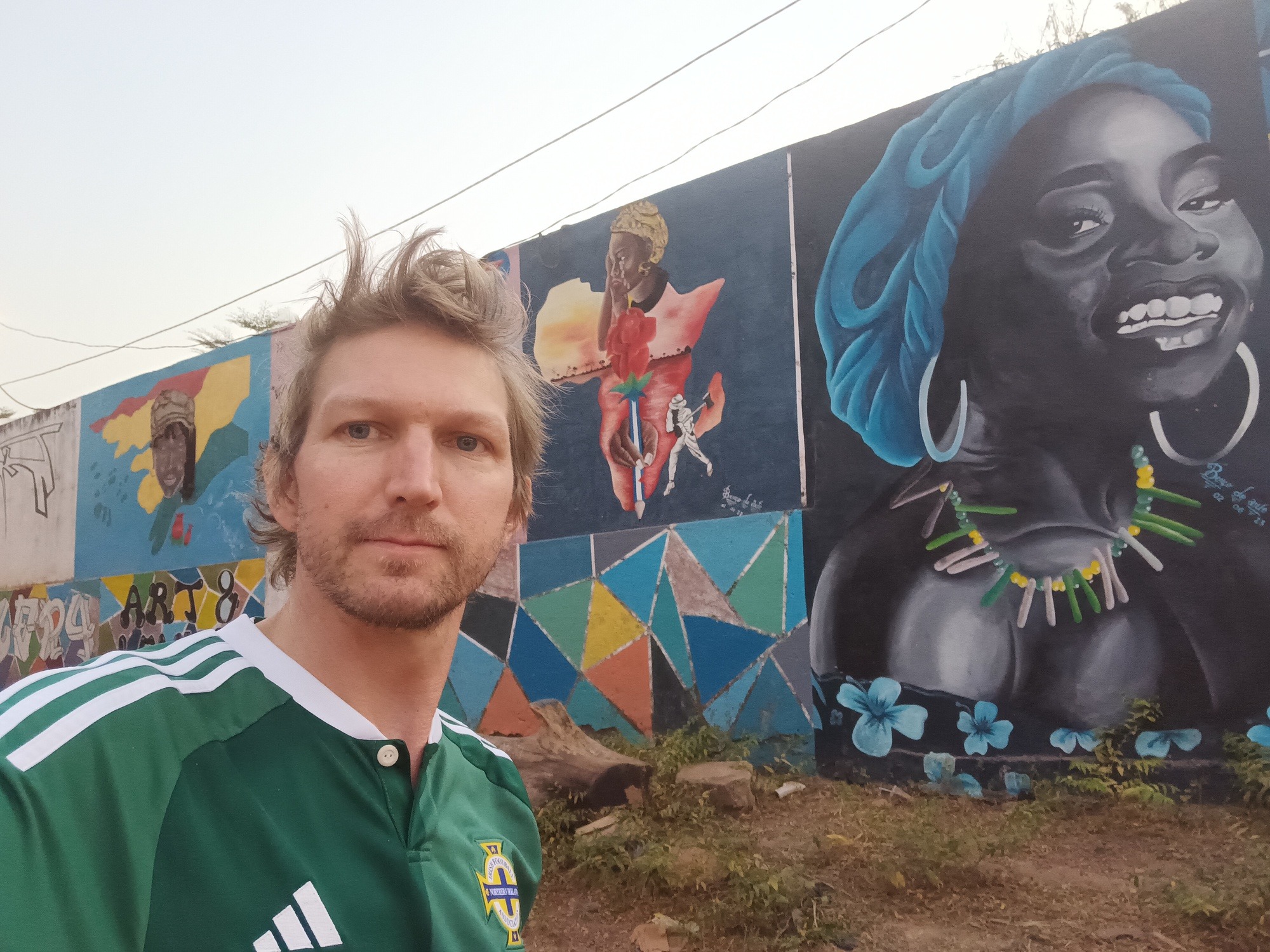
13.Murals Of Bissau
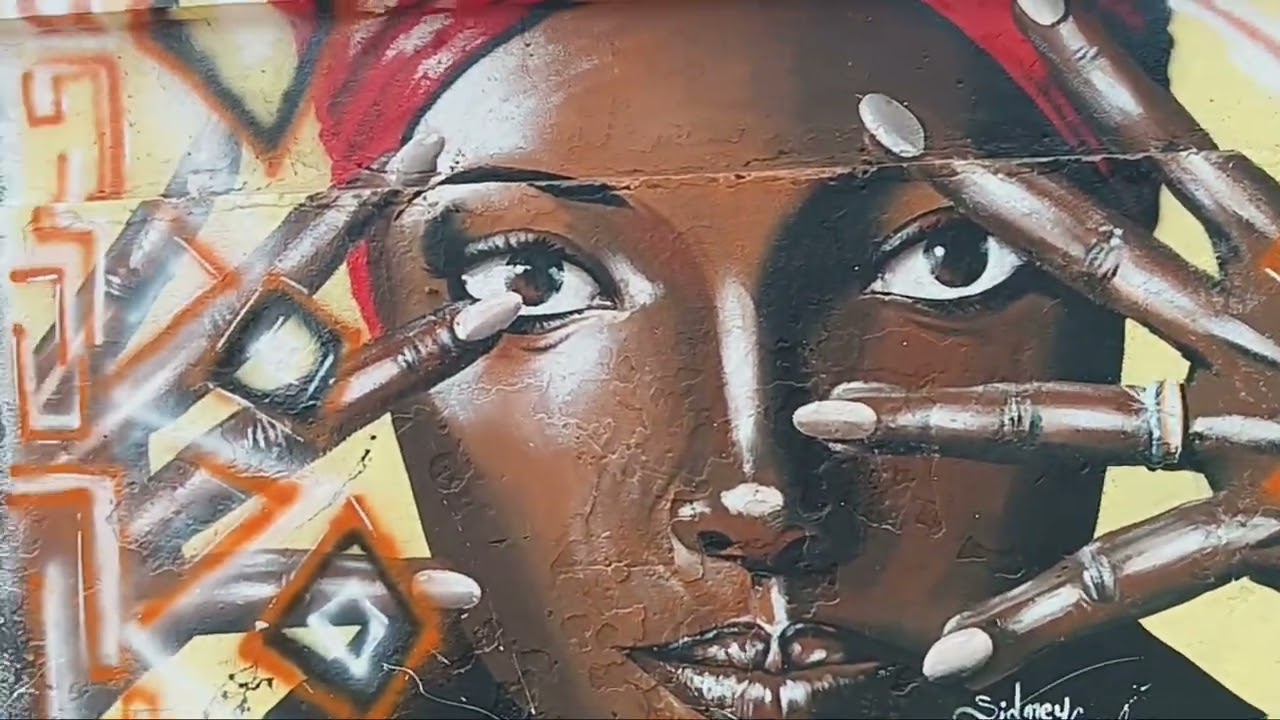
I found Bissau to be one of the more artistic African capitals I have been in and I must have seen about 20 murals on my backpacking around the city.
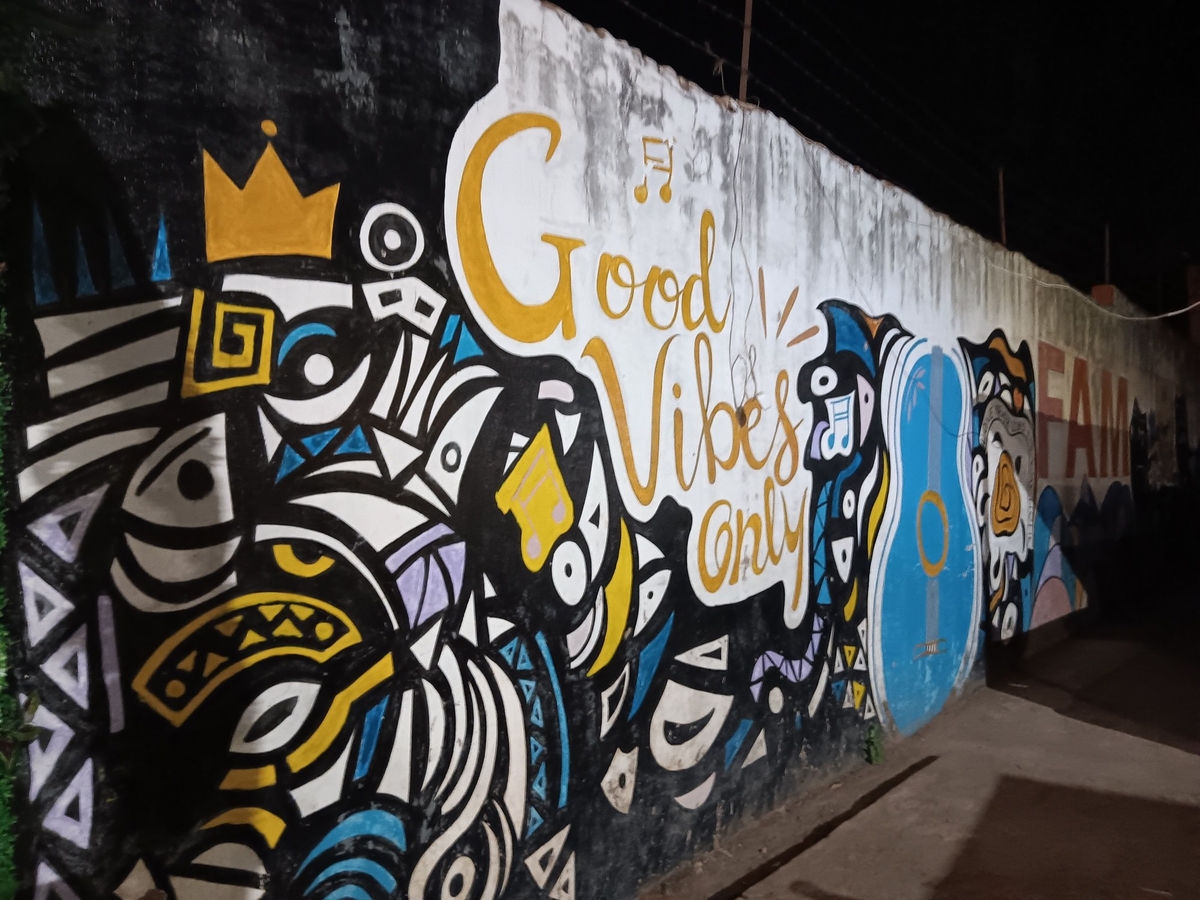
Murals Of Bissau
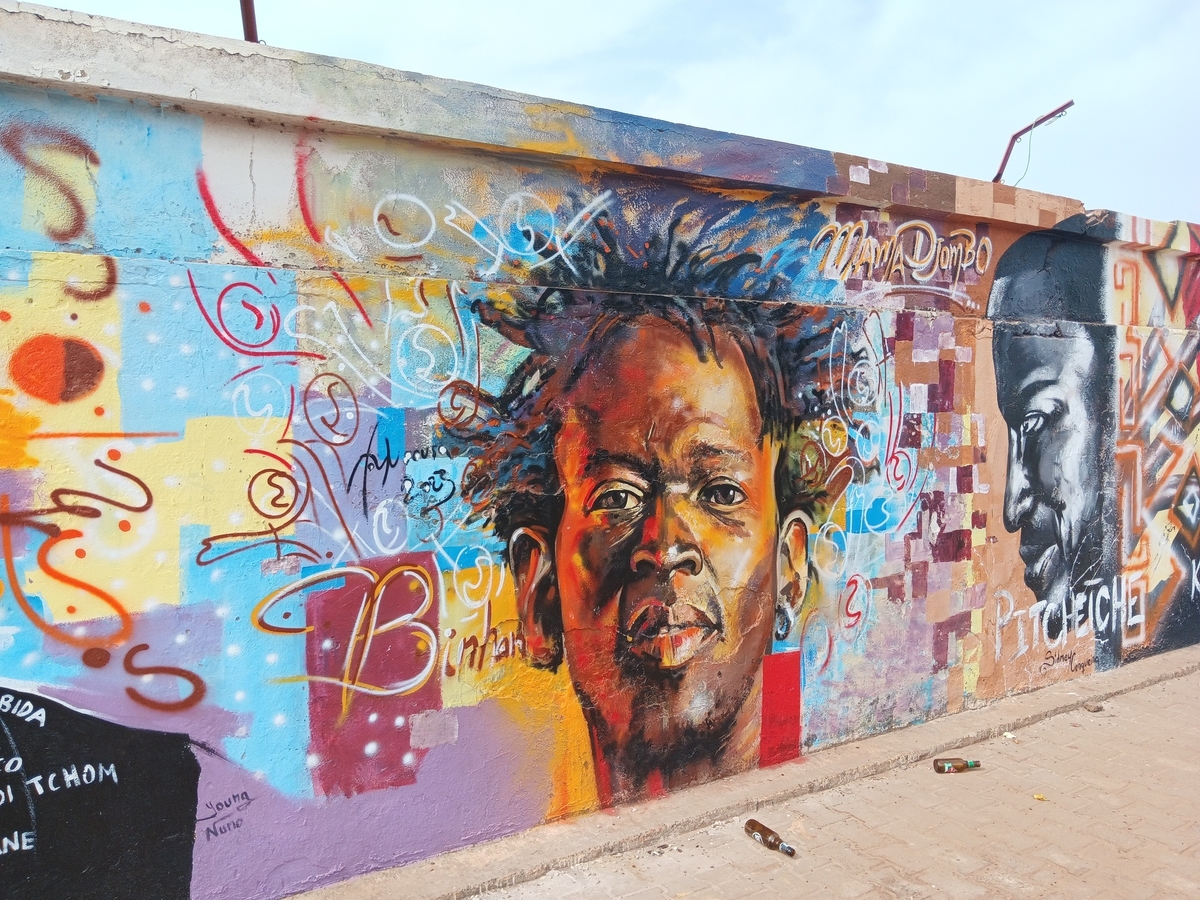
Murals Of Bissau
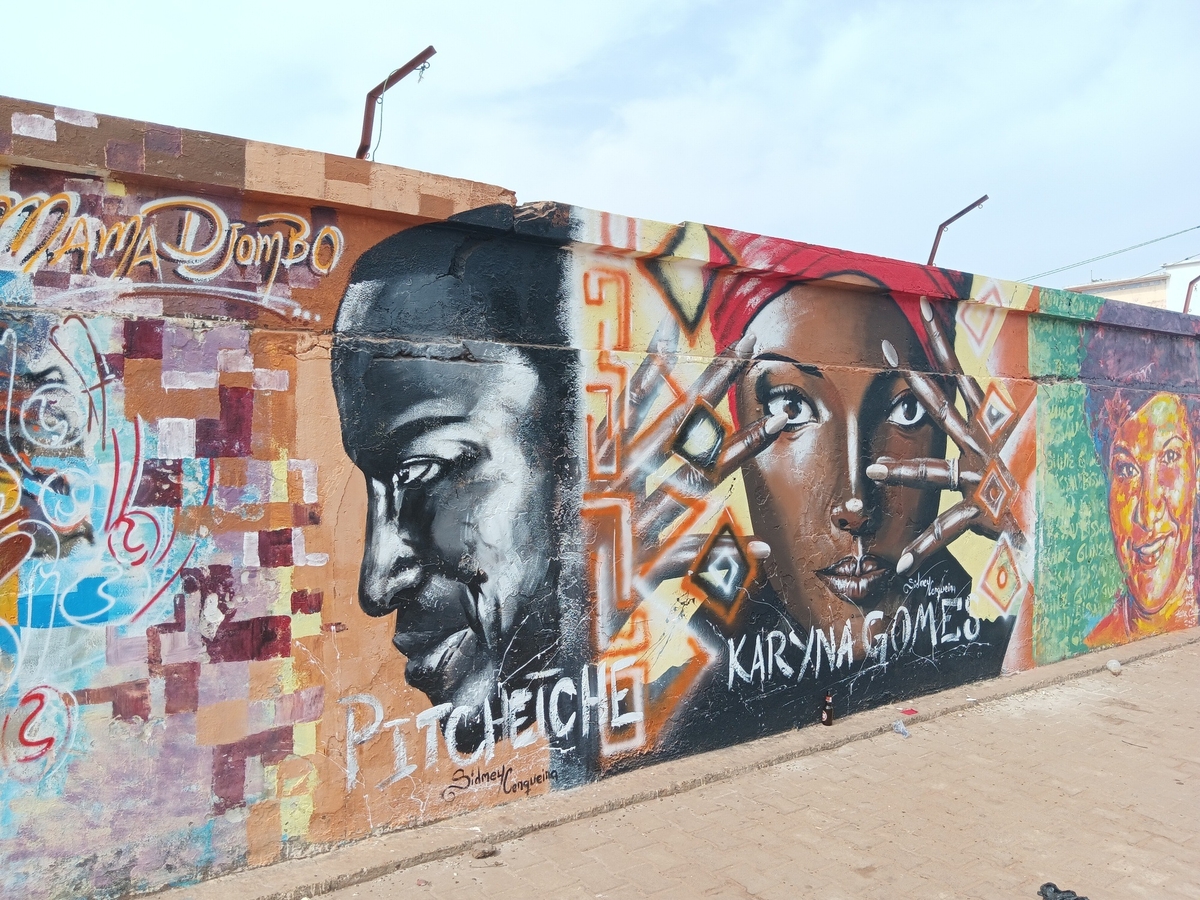
Murals Of Bissau
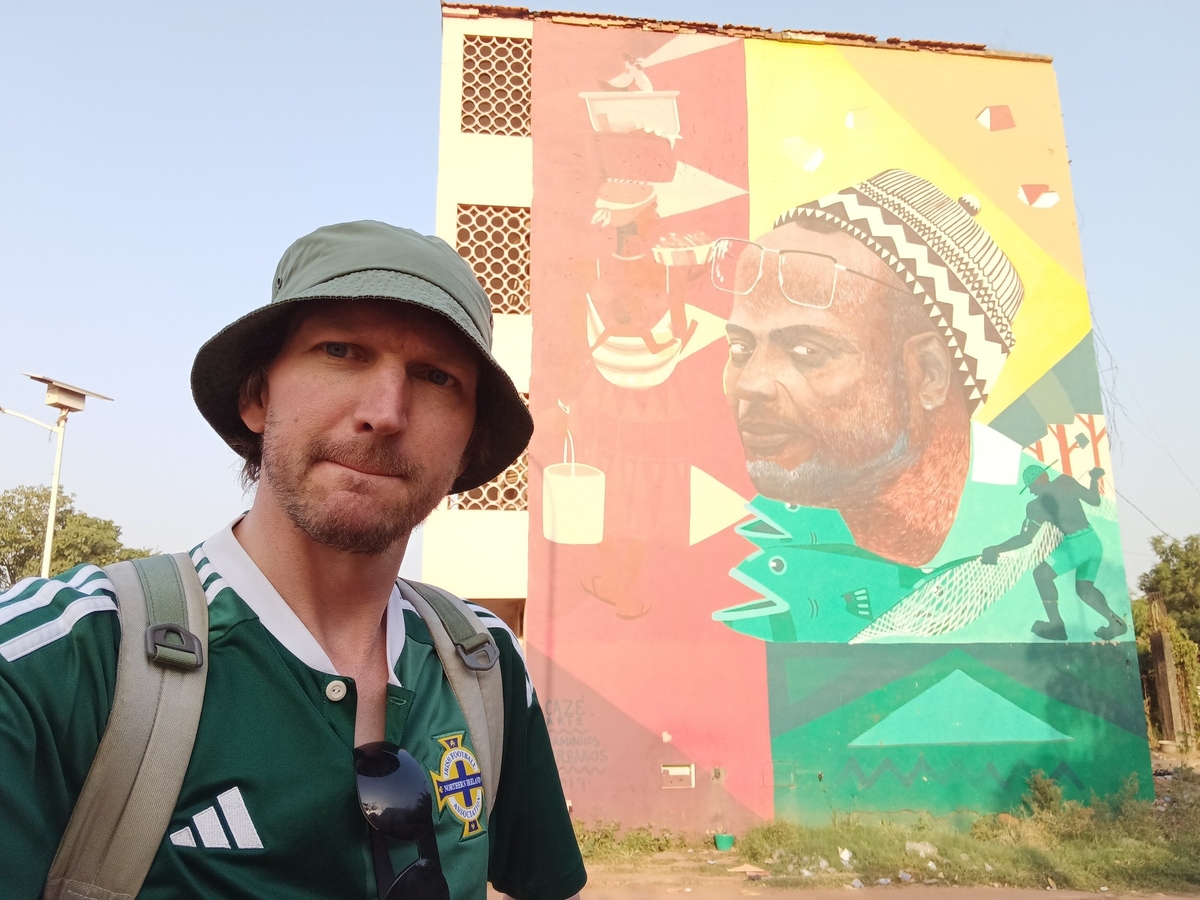
Murals Of Bissau
Art loyal at Coqueiros, Bissau
Art loyal at Coqueiros, Bissau
Thirsty Thursdays: 9 Bars And Cafes I Visited In Guinea-Bissau
Coqueiros, Bissau
How To Get A Guinea-Bissau Visa On Arrival at Bissau International Airport
So a quick lucky 13 there and I had seen all I longed to see in Bissau for this lifetime. Here are some videos from my time backpacking Bissau, Guinea-Bissau: