





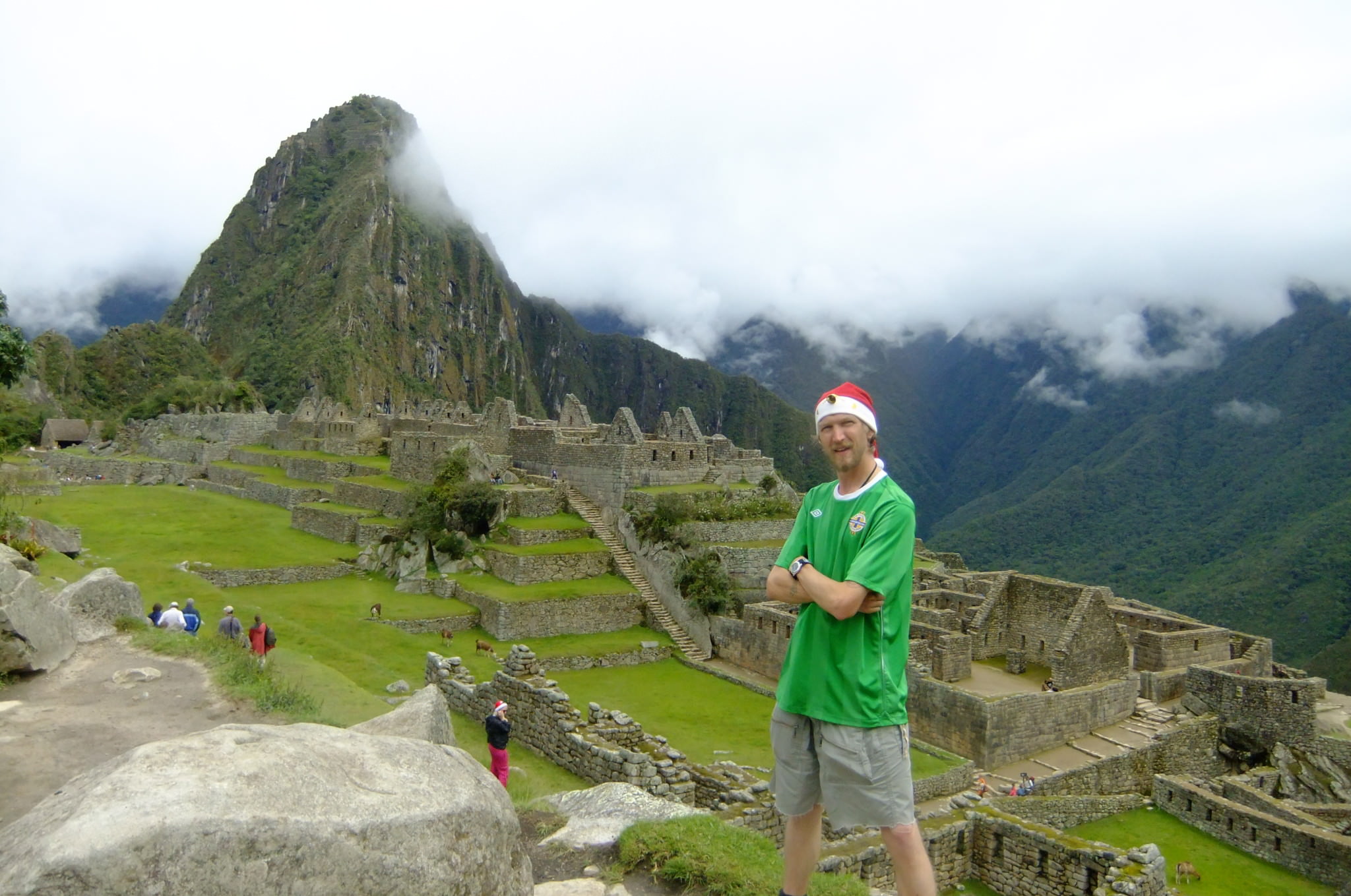
Machu Picchu after the Inca Trail
Stuff a 40-litre pack, lace up your dusty Merrells, and board that red-eye from LAX—South America’s famed Gringo Trail is calling. Whether you’re ticking off surf breaks in Máncora, sand-boarding in Huacachina, or conquering Dead Woman’s Pass on the Inca Trail, a dependable data connection is now as essential as Diamox and duct tape. Physical SIM cards still dominate shop kiosks, but modern wanderers are ditching plastic for a two-minute QR scan that unleashes local LTE/5 G the moment their boots hit Peruvian soil.
Below is a 2,000-kilometre, Lima-to-Cusco roadmap designed for the community at Don’t Stop Living—long-term backpackers, digital nomads, and RTW shoe-stringers—showing exactly how the best eSIM for Peru keeps maps loading, hostel apps pinging, and Instagram Reels rolling while you ride chicken buses through the Andes.
Why Peru Is Still the Backpacker Holy Grail
- Epic Biomes: In 24 hours you can bus from surf-town humidity to 4,800-metre glacial passes.
- Budget Friendly: An A-class overnight bus rarely tops USD $25; set-menu lunch (menú del día) costs USD $3.
- Bucket-List Density: Sand dunes, Nazca Lines, Rainbow Mountain, and Machu Picchu line up like a ceviche sampler platter.
- Digital Nomad Perks: Unlimited hostel Wi-Fi isn’t always unlimited or fast—mobile data saves your 6 p.m. Zoom stand-up when the router chokes.
eSIM vs. Market-Stall SIM: Side-by-Side for the Gringo Trail
| Feature | Market-Stall SIM | eSIM Profile |
| Purchase process | Passport photocopy & queue | Buy online before flight |
| Activation | 3-hour wait for registry | 2-minute QR scan |
| Network lock-in | One carrier only | Roams Movistar + Claro |
| Dual-number use | Dual-tray phone required | Keep U.S. SIM alive for bank OTPs |
| SIM loss risk | Tiny plastic easy to lose | Chip is soldered inside phone |
| Plastic waste | 4 g PVC + packaging | None |
Long story short: a QR code beats a queue—every time.
Lima to Cusco: A Two-Week Sprint with Built-In Data Moments
Day 1–2: Barranco & Miraflores, Lima
Breakfast in Barranco’s artsy cafés, bike the Malecón cliffs, night-bus research
- Data win: Live bus-seat chart on Cruz del Sur app needs data to snag front-row panorámico seats.
Day 3–4: Paracas & Huacachina
Boat to Islas Ballestas, dune buggy at sunset
- Data win: Drone uploads from the oasis over LTE while hostel Wi-Fi crawls at 1 Mbps.
Day 5–6: Nazca & Arequipa
Flyover ancient geoglyphs, white-volcano skyline
- Data win: Google Translate camera mode deciphers your rocoto relleno recipe before you torch your tongue.
Day 7–10: Colca Canyon Trek
Watch condors glide, camp at Sangalle oasis
- Data win: Offline maps pre-downloaded; eSIM pings SOS SMS even when canyon Wi-Fi is mythic.
Day 11–14: Cusco & Machu Picchu
Chew coca, acclimate, stomp Inca stones
- Data win: Upload 4 K time-lapse of sun cresting Huayna Picchu before the train leaves Aguas Calientes.
Budget Snapshot (USD, Two Weeks)
| Line Item | Cost |
| Lima arrival flight | $380 (promo) |
| Long-distance buses (4 legs) | $88 |
| Hostels & guesthouses (13 nights) | $195 |
| Food & water | $175 |
| Activities & permits | $420 (includes Machu Picchu) |
| Holafly unlimited eSIM (15 days) | $47 |
| Misc. (laundry, taxis) | $60 |
| Total | ≈ $1,365 |
That’s a fraction of a single week in Paris—plus you’ll come home with higher hematocrit.
Installing Your eSIM Before Wheels Down
- Purchase plan via credit card—choose 15- or 30-day.
- Scan QR under Settings › Cellular › Add eSIM.
- Label line “PE Data”—keeps things tidy.
- Set default data to eSIM, leave U.S. SIM for voice/SMS.
- Disable U.S. data roaming to dodge dual-billing.
Battery-Saving Pro Tip
Switch to LTE-only during 10-hour night buses; flip 5 G back on in cities like Lima and Cusco where towers support it.
Data-Dependent Apps You’ll Actually Use
| App | Why It’s a Lifesaver | Data Drain |
| Moovit | Real-time micro-bus ETAs in Lima | Low |
| Rome2Rio | Bus vs. colectivo comparisons | Medium |
| AllTrails | Trail maps for Colca & Salkantay | Medium |
| Mercado Pago | QR payments at street stalls | Low |
| Tour confirmation, hostel chat | Medium | |
| ESPN+ | Stream Tide highlights at altitude | High (use hostel Wi-Fi) |
Avoiding Connection Pitfalls
- Don’t rely on hostel Wi-Fi for time-sensitive uploads. Power outages in small towns are common.
- Single-carrier SIMs choke when you cross regions; your eSIM auto-switches between Movistar (coast) and Claro (Andes).
- Offline map regions save your bacon inside fortress-thick Inca walls where even LTE struggles.
Frequently Asked Peru Data Questions
Q: Does my eSIM include a Peruvian phone number?
A: Data-only. Use WhatsApp for voice or buy a VoIP number for $5.
Q: Can I hotspot my mirrorless camera?
A: Unlimited plans allow tethering—just keep an eye on battery life.
Q: Will my QR work again if my phone resets?
A: Yes—most providers let you reinstall once. Print or cloud-store a copy.
Gear Checklist for the Always-Online Trekker
- Unlocked phone + printed QR
- 20,000 mAh power bank (Andes buses lack outlets)
- USB-C multi-plug (Type A/B sockets in Peru)
- Waterproof pouch for phone during rainy-season deluges
- Foldable tripod for Machu Picchu sunrise timelapse
- Portable filter bottle (save on plastic)
Final Llama Bell
Peru’s Gringo Trail remains a rite of passage, but it’s evolved beyond well-worn guidebook pages. Today’s backpacker juggles drone shots, freelance deadlines, and live-stream cooking classes from cobblestone plazas. A pocket-sized eSIM travel profile turns this digital circus from stress to seamless—no kiosk queues, no plastic waste, and no “SOS Only” dread on canyon rims.
Before your passport stamp even dries, load the best eSIM for Peru, tuck the QR next to your yellow-fever card, and let the Andes do the buffering—not your phone. ¡Buen viaje y buena señal! – Happy travels and full signal.