





Europe has always had a certain theatrical quality when it comes to gambling.
The Most Iconic Casino Buildings You Can Visit in Europe
Long before slot machines and online platforms became the norm, the continent was busy constructing elaborate, jaw-dropping venues where fortunes were won and lost beneath chandeliers and gilded ceilings.
These weren’t just places to gamble. They were statements. Architectural masterpieces wrapped around the thrill of the game. And the best part? Most of them are still standing, still operating, and still absolutely worth the trip, even if you never place a single bet.
Where Old Money Meets High Stakes
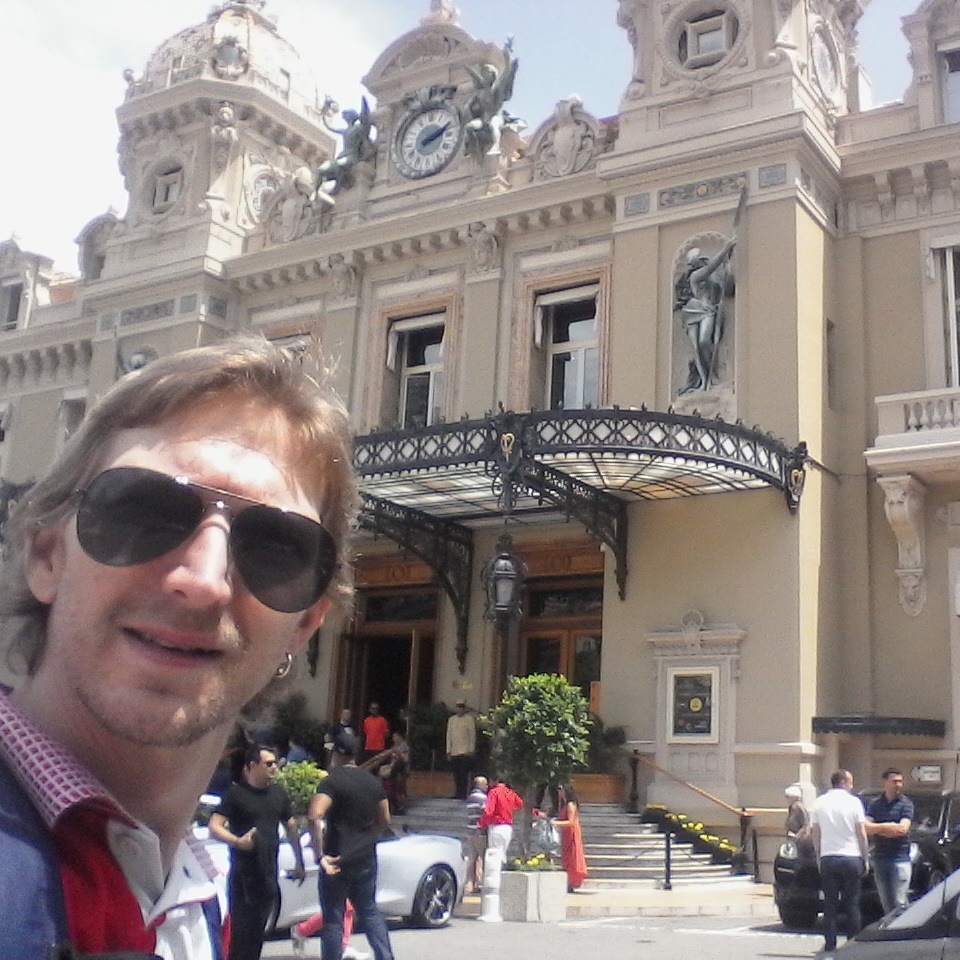
If there’s one casino building that needs no introduction, it’s the Casino de Monte-Carlo.
Perched in the heart of Monaco with views that feel almost unreasonably glamorous, this 1863 Charles Garnier masterpiece is the blueprint every other casino has spent the last 150 years trying to imitate.
The Belle Époque architecture is genuinely breathtaking. Ornate stonework, soaring atrium ceilings, and a sense of occasion hits you the moment you walk through the doors. The building has appeared in more films than most actors, yet nothing quite prepares you for seeing it in person.
The surrounding gardens and the square out front are free to explore, but stepping inside the gaming rooms is where the real magic lives. It is a world away from the digital convenience we are used to today. While you might load up a game of European roulette on a site like NetBet while lounging on the sofa in your pyjamas, Monte Carlo demands a dinner jacket and a healthy respect for tradition. Dress accordingly. They mean it.
The Casino That Inspired a Novel
Germany isn’t the first country that comes to mind in a casino-related conversation, but it absolutely should be. The Kurhaus Casino in Baden-Baden, a spa town nestled into the Black Forest, is regularly cited as one of the most beautiful casinos in the world, and it’s genuinely difficult to argue otherwise.
Marlene Dietrich once called it the most beautiful casino in the world. Fyodor Dostoevsky famously lost his shirt here and then went home and wrote The Gambler about it. That story alone tells you everything about the kind of atmosphere this place generates.
The building dates to 1824, and its interiors are modelled on the Palace of Versailles. The Florentine Room and the Pompadour Room are extraordinary spaces, dripping with red velvet, gilded ceilings, and the kind of interiors that make you feel like you’ve accidentally walked into the 19th century. Casino tourism doesn’t get much richer than this.
Venice, Cards and Centuries of History
The Casino di Venezia holds a genuinely remarkable claim: it is the oldest casino in the world, having opened in 1638. It sits inside the Ca’ Vendramin Calergi palace right on the Grand Canal, a Renaissance building so beautiful that Wagner chose to spend his final days living there.
He died in the building in 1883, and a small museum dedicated to him still exists on site.
Arriving by water taxi, as the palace lights shimmer off the canal, is the kind of arrival that no modern resort can replicate. The gaming rooms occupy a historic palace that has seen more centuries of drama than most countries. Walking through it feels less like visiting a casino and more like walking through a living piece of Venetian history.
Sintra’s Hidden Gem
Portugal’s Casino Estoril tends to get overlooked in favour of the more famous European names, which is a genuine shame because the story behind it is extraordinary.
Located just outside Lisbon on the glamorous Estoril Coast, this vast Art Deco complex was one of the largest casinos in the world when it opened, and during World War Two it became a notorious gathering place for spies, exiles, and intelligence operatives from every side of the conflict.
Ian Fleming visited during the war while working as a British Naval Intelligence officer. The casino and its atmosphere fed directly into the creation of James Bond. The original Casino Royale was essentially Casino Estoril in disguise. Walking around the building today, knowing that history hums beneath the surface, gives it a quality that goes well beyond the gaming floor.
Prague’s Elegant Surprise
Casino Palais Savarin in Prague often catches visitors off guard.
The Czech capital draws travellers for its Gothic towers and Baroque streets, but tucked into the heart of the city is a beautifully restored neoclassical palace that has been operating as a casino for decades.
The building itself dates to the late 18th century and retains much of its original grandeur. High ceilings, elegant archways, and a location steps from Wenceslas Square make it one of the more atmospheric places to spend an evening in Central Europe.
Prague’s casino scene is quieter than Monaco or Baden-Baden, but Palais Savarin carries an intimacy and charm that the bigger venues can’t always match.
More Than Just a Game
What connects all of these places is something that goes beyond the roulette wheel or the card tables. Each one was built at a moment when gambling was a social institution, a place where Europe’s aristocracy and creative class gathered to see and be seen.
The architecture was never accidental. It was designed to impress, to seduce, and to signal that something genuinely special was happening inside.
Visiting them today, that feeling hasn’t gone anywhere. Europe’s great casino buildings are as much cultural landmarks as any cathedral or palace, and they reward curious travellers in the same way. Go for the architecture. Stay for the atmosphere. The rest is entirely up to you.